Key takeaways
- Wash on cold and tumble dry low with a few clean tennis balls to break up clumped fill and restore loft.
- Skip fabric softener entirely — it coats fibers with a waxy film that kills wicking performance permanently.
- Use percale or linen sheets over a cooling pad. Sateen and microfiber cancel out most of the airflow you just paid for.
- Rotate the pad end to end every couple of months so compression wear spreads evenly across the fill.
What's inside
I’ve torn apart more mattress pads than I care to admit — seam ripper in one hand, kitchen scale in the other — mostly because I wanted to know why one pad slept like a cave floor in August and another actually felt cool at 3 a.m. The answer is almost never the marketing copy on the box. It’s fiber density, shell weave, and how the quilting channels air. Once you learn to read those three things, the whole category stops being a guessing game.
This guide walks through what actually makes a cooling mattress pad work, how to test one at home before you commit to it, and which trade-offs matter for your specific sleep setup. You’ll learn how to measure your mattress properly, how to tell passive cooling from active cooling, why waterproof layers fight against breathability, and a few maintenance habits that keep a good pad performing past its first summer.
As an Amazon Associate we earn from qualifying purchases.



🛒 Best Price Today on Amazon
Prime members get fast, free shipping on everything above, plus member-only deals. New members get a 30-day free trial — cancel anytime.
Understand The Two Kinds Of Cooling
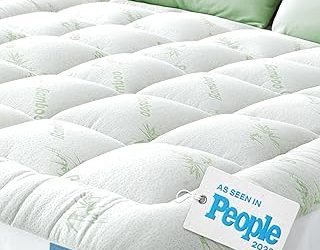
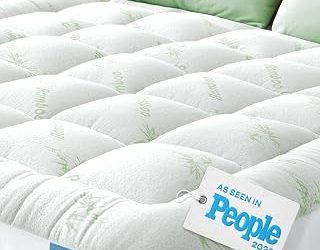
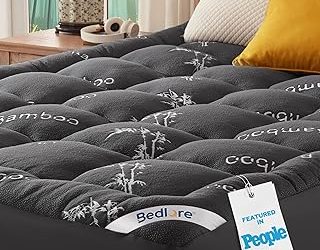
Cooling pads split into two camps, and mixing them up is the most common buying mistake. Passive cooling means the pad moves heat and moisture away from you using breathable fibers and open weaves — think the bamboo-derived rayon shell on the Niagara Sleep Solution topper, which wicks sweat so evaporation does the work. Active cooling uses treated fibers or phase-change material that pulls heat on contact, which is what the Arc-Chill 3.0 surface on the Elegear pad is doing when it feels cold to the touch. Active surfaces give you that immediate chill when you first lie down; passive designs win over a full eight hours because they don’t saturate. If you run hot all night rather than just at bedtime, prioritize breathability over the initial cool-touch sensation.
Measure Your Mattress Before Anything Else
Grab a tape measure and check your mattress from the top seam down to the bottom seam, then add anything else you’re layering under it. A 12-inch mattress with a 2-inch foam topper needs a 14-inch pocket minimum, and skirts stretched to their limit pop off corners within a week. Most quality pads now advertise generous ranges — the OLANLY and the waterproof quilted protector both handle up to 21 inches, and the SLEEP ZONE pad covers an 8 to 21 inch span. Buy toward the middle of the stated range rather than the edge. A skirt with slack left in it holds tension far better than one already maxed out.
Decide Whether You Need Waterproofing
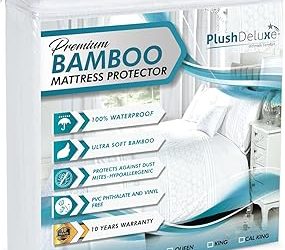
Waterproof backing is a polyurethane film, and film blocks vapor by definition. That’s a real cost to cooling, so only pay it if you need it — kids, pets, incontinence concerns, or a mattress still under a warranty that voids on stains. If you do need it, look for pads engineered around the trade-off rather than pads that simply glued a barrier on. The ELVEN HOME pad pairs its waterproof membrane with a quilted pillow top so the padding sits between you and the film, and the black quilted waterproof protector is specifically built to stay noiseless, which is the other classic complaint with vinyl-backed sheets. If nobody in the bed is a spill risk, skip waterproofing entirely and gain back the airflow.
Read The Fill Like A Maker Would
Down alternative fill is polyester, and polyester traps heat unless the construction gives it somewhere to go. What you want is loft distributed across many small quilted pockets rather than a few large ones, because that geometry creates air channels instead of dense heat pillows. Press your palm into a pad and hold it for thirty seconds — if your hand comes away warm and the compressed spot stays flat, the fill is too dense for hot sleeping. Pads like the SLEEP ZONE and OLANLY use down-alternative fill with tight box quilting specifically to keep loft even. Also check whether the fill is blown in or sheeted; sheeted batting migrates less over years of washing.
Run A Three-Night Home Test
Don’t judge a pad on night one. New pads carry factory finish and compressed fill, so wash and fully dry it first, then sleep on it three consecutive nights with the same bedding and room temperature. Note when you wake up, whether the sheet feels damp, and whether the cool sensation lasted past the first twenty minutes. Most return windows run 30 days, which is plenty of runway for an honest trial.
Tips
- Wash on cold and tumble dry low with a few clean tennis balls to break up clumped fill and restore loft.
- Skip fabric softener entirely — it coats fibers with a waxy film that kills wicking performance permanently.
- Use percale or linen sheets over a cooling pad. Sateen and microfiber cancel out most of the airflow you just paid for.
- Rotate the pad end to end every couple of months so compression wear spreads evenly across the fill.
Frequently Asked Questions
Will a cooling pad fix an overheating memory foam mattress?
It helps considerably but won’t eliminate the issue. A breathable pad puts a ventilated buffer between you and the foam, so less body heat reaches the layer that stores it. Expect meaningful improvement, not a transformation.
How long do phase-change cooling surfaces keep working?
The PCM itself doesn’t wear out, but the fabric it’s bonded to does. Gentle cold washes and low-heat drying typically keep the effect strong for two to three years of regular use.
Can I stack a cooling pad on top of a foam topper?
Yes, and it’s often the better arrangement — the foam handles contour, the pad handles temperature. Just confirm your pocket depth accounts for both layers combined.
Is a pad or a topper the right choice?
Pads are thinner and fitted, aimed at surface temperature and light cushioning. Toppers are thicker and change how the bed feels. If your complaint is heat rather than firmness, a pad is the right tool.
Conclusion
The best cooling mattress pad for you comes down to an honest answer about how you sleep: chase a cool-touch active surface if you struggle to fall asleep warm, or go with a breathable wicking build if you wake up damp at dawn. Measure your mattress carefully, only buy waterproofing you genuinely need, and give whatever you choose three proper nights before deciding. Get those basics right and a modest pad will outperform an expensive one bought on the strength of its packaging.