Key takeaways
- Side sleepers: Choose pressure relief around the shoulder and hip, usually with a softer-to-medium comfort feel. Too-firm foam can create numbness or an ache along the outside of the hip.
- Back sleepers: Look for even lumbar support and a surface that does not allow the pelvis to sink excessively. Medium to medium-firm mattresses are often a sensible starting point.
- Stomach sleepers: A firmer, more buoyant mattress helps keep the midsection from dipping. Use a modest head elevation rather than an extreme angle if it strains your neck.
- Couples: Prioritize motion isolation, edge support, and independent adjustment. Two separate mattresses or a split king can prevent one person’s movement from disturbing the other.
What's inside
An adjustable bed can transform how you sleep, read, recover, or manage snoring—but only if the mattress can move with the base. A mattress that is too rigid may resist the lift, while one with weak edge support or poor temperature control can make the upgrade feel disappointing. The best choice is not simply the softest or thickest mattress; it is a flexible, supportive model that matches your sleeping position and the way you use the bed.
This guide takes a hands-on buying approach. You’ll learn which mattress materials work best, how to check compatibility, when a split design is worth the extra money, and which practical details matter after delivery. The recommendations include complete adjustable-bed sets as well as mattresses that can be paired with a compatible base.
As an Amazon Associate we earn from qualifying purchases.


🛒 Best Price Today on Amazon
Prime members get fast, free shipping on everything above, plus member-only deals. New members get a 30-day free trial — cancel anytime.
Our Recommended Picks
Start With the Mattress Construction
For most adjustable beds, all-foam and hybrid mattresses are the safest starting points. Memory foam bends readily as the head and foot sections rise, and it cushions shoulders, hips, and lower backs without creating much resistance. Look for foam with enough resilience that you can change position without feeling trapped. A medium-firm feel is a useful middle ground for couples and combination sleepers, although side sleepers may prefer a softer comfort layer.
Hybrids add pocketed coils beneath foam. Individually wrapped coils can provide stronger support, easier movement, and better airflow than a deep all-foam mattress. They also tend to feel more familiar to people who like a little bounce. However, not every hybrid is suitable for an adjustable base. The coil unit must be designed to flex rather than behave like a rigid innerspring assembly. The Mielmoon 10 Inch Split Queen Hybrid and the American Made 11-inch Liberty Hybrid are examples of hybrid-style options to investigate when you want both contouring and spring support.
Match Firmness to Your Sleep Position
- Side sleepers: Choose pressure relief around the shoulder and hip, usually with a softer-to-medium comfort feel. Too-firm foam can create numbness or an ache along the outside of the hip.
- Back sleepers: Look for even lumbar support and a surface that does not allow the pelvis to sink excessively. Medium to medium-firm mattresses are often a sensible starting point.
- Stomach sleepers: A firmer, more buoyant mattress helps keep the midsection from dipping. Use a modest head elevation rather than an extreme angle if it strains your neck.
- Couples: Prioritize motion isolation, edge support, and independent adjustment. Two separate mattresses or a split king can prevent one person’s movement from disturbing the other.
Check Size, Split Design, and Base Compatibility
Before ordering, measure the base and confirm the mattress dimensions—not just the marketing name. A split king normally uses two Twin XL mattresses, while a split queen arrangement may use two narrower pieces. The split format lets each sleeper raise their side independently, but it can create a center seam that some couples notice. A single king mattress offers a smoother sleeping surface, yet both sides must move together.
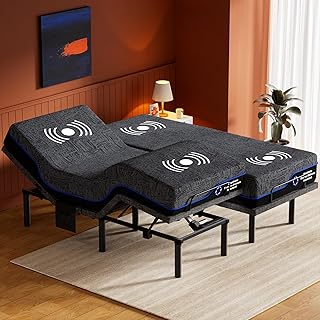
Also verify the manufacturer’s weight limits, recommended mattress thickness, and warranty language. Most adjustable bases are intended for mattresses that can bend without permanent damage; unusually thick, rigid, or reinforced models may not work well. Complete packages such as the Amada Split King Adjustable Bed Set, the EGOHOME Split King Set, and the Split King Base with Cooling Copper Foam can simplify matching because the base and mattress are sold as a system. Even then, check the included dimensions and return policy before buying.
Think About Heat, Odor, and Delivery
Memory foam can retain body heat, especially in a thick mattress or a warm bedroom. Cooling gel, graphite, copper-infused foam, breathable covers, and coil ventilation may improve the feel, but no material guarantees a genuinely cool night. Your sheets, room temperature, pajamas, and body heat matter just as much. If you sleep warm, favor breathable bedding and avoid surrounding the mattress with impermeable protectors.
Bed-in-a-box mattresses are convenient for stairs and tight hallways, but allow time for expansion and airing out. Follow the maker’s instructions rather than forcing the base to move while the mattress is still compressed. A fiberglass-free construction may also be an important shopping filter, particularly if the mattress cover is ever removed. The Sleepmax 14-inch Queen Hybrid specifically lists fiberglass-free construction, while several of the complete sets emphasize similar material details—still, confirm the current specification on the product page.
Choose Features You’ll Actually Use
An adjustable base with head and foot elevation can help with reading, leg comfort, or a zero-gravity position. Massage motors, USB ports, wireless remotes, under-bed lighting, and anti-snore presets are useful extras, but they should not outweigh mattress comfort and reliable construction. Try the controls before permanently positioning the bed, and leave enough clearance around the frame for moving sections and cables.
A mattress trial is especially valuable because showroom impressions are brief. Check whether the trial requires a minimum break-in period, how pickup works for a return, and whether the adjustable base is covered by a separate warranty. Keep the packaging and order details until you are certain the setup works in your room.
Tips
- Measure doorways, stair turns, and the final bedroom location before ordering a boxed mattress or split base.
- Use the mattress manufacturer’s recommended foundation settings; never place an adjustable mattress on a rigid platform unless approved.
- Let a compressed mattress fully expand before judging firmness, and rotate it only if the instructions allow it.
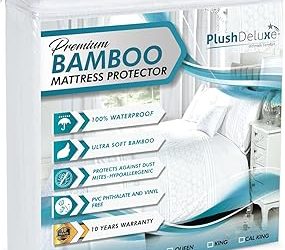
- Use a thin, flexible protector so it does not restrict bending or cancel the mattress warranty.
Frequently Asked Questions
Can any mattress be used on an adjustable bed?
No. Flexible foam and many pocket-coil hybrids are commonly suitable, but rigid traditional innersprings, extremely firm designs, and mattresses with unusually strong perimeter reinforcement may not articulate correctly. Confirm compatibility with both the mattress and base manufacturer.
Is memory foam or a hybrid better for an adjustable base?
Neither is universally better. Memory foam usually bends smoothly and isolates movement well. A compatible hybrid can feel cooler, more responsive, and more supportive at the edges. Your preferred feel and sleeping position should decide the construction.
Do I need a split king mattress?
Choose a split king if two sleepers want independent head or foot positions. It is also easier to carry into the room. Choose a one-piece king if you want an uninterrupted surface and both sleepers will use similar settings.
How thick should an adjustable-bed mattress be?
There is no single ideal thickness, but many compatible options fall around 10 to 14 inches. A thicker mattress can add cushioning, while a thinner one may flex more easily. Follow the base’s stated thickness range and consider the total height with legs and bedding.
Conclusion
The best mattress for an adjustable bed is flexible enough to articulate, supportive enough for your sleeping position, and compatible with the exact base size and weight limits. Start with construction and firmness, then compare split layouts, cooling features, trial terms, and practical delivery details. A well-matched mattress-base combination—rather than the longest feature list—will make the adjustment genuinely worthwhile.