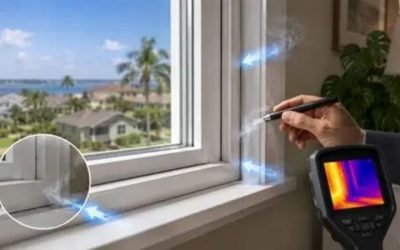
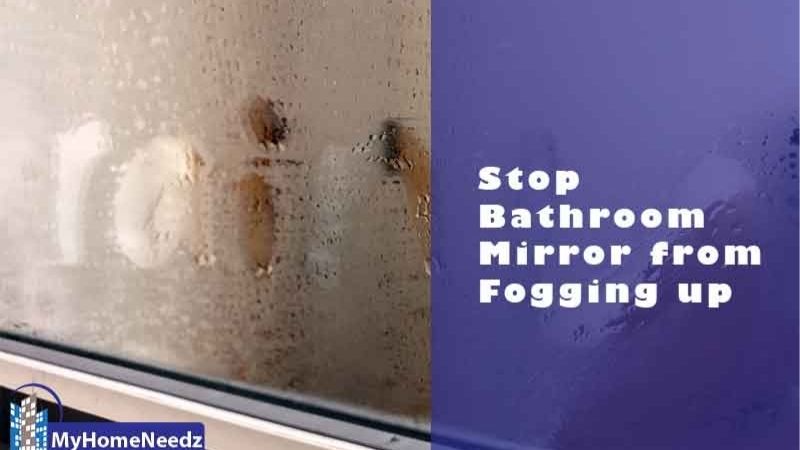
A bathroom mirror fogs when water vapor from a hot shower reaches glass that is cooler than the damp air. Learning how to stop bathroom mirror fogging begins with getting steam outdoors, not simply wiping away droplets. Start with the exhaust fan and a dry, clean mirror. If those changes are not enough, a compatible anti-fog coating or an electrically heated mirror can keep the viewing area clearer.
Quick Answer: Turn on an exhaust fan before showering, leave it running afterward, and provide a path for replacement air. Clean the glass, then use a mirror-approved anti-fog treatment only if needed. A fixed defogger is an upgrade for persistent fog, not a substitute for ventilation.
As an Amazon Associate we earn from qualifying purchases.
By DIY Ideas 4 Home Editorial Team
Before You Start: Tools, Materials and Safety
The first test needs almost no equipment. The Home Ventilating Institute recommends a bathroom fan rated for at least 50 cubic feet per minute (CFM) when used intermittently, with roughly 1 CFM per square foot as a basic sizing reference for many bathrooms. That is a design starting point, not proof that an old fan and duct are actually moving that much air.
| Tool or Material | Size or Spec | Why You Need It | Substitute |
|---|---|---|---|
| Soft microfiber cloth | Clean, lint-free | Dry glass without rough scrubbing | Soft cotton cloth approved for mirrors |
| Mirror-safe glass cleaner | Follow mirror maker’s care instructions | Remove soap film and fingerprints before treatment | Plain water on a suitable cloth |
| Bathroom exhaust fan | Outdoor-ducted; size to room and duct | Carry humid air outside | Openable window when weather and security permit |
| Humidity meter | Reads relative humidity | Compare room conditions before and after showers | Visual check for lingering wet surfaces |
| Mirror-approved anti-fog product | Check coating and surface compatibility | Reduce visible fog on the glass | No treatment until ventilation is corrected |
Understand What Makes a Mirror Fog
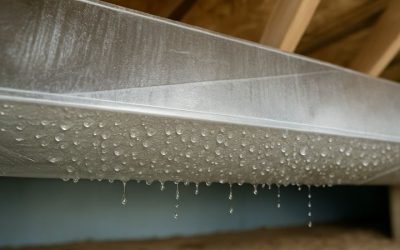
The U.S. Environmental Protection Agency explains that condensation occurs when humid air meets a colder surface. During a shower, the mirror can temporarily be below the dew point of the surrounding air even if the bathroom otherwise feels warm. Small droplets scatter light, making the reflection cloudy. The mirror is reacting to the room’s conditions; fog by itself does not mean the glass is defective.
Heating the glass slightly or lowering the amount of moisture in the air tackles that physical process. Coatings take another approach by changing how moisture appears on the surface. These remedies do not all do the same job: a treated mirror can look clear while the ceiling, grout, and walls are still exposed to excess humidity.
Check the Exhaust Path Before Buying Anything
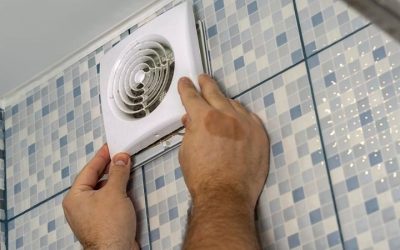
Switch on the fan and check whether its grille is clogged or the air feels stagnant after bathing. The EPA’s guidance on indoor environmental concerns during remodeling says bathroom exhaust should discharge outdoors, not into an attic or other enclosed space. A fan that only blows moist air into the attic can move condensation to a more damaging location without solving the source problem.
If the fan has a removable grille, turn it off and follow the manufacturer’s cleaning instructions before touching it. Do not open electrical compartments, alter duct wiring, or reach into a running fan. A humming motor does not guarantee adequate airflow; duct restrictions, a stuck exterior flap, or poor makeup air can all limit performance.
Know When a Mirror Needs Professional Work
A rented apartment, a cracked or delaminating mirror, or a vanity mirror with an unknown coating calls for a conservative approach. Avoid abrasive pastes and chemical experiments on specialty surfaces. For a wired heating pad, consult the mirror manufacturer’s compatibility instructions and have a licensed electrician handle the bathroom electrical connection with the required protection.
How to Stop Bathroom Mirror Fogging Step by Step
Make one change at a time over several comparable showers so you can tell what helped. The Home Ventilating Institute’s bathroom ventilation guidance recommends continuing fan operation for at least 20 minutes after use. Where the bathroom is unusually steamy or has a long duct, the useful run time may be longer; the test is whether damp air and wet surfaces actually clear.
Step 1: Turn on Ventilation Before the Shower
Start the exhaust fan before running hot water. This gives the fan a chance to establish airflow while the room is still relatively dry, rather than waiting until the mirror is already clouded. Keep it operating throughout the shower. If the room has an operable window and outdoor air is suitable, a little extra ventilation can help, but it should not replace a functioning outdoor-ducted fan where one is required.
Watch what happens to the mirror, the ceiling, and the upper corners of the room. A light haze that appears near the end of a hot shower may be normal even with ventilation, especially when the mirror starts out cold. Dense fog that persists long afterward suggests the moisture is leaving too slowly. Do not judge the system only by how loud the fan sounds.
Step 2: Let Fresh Air Replace Exhausted Air
The fan needs replacement air to pull damp air outdoors. The Home Ventilating Institute’s sizing guidance calls for at least 3/4 inch of clearance beneath a bathroom door to admit air in a typical exhaust arrangement. If the door seals tightly to the floor, you may notice better moisture removal with the door slightly ajar after showering, provided privacy and household conditions permit.
Do not permanently cut or modify a fire-rated door to meet a rule of thumb. Instead, ask a qualified installer how the ventilation system should obtain makeup air. If a fan slows or strains when the bathroom door is closed, report that observation along with the room size and existing duct layout. This diagnosis is more useful than buying a larger fan without understanding where its airflow will come from.
Step 3: Give the Fan Enough Time to Dry the Room
Leave the exhaust running after turning off the water. HVI recommends 20 minutes after bathroom use and notes that a timer makes the habit more reliable. ENERGY STAR likewise advises keeping bath fans on for 20 minutes after bathing to reduce condensation on interior glass. Treat that interval as an initial setting rather than an assurance that every bathroom will dry on schedule.
Check the mirror’s edges and the adjacent painted wall near the end of the timer period. They should be losing visible moisture rather than collecting new droplets. If you have a humidity meter, take readings before the shower and after the fan has run, using the same location away from the direct shower spray. A steep reading during bathing is expected; a prolonged elevated reading points to inadequate removal.
Step 4: Clean the Mirror and Check Fan Performance
Once the room is dry, wipe the mirror with a clean microfiber cloth and a cleaner approved for that particular mirror. Soap spray, toothpaste residue, and old cleaning films can leave streaks that look worse when water collects. Use a separate dry cloth for a final pass and avoid soaking the mirror’s edges, where moisture can reach the reflective backing on some constructions.
Next, inspect the fan grille for dust and verify that the outdoor vent flap opens when the fan runs. The Broan-NuTone AE110 product page lists 110 CFM and a 1.0-sone rating, illustrating why a modern fan may be quieter while moving more air than an older unit. Those are published model specifications, not a claim that any fan will deliver the advertised airflow through a restricted duct.
Step 5: Test a Shorter or Cooler Shower
For one shower, reduce the hot-water temperature slightly within a comfortable range and shorten the time the water runs. You are testing how much steam the room must handle, not setting a mandatory bathing temperature. A lower moisture load can keep the glass below the condensation threshold for less time, particularly in a compact bathroom where the mirror sits directly across from the shower.
Compare the result with your usual routine while keeping the fan settings unchanged. If the difference is substantial, the exhaust may be adequate for moderate moisture but not your longest, hottest showers. You can then decide whether changing the routine is acceptable or whether improving the fan and duct is worth the effort. Avoid raising your home’s heating thermostat solely to warm one mirror; the energy cost and comfort effect extend well beyond the bathroom.
Step 6: Apply a Mirror-Safe Anti-Fog Coating
If the room dries properly but the mirror briefly clouds during a shower, try a product explicitly intended for glass and mirrors. Rain-X’s Interior Glass Anti-Fog product page identifies item AF21106D as a 3.5-ounce treatment and says to put a small amount on a cloth, wipe one section at a time, and finish with the dry side. Follow the current label and test an unobtrusive spot when the mirror manufacturer permits it.
Use the product in a ventilated area and keep it away from children and eyes. Rain-X publishes a California Proposition 65 chemical warning for this formulation, so read the label and safety information before use. Do not assume automotive rain repellents, shaving cream, dish soap, or abrasive polishing powders are suitable substitutes: they can create streaks, leave residue, or conflict with a mirror’s special surface coating.
Step 7: Consider Heating the Mirror Surface
For a bathroom remodel or a persistent need for a clear vanity mirror, a dedicated defogger mounted behind a compatible wall-hung mirror is another approach. WarmlyYours’ product page for the ClearlyYou FFM-2432 lists a 24-by-32-inch self-adhesive pad rated at 82 watts for connection to a 120-volt lighting circuit. It gently warms the glass in the covered area so shower moisture is less likely to form visible droplets there.
The company notes that the warmed area does not necessarily extend across the entire mirror, so match pad dimensions to the viewing area you want clear. Mirror construction, cabinet doors, adhesive locations, and mounting clearances may rule out a retrofit. WarmlyYours’ installation guidance calls for an electrician to connect the leads, and its technical support guidance specifies ground-fault circuit-interrupter protection in North America.
Products That Help
The Broan-NuTone AE110 is a ceiling ventilation fan with manufacturer-listed 110 CFM airflow and a 1.0-sone sound rating; it makes sense when an installer confirms the existing duct and room need a fan replacement. Rain-X Interior Glass Anti-Fog AF21106D is a 3.5-ounce wipe-on glass treatment for homeowners who already have working ventilation but want less temporary mirror haze. Check the mirror’s finish and the product warning first.
The WarmlyYours ClearlyYou FFM-2432 is an 82-watt, 24-by-32-inch mirror-heating pad for a fixed, compatible mirror, rather than a surface spray or a whole-room dehumidifier. Consider it when replacing or remounting a vanity mirror is already part of the project. As of October 2026, check current product availability, installation dimensions, and electrical instructions before choosing any of these upgrades.
Common Mistakes to Avoid
Wiping the mirror repeatedly during an active shower only clears it temporarily, because the glass is still encountering humid air. Closing off every path for replacement air can also weaken an exhaust fan. Neither mistake is solved by buying a more expensive surface coating; first confirm the air can enter the room and exit outdoors.
Avoid pointing a portable space heater at the mirror or using a hair dryer near wet bathroom fixtures. These are not substitutes for properly installed bathroom-rated equipment. Likewise, never tape an improvised heating element behind a mirror. If the room stays wet despite correct fan use, have the duct termination and airflow checked instead of layering multiple fixes on the glass.
Frequently Asked Questions
Mirror fog is affected by where the glass sits, what its surface is made of, and how quickly moisture moves through the bathroom. These questions cover unusual situations that are not always solved by the standard fan routine.
Why Does One Bathroom Mirror Fog More Than Another?
A mirror closer to a shower, a cold outside wall, or a supply-air draft may stay cooler than one across the room. Even mirrors in the same bathroom can have different surface temperatures and receive different amounts of moist air. The EPA describes this temperature-and-humidity interaction in its indoor air-quality guidance on condensation.
Can Anti-Fog Spray Be Used on an LED Bathroom Mirror?
Only if both the mirror maker and the coating maker permit that particular surface treatment. An LED mirror may have factory-applied finishes, touch controls, exposed seams, or integrated heating that should not be soaked with a spray. A product marked safe for ordinary glass does not automatically make it suitable for every illuminated mirror.
Turn the mirror off and follow its cleaning manual. Apply an approved product to the cloth rather than directly toward electrical edges, if its instructions allow this method. If the documentation is silent on chemical coatings, skip the spray and improve ventilation instead. Never let liquid run behind the glass or into a wall-mounted control.
Will a Bathroom Dehumidifier Stop Fogging During a Shower?
Not necessarily. A portable dehumidifier may help with lingering dampness in a poorly conditioned room, but a nearby shower releases moisture rapidly and can fog a cold mirror before the machine reduces the room’s humidity. It also introduces an electrical appliance into a wet environment, where its placement must follow the manufacturer’s instructions.
Does a Fog-Free Mirror Mean the Bathroom Is Dry?
No. A heated or treated reflective surface can remain clear while the ceiling, painted walls, towels, and grout are still damp. In fact, an effective mirror treatment can hide the most obvious visual signal of a ventilation problem. Inspect other surfaces after the shower and look for recurring moisture that lasts well beyond the fan’s run period.
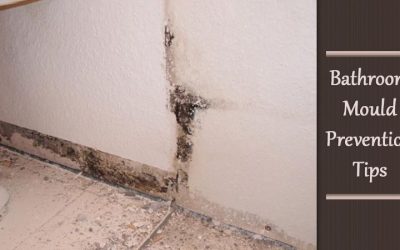
Pay particular attention to a fan grille that drips, peeling paint near the ceiling, or a musty smell that returns after the room appears clear. These signs justify checking the moisture source rather than adding another anti-fog product. Our guide to preventing bathroom mold covers the room-wide prevention routine in more depth.
Final Thoughts
The right way to finish a plan for how to stop bathroom mirror fogging is to test the room on a colder morning, when a chilly mirror makes condensation more likely than it was on a warm afternoon. If the exhaust clears the surrounding surfaces but the reflection still clouds briefly, a glass-compatible treatment is a reasonable small purchase; choose a wired defogger only when the mirror and electrical installation support it. If moisture persists elsewhere, spend the next dollar diagnosing the fan and duct rather than polishing the glass again.