
Our Top Picks
 Tiawudi 12 Pack Plastic Storage Bins10.5" x 7.2" x 4.5" (4.2L)10.5 x 7.2 x 4.5 Inches8.9 poundsCheck on Amazon
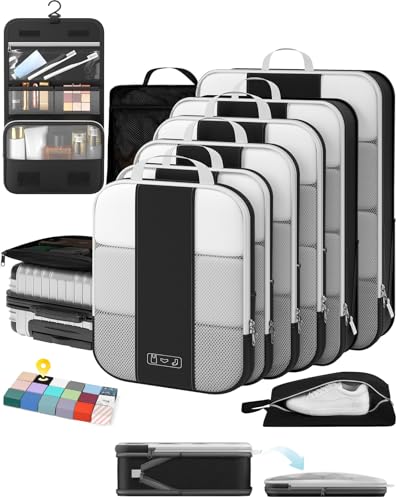 OlarHike 10 Set Compression Packing Cubes for Travel10 set11.02 x 6.89 x 4.3 inches1.89 poundsCheck on Amazon

The best home organization products are the ones sized to your space and matched to what you actually own. Declutter first, measure second and buy last. A few well-chosen drawer dividers, bins, risers and hooks will do more than a cart full of random containers, and the same logic carries over to packing for trips and camping.
Table of Contents
- Declutter Before You Buy
- Organization Product Types
- Materials and What They Suit
- Measuring and Sizing
- Best Products by Room
- Organizing for Trips and Camping
- Who Should Choose What
- Making Systems Stick
- Safety and Care
- Common Mistakes
- Buying Checklist
- FAQ
- Conclusion
Declutter Before You Buy
A container can hide clutter instead of solving it. If a drawer overflows because it contains three can openers and forty expired takeout menus, dividers will only make it a neater pile of things you do not need. Start with the contents, not the containers.
Work one area at a time, such as one drawer, one shelf or one cabinet. Take everything out and sort into four groups: keep here, keep elsewhere, donate or sell, and discard. Wipe the empty space. Then group what remains by function, with all baking tools together, all chargers together and all cleaning supplies together.
Only now do you know what you need. Count the groups and note their approximate size. Five small categories fit in a divided tray; one bulky category needs a deep bin. That count is your shopping list, and it often turns out to be much shorter than you expected. Some people discover they need nothing more than labels.
Organization Product Types
| Product | Best for | Look for | Limitation |
|---|---|---|---|
| Drawer dividers | Kitchen, desk, bathroom | Adjustable or modular sizes | Fixed trays waste space if drawers differ |
| Clear bins | Pantry, garage, closets | Stackable, latching lids | Cheap lids may crack or bow |
| Shelf risers | Cabinets, pantry | Stable base, non-slip feet | Reduce overhead clearance |
| Over-the-door hooks and racks | Bedrooms, bathrooms, laundry | Fit for your door thickness | May prevent the door from closing |
| Turntables | Under-sink, fridge, cabinets | Raised edge, smooth rotation | Waste corner space on narrow shelves |
| Wall hooks and pegboard | Entry, garage, craft area | Weight ratings, mounting type | Need proper anchors for heavy loads |
| Labels | Everywhere | Removable, easy to read | Only work if consistently used |
Containers that sit inside things
Drawer dividers, trays and small bins organize the inside of existing furniture. They are the cheapest and least disruptive category, and they suit any room. Adjustable dividers that expand to fit a drawer are more forgiving than rigid trays, unless you have measured exactly.
Products that add vertical space
Shelf risers, stackable bins, hanging organizers and tiered racks add layers where there was only one level. They are useful in kitchen cabinets, pantries and closets where the height between shelves is wasted. Always measure the vertical gap and the depth before buying.
Products that use walls and doors
Hooks, rails, pegboards and over-the-door racks take storage off shelves and floors. They are especially useful for items used daily, such as coats, bags, cleaning tools and hobby gear. Their strength depends on how they are mounted, so look at the stated weight rating and the installation method.
Rotating and sliding products
Turntables, pull-out baskets and sliding racks reduce reaching and rummaging in deep spaces. They are valuable under sinks and in tall cabinets, where items disappear in the back.
Materials and What They Suit
| Material | Strengths | Weaknesses | Best places |
|---|---|---|---|
| Clear plastic | Visible contents, wipeable, stackable | Can crack, may yellow | Pantry, garage, craft rooms |
| Fabric | Soft look, lightweight, collapsible | Harder to clean, can sag | Closets, bedrooms, kids’ rooms |
| Wire | Airy, sturdy, inexpensive | Small items can slip or tip | Pantry, laundry, garage |
| Wood or bamboo | Attractive, solid | Heavier, can warp when damp | Drawers, entry, living spaces |
| Metal | Strong, durable | Can rust, scratch surfaces | Garage, utility, wall systems |
| Woven baskets | Decorative, easy to grab | Hard to wipe, opaque | Living room, bathrooms, shelves |
The right material depends on the room. In a kitchen or bathroom, wipeable plastic or sealed wood tends to hold up better than fabric because spills and humidity are routine. In a bedroom, fabric and baskets soften the look. In a garage, strong plastic, wire and metal handle weight and temperature swings.
Measuring and Sizing
Product listings give outer dimensions, but you need inner dimensions of the space. Measure width, depth and height with a tape measure and write them down. For drawers, measure the inside bottom, not the front, because slides and trim reduce the usable area. For cabinets, measure between shelves and note the door hinge intrusion. For doors, measure thickness and the gap between door and frame, since hooks that are too thick will prevent the door from closing.
When choosing bins, consider how they will be accessed. A bin on a high shelf should be light and have a handle, while one on a low shelf can be heavier. A bin that is almost as deep as the shelf is easiest to use; a bin that is much shallower leaves wasted space behind it. Leave a bit of finger room around containers so you can lift them out.
It helps to test sizes with cardboard or painter’s tape before buying. Outline the bin footprint on the shelf and make sure it fits around obstacles. If you plan to stack, check that the top bin’s footprint matches the one below, and that the stack will not exceed the cabinet’s height.
Best Products by Room
Entryway
Wall hooks at adult and child heights, a boot tray, a small bin for hats and gloves, and a basket for mail keep daily items from spreading. A bench with storage is helpful if space allows. Keep only current-season items at the door and move the rest to a closet.
Kitchen
Drawer dividers for utensils, shelf risers for plates and bowls, turntables for oils and condiments, and clear canisters for dry goods make cabinets easier to use. For the pantry, use bins by category, such as snacks, baking and breakfast, and put the heaviest items at the lowest level. Keep food containers closed to protect against pests and staleness.
Bathroom
Under-sink bins and a turntable stop bottles from sliding to the back. Small trays inside drawers separate daily items from backups. Choose water-resistant materials and allow for airflow. Replace anything that becomes moldy.
Bedroom and closet
Matching slim hangers, shelf dividers, stackable bins and under-bed boxes with wheels or handles give structure. Reserve under-bed space for off-season bedding or shoes rather than random items, and keep the boxes shallow enough to slide out easily.
Laundry room
An over-the-door rack for the iron and board, shelves for detergents, a hamper that sorts and a hook rail for drying items work well. Keep cleaning chemicals tightly closed, out of reach of children and pets, and never store them near heat sources.
Garage and utility
Wall tracks and hooks keep tools and bikes off the floor, and heavy-duty shelving with sealed bins protects against dust and moisture. Label bins clearly. Store paints, fuels and chemicals according to their label instructions, away from living areas and ignition sources.
Home office and kids’ spaces
Desk drawer trays, cable boxes, vertical file holders and wall pegboards help. For children, low open bins with picture labels let them put things away on their own.
Organizing for Trips and Camping
The same principles apply on the road. Packing cubes, zip pouches and a hanging toiletry bag compress and separate belongings, so a suitcase or camper storage stays tidy. Group by function: one cube for tops, one for bottoms, one for underwear and socks, and a pouch for chargers and adapters.
| Travel product | Best for | Notes |
|---|---|---|
| Packing cubes | Suitcases, duffels, backpacks | Match cube size to bag; do not overstuff zippers |
| Zip pouches | Cables, toiletries, documents | Clear panels help you find items fast |
| Hanging toiletry bag | Hotels, camper bathrooms | Check the hook is sturdy and the bag is leak-resistant |
| Stackable bins with lids | Vehicle trunks, camper cabinets | Measure the space; lids should latch securely |
| Hooks and mesh pockets | Tents, vehicle interiors | Keep loads light and secure so nothing falls on anyone |
| Dry bags | Wet gear, boats, rainy hikes | Roll the closure fully and keep sharp objects out |
Measure your luggage, trunk or storage compartment before choosing containers. In vehicles, make sure heavy items are secured at the floor level and do not obstruct the driver’s view or safety equipment. In a tent or camper, keep food sealed and stored according to local guidance to avoid attracting wildlife, and keep flammable items such as fuel away from sleeping areas and heat sources.
Who Should Choose What
Small apartment dwellers
Prioritize vertical solutions such as shelf risers, over-the-door racks and wall hooks. Items that serve two purposes, such as a storage ottoman, save floor space.
Families with children
Choose durable, easy-to-clean bins at child height and use picture labels. Keep a basket in the main living area for daily clutter that gets reset each evening.
Renters
Choose adhesive-free options, tension rods, over-the-door products and freestanding units. Check what any adhesive hooks are rated for and test them on an inconspicuous spot.
Busy professionals
Go for simple systems with few categories. Large open bins for quick drop-off and easy resets are more sustainable than elaborate sorting.
Frequent travelers and campers
Invest in a consistent set of packing cubes and pouches. Keep a pre-packed toiletry kit so that trip preparation is a matter of adding clothes.
Hobbyists and crafters
Use clear, labeled compartments in modular boxes, along with wall pegboards for frequently used tools.
Making Systems Stick
- Give every item a home and label it. If it is not obvious where something goes, it will end up on the counter.
- Put frequently used items at easy reach. Store the things you use daily between knee and shoulder height.
- Make returning things easy. Open bins and hooks are used more consistently than lidded boxes.
- Do a quick reset once a week. Ten minutes restoring each spot to its intended arrangement prevents drift.
- Follow a one-in, one-out rule. When you bring home a new clothing item or kitchen gadget, retire an old one.
- Review each season. Adjust as needs change, and donate what is no longer used.
- Involve the household. A system only one person understands will fail. Show everyone where items go.
Safety and Care
Mount wall-hung products into studs or use anchors rated for the load, and never exceed the weight rating. Keep heavy items low. Do not overload over-the-door racks, which can damage doors and fall. Make sure stacked bins are stable, and avoid stacking so high that a child could pull them over. Secure tall shelving to the wall to prevent tipping.
In kitchens and bathrooms, wash containers regularly with warm soapy water and dry completely to prevent mold. Do not use containers that held chemicals for food storage, and do not decant cleaning products into unlabeled food containers. Keep medicines and hazardous products in secure locations. Check the manufacturer’s care instructions for each material, because heat can warp some plastics and moisture can damage wood.
Common Mistakes
- Buying containers before decluttering. You end up storing things you do not need.
- Ignoring measurements. An organizer that does not fit becomes its own clutter.
- Choosing opaque bins without labels. You forget what is inside and rummage anyway.
- Over-organizing. If a system takes too many steps to maintain, it will be abandoned.
- Buying a matching set for everything. Different spaces call for different sizes and materials.
- Skipping weight ratings. Hooks and racks can fail when overloaded.
- Not leaving room to grow. Fill shelves to about three quarters so there is space for new items.
Buying Checklist
- I decluttered the space and grouped items by category.
- I measured inner dimensions of drawers, shelves and doors.
- I know how much I need to store and what size containers fit.
- I picked materials suited to the room’s moisture and traffic.
- I checked weight ratings for hooks, racks and shelves.
- I will label bins and assign a spot for each category.
- I bought one or two items to try before purchasing a full set.
- I checked return policies.
Product categories that often help include:
As an Amazon Associate we may earn from qualifying purchases made through links on this page, at no extra cost to you.
FAQ
Where should I start organizing my home?
Start with the area that bothers you most or that you use daily, such as the entryway or a kitchen drawer. Small wins build momentum, and a finished drawer is easier to maintain than a half-organized house.
Should I buy organizers before or after decluttering?
After. You cannot choose the right size or quantity until you know what you are keeping. Buying first often leads to returns or storing unnecessary things.
Are clear bins better than opaque ones?
Clear bins make contents visible, which suits pantries, garages and craft supplies. Opaque ones give a tidier look and suit closets and living areas, provided they are labeled.
How do I choose the right size drawer divider?
Measure the interior length, width and depth of the drawer. Adjustable or modular dividers are the most forgiving, and you can trim or expand them if your measurements are slightly off.
What is the most useful product for a small space?
Vertical storage tends to give the most return: shelf risers, stackable bins, wall hooks and over-the-door organizers. Choose based on the items that are currently piled on counters or floors.
How do I keep my family from undoing the system?
Keep it simple, label clearly, place items where they are used and involve everyone in setting it up. A weekly reset and easy-to-use open containers help.
Can I use home organization products for travel or camping?
Yes. Packing cubes, pouches, small bins and hanging bags work in suitcases, vehicles and campers. Measure the space, secure heavy items and keep food and fuel stored safely.
How much should I spend?
Start small. Buy a few items for the biggest trouble spots, see how they work and then expand. Many people find labels, a few dividers and a couple of bins solve most problems.
Conclusion
The best home organization products are practical, correctly sized and matched to the way you live. Begin by sorting and reducing, measure the spaces you want to improve, and choose the type and material that suit each room. Add labels, give every item a home and keep systems simple enough that everyone in the household can follow them. Whether you are tidying a kitchen drawer or packing a camper, the same steps apply: fewer things, the right containers and a routine that makes it easy to put everything back.
More from Amazon
Programs that pair well with the guide above. Offers and eligibility are set by Amazon and may change.
A free business account with business pricing and bulk-buying tools for work, shop or home office.
Create a business accountFree shipping on eligible items, Prime Video and more. Eligible new members can start with a free trial.
Start a Prime free trialAudiobooks and podcasts to listen to on the go. Eligible new members can start with a free trial.
Try Audible freeAd-free music streaming. Eligible new subscribers can start with a free trial.
Try Music Unlimited freeAs an Amazon Associate we earn from qualifying purchases.
