
Our Top Picks

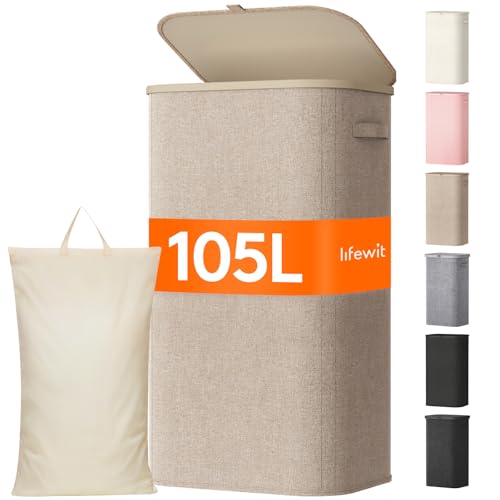

The short answer: the best laundry hampers are the ones that match how your household produces dirty clothes and how you carry them to the machine. A single-person home usually does well with one lidded or breathable container. A busy family tends to need a sorting model or several separate bins. Small bedrooms and shared flats often suit a slim, collapsible or door-mounted design. Material, ventilation, handle quality and size matter far more than style, though a hamper that looks good in the room is one people actually use.
Rather than ranking products, this guide explains the main designs, how to size a hamper to your wash routine, what to look for in fabric and frame, and which mistakes lead to a hamper that sits half-used in a corner. Use it to narrow your options, then check each current listing against your own space and habits.
Contents
- Why the hamper you choose changes laundry day
- Sizing a hamper to your wash routine
- The main types of laundry hamper
- Quick comparison table
- Materials, frames and liners
- Lids, airflow and odor
- Sorting systems that people really keep up
- Hampers for small spaces and shared homes
- Buyer checklist
- Mistakes to avoid
- Laundry hamper safety
- Frequently asked questions
- Bottom line
Why the Hamper You Choose Changes Laundry Day
A hamper looks like the least important item in a bedroom, yet it quietly shapes a daily habit. If it is awkward to reach, too small, or hard to lift when full, clothes end up on chairs and floors instead. If it is easy to use, dirty laundry has an obvious home and the pile stays contained until wash day.
Think about the whole journey, not just the storage. Clothes go in at one end of the day, wait for some hours or days, and then have to travel to the machine, often down a hallway or a flight of stairs. A good hamper makes each of those steps easy. It is open enough to drop items into, sturdy enough to stay upright, and comfortable enough to carry when full.
It also affects how fresh your room feels. Damp towels and sweaty gym kit sealed inside a tight container can smell stale quickly, while a basket with sensible airflow lets moisture escape. That tension between hiding the mess and letting it breathe comes up again and again when choosing a design, and the sections below return to it.
Sizing a Hamper to Your Wash Routine
Capacity is where most buyers go wrong, usually by choosing something too small. The right size depends on how often you wash, not just on how many people live in the home.
Start from your wash frequency
If you run a load every two days, a modest container is enough because it never fills for long. If you wash once a week, you need room for several days of clothing plus bulky items like towels and bedding. A useful trick is to fill your current basket or pile, then compare it to a full machine drum. A hamper that holds roughly one to two loads gives you a buffer without becoming a monster.
Match the size to the people
Children, teenagers and adults generate very different volumes. Sports kit, school uniforms and bulky winter layers all push demand up. A household with young kids may want a hamper low enough for them to reach, while an adult-only home can use a taller one.
Whatever you choose, measure the intended spot first, including the clearance needed to open any lid or swing out any door. Check current dimensions on the listing before ordering.
The Main Types of Laundry Hamper
Almost every hamper falls into one of a handful of families. Each solves a slightly different problem, and each has trade-offs that are easy to miss in a product photo.
Rigid plastic baskets and bins
The classic open basket is lightweight, easy to wipe clean, and usually inexpensive. Many have cut-out handles and a vented body, which helps air movement. They suit people who carry laundry often and want something that survives rough handling. Their weaknesses are looks and stacking: they take up the same floor space whether empty or full, and an open top shows the pile. Look for reinforced rims, because thin plastic can crack or deform with age and heavy loads.
Collapsible and pop-up hampers
These use a flexible frame or a folding structure with a fabric or mesh body. They fold flat for storage, which makes them popular for dorm rooms, trips and small apartments. They are light to carry and often come with handles on the sides. The compromise is rigidity. When half full they can slump or lean, and cheap frames may lose their shape over time. Check how the fabric attaches and whether the folding mechanism looks strong.
Frame-and-bag hampers
Here a removable fabric bag hangs from or sits inside a stand, often made of metal or wood. The big advantage is that you can lift the bag out and carry it to the machine, or even to a laundromat, while the frame stays put. Many have drawstring tops or lids. Look at stitching around handles and the seams, since the bag takes the load. A bag that clips or ties to the frame is easier to manage than one that simply drops in.
Woven and decorative hampers
Wicker, rattan, seagrass and rope designs lean toward home decor. They hide clutter well, suit bedrooms and bathrooms with a natural look, and usually have a lid. Because they are rigid, they hold their form. Downsides include weight, a rougher interior surface that can snag delicate fabrics, and limited tolerance for dampness. Natural fibers may react to humidity, so consider the room before buying. A fabric lining helps protect clothing.
Multi-compartment sorting hampers
A sorting model splits the container into two, three or more sections, sometimes on wheels or in a single long frame. It moves part of laundry day to the moment you undress: whites here, darks there, delicates in the third. This suits larger families and anyone who dislikes sorting a mountain of clothes later. The limits are footprint and shared capacity. Each compartment is smaller than a single bin of the same overall size, so heavy users of one category can overflow quickly.
Rolling carts and slim hampers
Wheeled hampers and narrow carts are built for moving. They help people with back, hip or stair concerns, and they roll neatly into a laundry room or hallway. Slim designs fit beside a dresser or in a tight gap. The compromises are stability and noise: small wheels can catch on rugs and thresholds, and a loaded cart can tip if bumped. Check whether the wheels lock, and think about the floor surface in your home.
If you want to see current options for that style, browse rolling laundry carts and check the wheel and handle details.
Quick Comparison Table
Use this table as a quick orientation, then read the matching section for more detail. The descriptions are general, since individual products vary.
| Type | Best for | Main strength | Main drawback |
|---|---|---|---|
| Rigid plastic basket | Frequent carrying, easy cleaning | Light, tough, vented | Plain look, open top |
| Collapsible hamper | Dorms, travel, tight storage | Folds flat | Can slump or lean |
| Frame-and-bag | Carrying to a laundromat or distant machine | Removable bag | Seams take the strain |
| Woven decorative | Bedrooms and bathrooms on display | Hides clutter, holds shape | Heavier, humidity concerns |
| Sorting hamper | Larger families | Sorts as you go | Bigger footprint |
| Rolling or slim cart | Stairs, long hallways, narrow gaps | Easy to move | Wheels may catch or tip |
Materials, Frames and Liners
The material decides how long the hamper lasts, how it smells, and how easy it is to keep clean. Here is how common choices behave in everyday use.
Fabric and mesh
Cotton blends, polyester and mesh are light and flexible. Mesh dries quickly and breathes well, which helps with damp items. Thicker canvas-style fabric feels sturdier and hides contents, but may hold moisture longer. Check whether the fabric is described as washable and read the care label before cleaning.
Plastic
Plastic bins shrug off spills and wipe down easily. Quality varies widely, so inspect the rim and handle area in photos. Textured or vented panels add rigidity and airflow at once.
Metal and wood frames
Frames give shape to fabric bags. Metal can be strong but may rust if the finish is thin and the room is humid, while wood adds warmth and weight. Whichever you choose, check how the joints connect and whether any feet might scratch your floor.
Lids, Airflow and Odor
A lid keeps dust, pets and the sight of dirty clothes out of view. It can also trap humidity. Neither choice is universally right. What matters is how damp your laundry usually is and how much air the container allows.
If you put towels away wet or exercise heavily, favor a breathable design with mesh sides or vents. If your clothes are normally dry when they land in the hamper, a laundry hamper with a lid is generally fine. Some people keep a small open basket for damp items and a lidded one for everything else.
Odor control is mostly about moisture and time. Emptying the hamper regularly does more than any additive can. Avoid leaving wet items inside, and let a hamper dry out after cleaning before putting clothes back in. If you use scented products, follow the instructions on the packaging and keep them away from children and pets.
Sorting Systems That People Really Keep Up
Sorting at the source is a great idea that often fails in practice, usually because it asks too much. Simple systems last longer than elaborate ones.
Two categories, such as lights and darks, are enough for most homes. Add a third only if you wash delicates or heavily soiled items separately. Label compartments if several people share the system, and agree on which items go where, because ambiguity leads to everything landing in one section.
Another option is one hamper per person. Everyone then carries a small bag to the machine on their own wash day, which spreads the work. This costs more space but reduces arguments.
Hampers for Small Spaces and Shared Homes
Floor space is precious in flats, studios and shared bedrooms. The right choice here often looks different from a family home.
- Slim and tall: a narrow profile slides beside furniture, though reaching the bottom may be harder.
- Over-the-door and hanging bags: they use vertical space but need a door and hardware that can take the load. Check the door gap and any hooks before buying.
- Collapsible: flat storage when empty, ideal for temporary or shared arrangements.
- Under-bed or inside-closet bins: they hide laundry completely, but the lid or drawer must be easy to open without moving other items.
Buyer Checklist
Run through these points before you click buy.
- You know roughly how many loads you want it to hold between wash days.
- You have measured the spot, including space to open a lid or reach in.
- You have decided whether you carry the whole hamper or lift out a bag.
- You have checked that the handles look wide and well attached.
- You have considered ventilation for damp towels and sports kit.
- You know whether fabric parts are washable and have read the care guidance.
- You have thought about the floor, and whether wheels or feet suit it.
- You have checked current dimensions, materials and assembly instructions on the listing.
- You have a plan for sorting, even if it is only two categories.
- You know the return terms in case it does not fit your space.
Mistakes to Avoid
Buying purely on looks
A beautiful woven basket is wonderful until it snags a favorite knit or fills up in two days. Balance appearance with function.
Choosing too small
An undersized hamper overflows and the overflow lands on the floor. When in doubt, go slightly larger, as long as it still fits.
Ignoring how you carry it
A heavy rigid hamper is a poor match for a third-floor walk-up. A bag-style option suits that case better.
Sealing in damp items
Wet towels in a closed container are a recipe for stale smells. Hang damp items to dry first or use something breathable.
Overcomplicating sorting
Five compartments sound organized and rarely survive a busy week. Start simple.
Skipping the measurements
Door swings, lid arcs and narrow passages catch people out. Measure twice, order once.
Laundry Hamper Safety
Hampers seem harmless, yet a few sensible precautions are worth knowing.
Keep it away from heat
Do not place a hamper directly against a heater, radiator, fireplace or similar heat source. Fabric and plastic can be damaged by heat, and clothing is combustible.
Be careful with soiled items
Cloths soaked with cooking oil, paint, solvents or other flammable substances need special handling. Fire-safety guidance for these materials exists, so follow your local advice and the product instructions rather than leaving them in a pile inside a closed bin.
Children and pets
Small children can climb into or tip a hamper, and a deep container with a tight lid is not a place for them to play. Choose a stable design, keep lids light, and supervise young children near any tall or wheeled model.
Lifting
A full hamper can be heavy. Bend your knees, split large loads, and consider a wheeled option if lifting is difficult for you.
Mold and hygiene
Damp laundry left for long periods can grow mold. If you notice musty smells or dark spots, empty and clean the hamper, and consider a more breathable design. Handle heavily soiled or contaminated items with gloves and follow health guidance.
Read the warnings and instructions that come with the specific model you buy.
Frequently Asked Questions
How big should a laundry hamper be?
A good starting point is one that holds roughly one to two machine loads between washes. Consider how often you wash, what you wear and whether bulky towels go in the same container.
Is a hamper with a lid better than an open basket?
It depends. A lid hides clutter and keeps out dust, while an open or mesh design lets damp items dry. Choose according to the moisture in your laundry.
What is the best type for a small bedroom?
Slim, collapsible and over-the-door designs usually save the most floor space. Measure first and check that doors and hardware can take the weight.
How many hampers does a family need?
One sorting model or one container per person are the two common approaches. Pick the one that matches how your household actually shares the work.
Can I put wet clothes in a hamper?
It is better not to leave them for long, because trapped moisture causes odors and can encourage mold. Let items dry briefly first or choose a breathable hamper.
How do I stop a hamper from smelling?
Empty it regularly, keep damp items out, clean it according to the instructions and let it dry completely. Airflow helps more than fragrance.
Are wicker hampers a good idea in a bathroom?
They can be, but humidity may affect natural fibers. A liner and some distance from direct splashes help, and a washable synthetic option may last longer.
How often should I clean my hamper?
Many people wipe or wash it every month or two, and sooner after spills or damp loads. Follow the care instructions for your material.
Bottom Line
Choose a hamper the way you choose any daily tool: by how it fits your routine. Size it to your wash frequency, pick a design that suits how you carry laundry, favor airflow where clothes are damp, and keep it clean and away from heat. Check current specifications and instructions before buying, and when you are ready, you can compare options such as collapsible hampers or a sorting laundry hamper against the checklist above.
Disclosure: As an Amazon Associate, we earn from qualifying purchases. Links marked as sponsored may earn us a commission at no extra cost to you.
More from Amazon
Programs that pair well with the guide above. Offers and eligibility are set by Amazon and may change.
A free business account with business pricing and bulk-buying tools for work, shop or home office.
Create a business accountFree shipping on eligible items, Prime Video and more. Eligible new members can start with a free trial.
Start a Prime free trialAudiobooks and podcasts to listen to on the go. Eligible new members can start with a free trial.
Try Audible freeAd-free music streaming. Eligible new subscribers can start with a free trial.
Try Music Unlimited freeAs an Amazon Associate we earn from qualifying purchases.
