Key takeaways
- Height, then feel: Go 12 inches minimum, 14 if you can. Thickness buys you a deeper transition layer between your body and the base foam, which is exactly what stops the hip-sink pattern. An 8-inch bed simply runs out of material.
- Coils over pure foam for 300+ lbs: Pocketed springs push back with steel rather than polymer, and steel doesn’t creep under sustained load the way cheap foam does. A hybrid with reinforced perimeter coils also gives you a firm edge to sit on while you lace your boots.
- Density beats firmness ratings: If a brand lists base foam under 1.8 lb/ft³, expect body impressions within a year. High-density support cores and zoned firmness under the lumbar region are what keep your spine in line, not a surface that just feels stiff at first touch.
- Plan for heat: More body mass means more heat to shed, and you compress foam harder, which chokes airflow. Copper or graphite infusions, gel layers, and open-cell structures all help; a coil layer helps most because air moves through it freely.
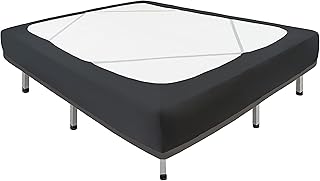
- Fix the foundation first: Slats spaced wider than 3 inches will telegraph through any foam mattress. Add a center support leg, or cut a sheet of 3/4-inch plywood to size and lay it over the slats. Ten dollars of lumber saves a $900 mattress.
What's inside
Anyone over about 230 pounds learns the same lesson the hard way: most mattresses are engineered for an average that doesn’t include them. The foam feels supportive for a few months, then a trench forms where your hips land, your shoulders roll inward, and you wake up with a low back that feels like you slept in a hammock. Spec sheets rarely help, because “medium firm” is a marketing word, not a measurement, and almost nobody publishes the foam density numbers that actually predict how a bed will hold up under load.
This guide approaches the problem the way you’d approach any load-bearing project: figure out the forces involved, then pick materials rated for them. Below are six mattresses that hold their shape under real weight, plus the shop-floor checks I use to judge a bed before it ever goes on a frame. I also cover the part almost every buyer skips — the foundation underneath, which is where a surprising number of “bad mattress” complaints actually originate.
As an Amazon Associate we earn from qualifying purchases.


How to Choose a Mattress for an Overweight Person (2026)
- Height, then feel: Go 12 inches minimum, 14 if you can. Thickness buys you a deeper transition layer between your body and the base foam, which is exactly what stops the hip-sink pattern. An 8-inch bed simply runs out of material.
- Coils over pure foam for 300+ lbs: Pocketed springs push back with steel rather than polymer, and steel doesn’t creep under sustained load the way cheap foam does. A hybrid with reinforced perimeter coils also gives you a firm edge to sit on while you lace your boots.
- Density beats firmness ratings: If a brand lists base foam under 1.8 lb/ft³, expect body impressions within a year. High-density support cores and zoned firmness under the lumbar region are what keep your spine in line, not a surface that just feels stiff at first touch.
- Plan for heat: More body mass means more heat to shed, and you compress foam harder, which chokes airflow. Copper or graphite infusions, gel layers, and open-cell structures all help; a coil layer helps most because air moves through it freely.
- Fix the foundation first: Slats spaced wider than 3 inches will telegraph through any foam mattress. Add a center support leg, or cut a sheet of 3/4-inch plywood to size and lay it over the slats. Ten dollars of lumber saves a $900 mattress.
The Best Mattresses for Overweight Sleepers (2026), Reviewed
EGOHOME 14″ Copper Gel Memory Foam
The full 14 inches is the point here: enough stack height to cradle shoulders without letting hips bottom out, with copper-gel infusion and a graphene cover doing the heat management. Fiberglass-free construction and CertiPUR-US certification make it an easy pick for anyone who plans to keep the cover unzipped for washing.
Sleepmax 14″ Hybrid
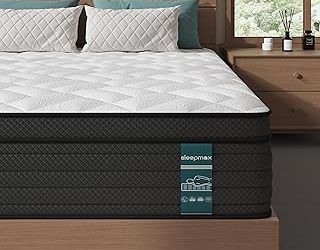
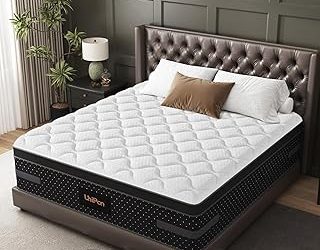
My default recommendation for combination sleepers past 300 pounds, because the pocketed coil core carries load in a way all-foam beds can’t match over time. Edge support is genuinely firm, which matters if you sit on the side of the bed to dress, and the 365-night trial gives you a full seasonal cycle to judge it.
Nectar 12″ Memory Foam
The most predictable option on the list — a proven medium-firm foam build with a year-long trial window, which is unusually generous for a foam bed. Best suited to back and side sleepers in the 230 to 280 pound range who want contouring pressure relief without a springy feel.
Sweetnight CoolNest 14″ King
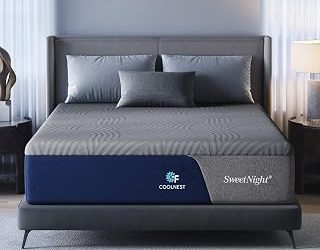
Five-zone construction firms up under the hips and softens at the shoulders, and that zoning does real work when your body applies uneven pressure. The breathable build keeps surface temperature reasonable, making it a strong pick for hot sleepers who still prefer foam over coils.
Lucid 10″ Gel Memory Foam
Bamboo charcoal and cooling gel in a 10-inch profile at an accessible price, best matched to lighter-framed sleepers or guest room duty. On a slatted frame, add plywood — this one telegraphs gaps more than the thicker beds above.
Frequently Asked Questions
What firmness works best for heavier sleepers?
Medium-firm to firm. Softer surfaces let your hips drop below your shoulders, which twists the lumbar spine. Aim for a bed where a straightedge laid along your side shows a fairly continuous line.
Is memory foam or hybrid better?
Under roughly 280 pounds, a well-built foam mattress performs fine. Above that, hybrids age better because coils resist permanent compression.
Can I use a slatted platform bed?
Yes, if slats sit no more than 3 inches apart and there’s a center support leg. Otherwise add plywood or extra slats — a cheap Saturday fix.
Do these fit deep-pocket sheets?
The 14-inch models need 15-inch or deeper pockets. Standard sheets will pop off corners nightly.
Final Thoughts
For most heavier sleepers, the Sleepmax 14″ Hybrid is the safest structural bet thanks to its coil core and long trial period, while the EGOHOME 14″ delivers the best cooling in an all-foam build. If you want a proven, low-risk foam option, Nectar remains hard to beat — just shore up the frame underneath before it arrives.