Key takeaways
- Support core over plushness: Pocketed coils or a high-density foam base carry weight; the top two inches only shape comfort. Look for zoned lumbar coils or a heavy-duty spring unit rather than a thick pillow top sitting on a thin core.
- Foam density, not just thickness: A 14-inch bed built from low-density foam compresses into an 11-inch bed within a year. Aim for memory foam at 4 lb/ft³ or higher and a base layer of 1.8 lb/ft³ or better, and treat CertiPUR-US certification as the baseline.
- Reinforced perimeter: Firm foam rails or higher-gauge edge coils keep the sides from collapsing where you sit, get dressed, and get in and out. This is the first area to fail on a budget build.
- Airflow strategy: More body mass means more heat and deeper sinkage into insulating foam. Gel infusions, ventilated cores, latex, or an open coil layer all move heat better than dense solid foam.
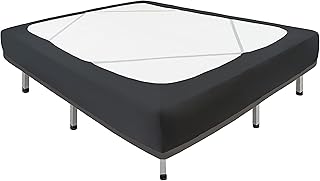
- Foundation math: Slats need to sit no more than 2.5 to 3 inches apart, with a center support leg on queen and king sizes. Check the warranty language too, since most voids coverage if the deck flexes.
What's inside
If you have ever crawled under a bed frame with a flashlight to figure out why one side dips, you already understand the real problem with shopping for a mattress at a higher body weight. Most mattresses are engineered around a 150-pound sleeper. Load them with 250, 350, or 500 pounds across two people and the failure points show up fast: coils that lose their spring, comfort layers that pack down into a hammock shape, and edges that roll you off when you sit down to lace your boots. Marketing copy rarely tells you the coil gauge, the foam density, or how the perimeter is reinforced, which are exactly the three numbers that decide whether a bed lasts two years or ten.
This guide takes the same approach you would take to any load-bearing build: look at the structure first, then the finish. Below are six 14-inch mattresses built with heavier sleepers in mind, plus a short checklist of specs worth confirming before you click buy, honest notes on where each model shines, and answers to the questions that come up once the box is on your floor. Support and foundation advice is included, because half the sagging complaints out there trace back to the frame, not the mattress.
As an Amazon Associate we earn from qualifying purchases.


How to Choose a/an Mattress For Heavy Weight People (2026)
- Support core over plushness: Pocketed coils or a high-density foam base carry weight; the top two inches only shape comfort. Look for zoned lumbar coils or a heavy-duty spring unit rather than a thick pillow top sitting on a thin core.
- Foam density, not just thickness: A 14-inch bed built from low-density foam compresses into an 11-inch bed within a year. Aim for memory foam at 4 lb/ft³ or higher and a base layer of 1.8 lb/ft³ or better, and treat CertiPUR-US certification as the baseline.
- Reinforced perimeter: Firm foam rails or higher-gauge edge coils keep the sides from collapsing where you sit, get dressed, and get in and out. This is the first area to fail on a budget build.
- Airflow strategy: More body mass means more heat and deeper sinkage into insulating foam. Gel infusions, ventilated cores, latex, or an open coil layer all move heat better than dense solid foam.
- Foundation math: Slats need to sit no more than 2.5 to 3 inches apart, with a center support leg on queen and king sizes. Check the warranty language too, since most voids coverage if the deck flexes.
The Best Mattress For Heavy Weight People (2026)s Reviewed
BedStory 14 Inch Hybrid King
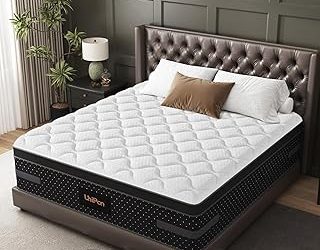
The zoned lumbar section is the standout here, using firmer coils through the midsection so your hips stay level instead of dropping into a V. The 10-year warranty and no-sag pocket spring construction make this a safe default pick for back sleepers over 250 pounds.
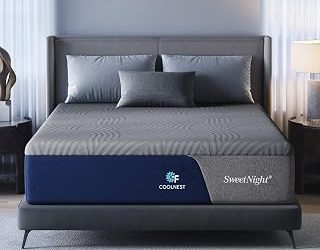
Sweetnight CoolNest 14 Inch King
A five-zone ergonomic foam layout with genuine breathability engineering, aimed at heavier side sleepers who want contouring without the swamp effect. The medium feel is the most forgiving option on this list for shoulder and hip pressure, though very heavy stomach sleepers may want something firmer.
Coolvie Hybrid Latex King 14 Inch
Latex plus five-zone heavy-duty springs is the most durable pairing in this roundup, since latex resists the slow packdown that plagues memory foam under sustained load. The Euro top adds cushioning without the loose, floppy feel of a traditional pillow top.
Extra Firm 14 Inch Queen Hybrid
Thick foam edge rails do the heavy lifting here, so the perimeter holds its shape for couples and for anyone who needs a stable surface to push off from. A strong pick for seniors and shared beds where motion isolation and no-sag support matter equally.
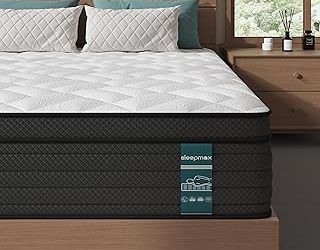
Sleepmax Queen 14 Inch Hybrid
The 365-night trial is unusually generous and genuinely useful, because support issues at higher body weights often surface at month four, not week one. Balanced enough for back and side sleepers, fiberglass-free, and easy to live with straight out of the box.
Frequently Asked Questions
How firm should the mattress be?
Firmer than the charts suggest. A mattress rated medium-firm for an average sleeper often behaves like medium under 300 pounds, so sizing up one firmness step usually lands you in the right place.
Will my existing bed frame work?
Check slat spacing and center support before anything else. Add extra slats or a plywood deck if the gaps exceed three inches, and confirm the frame’s stated weight capacity covers both sleepers plus the mattress.
Is hybrid better than all-foam?
Generally yes at higher weights. Coils push back and recover better than foam under sustained compression, and they let air move through the core instead of trapping it.
Does the SLEEP100 extra firm option make sense?
If spine alignment is the priority and you dislike sinking, the SLEEP100 14″ King with gel-infused ventilated foam delivers a flatter, more supportive surface. Skip it if you are a dedicated side sleeper who needs shoulder give.
Final Thoughts
For most buyers, the BedStory 14 Inch Hybrid is the sensible starting point thanks to its zoned lumbar coils and long warranty, while the Coolvie Hybrid Latex earns the nod for anyone prioritizing long-term durability over initial softness. Sleep hot or share the bed? The Sweetnight CoolNest handles heat and motion better than the rest, and remember to shore up your foundation before the new mattress arrives.