Key takeaways
- Foam density over foam thickness: A 14-inch bed built from 3 lb/ft³ foam will body-impression faster than a 10-inch bed using 4 lb/ft³ or better. Density is the number that predicts lifespan under load, so hunt for it in the specs and treat its absence as a warning.
- Pocket coils with a real transition layer: Individually encased springs push back harder than all-foam cores at heavier weights. What matters just as much is the inch or two of firmer foam above them, which spreads your load across multiple coils instead of letting you sink between them.
- Perimeter reinforcement: Look for higher-gauge edge coils or a dense foam rail around the outside. Without it, the sides collapse where you sit to dress, and the usable sleep surface shrinks by several inches on each side within a year.
- Heat management that isn’t just a cover: More body mass means more heat, and gel beads alone won’t move it. Graphene or copper infusions plus an open-cell or perforated foam structure actually move warmth away from the surface rather than trapping it under you.
- Firmness one notch up from what feels right in-store: Compression scales with weight, so a bed that reads medium at 160 pounds reads soft at 280. Medium-firm is generally the safe starting point, and firm makes sense for stomach and back sleepers over 250 pounds.
What's inside
Anyone who has ever pulled a mattress off a bed frame and seen the sag pressed permanently into the foam knows the problem. Support layers built for a 150-pound sleeper give out fast under 250 or 300 pounds, and the failure shows up as a hammock through the middle, edges that roll you off when you sit down to tie your shoes, and a lower back that aches before your feet hit the floor. Weight capacity ratings on spec sheets rarely tell the real story either, because most manufacturers quote a number for the whole bed rather than per side.
This guide takes a builder’s view of what’s actually inside these beds: coil gauge and count, foam density, transition layer thickness, and how edge reinforcement is constructed. We’ve focused on models that hold up structurally for heavier sleepers, and we cover sizing from twin through king so you can match a bed to your frame and your budget without guessing at what the marketing copy leaves out.
As an Amazon Associate we earn from qualifying purchases.


How to Choose a Mattress For Larger Person (2026)
- Foam density over foam thickness: A 14-inch bed built from 3 lb/ft³ foam will body-impression faster than a 10-inch bed using 4 lb/ft³ or better. Density is the number that predicts lifespan under load, so hunt for it in the specs and treat its absence as a warning.
- Pocket coils with a real transition layer: Individually encased springs push back harder than all-foam cores at heavier weights. What matters just as much is the inch or two of firmer foam above them, which spreads your load across multiple coils instead of letting you sink between them.
- Perimeter reinforcement: Look for higher-gauge edge coils or a dense foam rail around the outside. Without it, the sides collapse where you sit to dress, and the usable sleep surface shrinks by several inches on each side within a year.
- Heat management that isn’t just a cover: More body mass means more heat, and gel beads alone won’t move it. Graphene or copper infusions plus an open-cell or perforated foam structure actually move warmth away from the surface rather than trapping it under you.
- Firmness one notch up from what feels right in-store: Compression scales with weight, so a bed that reads medium at 160 pounds reads soft at 280. Medium-firm is generally the safe starting point, and firm makes sense for stomach and back sleepers over 250 pounds.
The Best Mattress For Larger Person (2026)s Reviewed
EGOHOME 14″ King Memory Foam
The copper-gel foam and graphene cover make this one of the better all-foam options for heat, and at 14 inches there’s genuine support depth beneath the comfort layers rather than a thin core dressed up with padding. Medium-firm here lands closer to true firm for sleepers past 250 pounds, which is exactly what you want for back pain relief.
Full XL 14″ Hybrid
Pocket springs paired with cooling gel foam give you the pushback an all-foam bed can’t sustain, and the 54×80 footprint solves the awkward gap for taller sleepers who need extra length without stepping up to a queen frame. Solid choice for a guest room or a single sleeper in a tight bedroom.
Sealy Dreamlife 12″ Hybrid
Sealy’s encased coil system is the most proven support platform in this lineup, and the Surface-Guard treatment on the cover is a practical touch for a bed that will see more perspiration. Twelve inches is plenty when the coils are doing the structural work.
Sweetnight CoolNest 14″ King
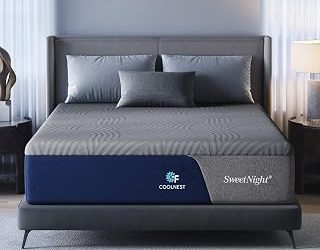
The five-zone layout firms up under the hips and lumbar while easing off at the shoulders, which addresses the specific spot where heavier sleepers tend to sink out of alignment. Breathability is genuinely improved over standard memory foam, though it still sleeps warmer than the hybrids here.
Vibe Quilted Hybrid 12″
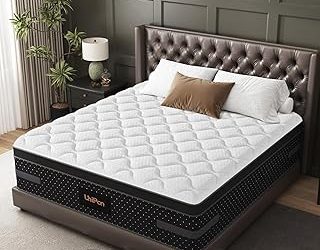
An innerspring core with a quilted pillow top is old-school construction that still works, and it’s the most affordable route to real coil support in this group. The pillow top will compress noticeably in the first few months, so buy it firmer than feels ideal on day one.
Frequently Asked Questions
What weight limit should I look for?
Most quality hybrids handle 300 to 350 pounds per side comfortably. All-foam beds are more variable, so foam density is the better proxy: 4 lb/ft³ or higher in the support core is the threshold worth holding to.
Do I need a stronger bed frame?
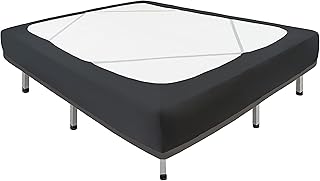
Yes, and this is the step most people skip. Center support legs every 18 to 24 inches under the slats, and slat gaps under three inches, or the mattress will sag no matter how well it’s built.
Hybrid or all-foam for heavier sleepers?
Hybrid, generally. Coils recover their shape indefinitely while foam gradually loses loft, so a spring core buys you years of consistent support.
How long should a mattress last under heavier use?
Expect five to seven years from a well-built hybrid and three to five from a mid-tier all-foam bed. Rotating it head-to-foot every three months meaningfully extends both.
Final Thoughts
For most heavier sleepers, the Sealy Dreamlife hybrid is the safest structural bet thanks to its proven encased coil system, while the EGOHOME 14-inch is the pick if you prefer memory foam feel and need serious cooling. Budget-conscious buyers who still want coil support should look hard at the Vibe Quilted Hybrid.