Key takeaways
- Go 12 inches or taller: Thin mattresses bottom out under concentrated load. A 14-inch profile gives foam room to compress without you feeling the base layer, and 18 inches buys extra margin for combined couple weight.
- Prioritize hybrid coil systems: Pocketed springs push back and recover in a way all-foam beds struggle to match at higher loads. If you prefer foam feel, look for high-density support cores rather than thick soft comfort layers.
- Check the perimeter build: Reinforced edge coils or a firm foam rail keep the sides from collapsing when you sit to tie your shoes. This is the first thing to fail on budget beds and the hardest to fix later.
- Read firmness as load-relative: “Medium firm” sleeps softer the more weight you apply. Heavier sleepers often land closest to their ideal feel on extra-firm models, and side sleepers should stay medium-firm at minimum.
- Verify the foundation and the trial: Slats wider than three inches apart void warranties and cause sagging. Then use the full 365-night trial — real compression shows up around month four, not week one.
What's inside
Most mattress spec sheets are written for a 150-pound sleeper, which is why so many beds that felt great in the showroom turn into a hammock within eight months. If you carry more weight, the physics change: foam compresses further and faster, coil gauge matters more than coil count, and edge support stops being a luxury and becomes the difference between sitting on the mattress and sliding off it. Sagging in the hip and shoulder zones throws your spine out of alignment, which is where the morning back pain comes from — not the firmness rating on the box.
I approached this the way I’d approach any build: pull the beds apart on paper, look at what’s actually doing the load-bearing, and ignore the marketing copy. Below are six mattresses that hold up structurally for heavier sleepers, based on coil construction, foam density, total height, and how the perimeter is reinforced. I’ve noted who each one suits, what to check before you commit, and the trial windows worth using properly.
As an Amazon Associate we earn from qualifying purchases.


How to Choose a Mattress For Fat People (2026)
- Go 12 inches or taller: Thin mattresses bottom out under concentrated load. A 14-inch profile gives foam room to compress without you feeling the base layer, and 18 inches buys extra margin for combined couple weight.
- Prioritize hybrid coil systems: Pocketed springs push back and recover in a way all-foam beds struggle to match at higher loads. If you prefer foam feel, look for high-density support cores rather than thick soft comfort layers.
- Check the perimeter build: Reinforced edge coils or a firm foam rail keep the sides from collapsing when you sit to tie your shoes. This is the first thing to fail on budget beds and the hardest to fix later.
- Read firmness as load-relative: “Medium firm” sleeps softer the more weight you apply. Heavier sleepers often land closest to their ideal feel on extra-firm models, and side sleepers should stay medium-firm at minimum.
- Verify the foundation and the trial: Slats wider than three inches apart void warranties and cause sagging. Then use the full 365-night trial — real compression shows up around month four, not week one.
The Best Mattress For Fat People (2026)s Reviewed
EGOHOME 14″ Copper Gel Memory Foam
The strongest all-foam option here, using copper-gel infusion and a graphene cover to pull heat away from broader contact areas where foam typically traps it. Medium firm with genuine density behind it — best for back sleepers who want contouring pressure relief without the bounce of coils.
Luxury Hotel 18″ Hybrid
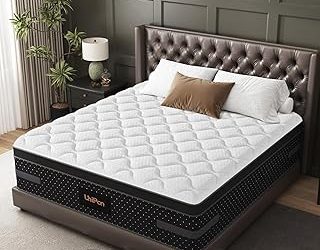
At 18 inches with pocket springs and dedicated extra edge support, this is the pick for couples with a high combined load or anyone who’s bottomed out on shorter beds before. The added height also makes getting in and out noticeably easier on knees and hips.
BedStory 14″ Extra Firm Hybrid
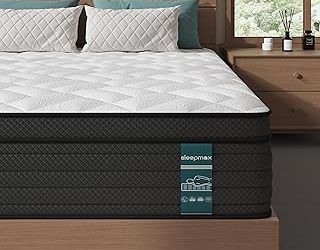
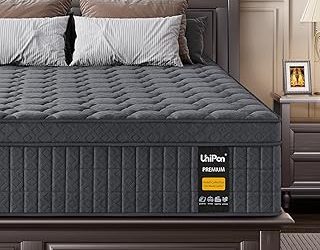
Built around lumbar and hip reinforcement, this one resists the classic center-sag pattern better than most in its price range. Extra firm means minimal sink, so it suits back and stomach sleepers who want their spine held flat rather than cradled.
King 14″ Extra Firm Pressure Relief Hybrid
A no-frills extra-firm hybrid focused on spinal alignment and cooling, with CertiPUR-US foams and a fiberglass-free construction. Solid value if firm support is your only real requirement and you don’t need plush surface comfort.
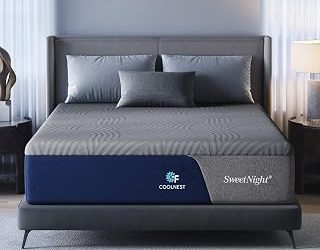
Sweetnight CoolNest 14″
The five-zone ergonomic layout targets support where load concentrates, softening at the shoulders and firming through the midsection. Medium feel with strong breathability engineering — a reasonable middle ground for combination sleepers who run hot.
Frequently Asked Questions
What firmness should I choose if I’m over 250 pounds?
Start at medium-firm and lean firmer. Firmness is measured under standard load, so the same mattress will feel a step or two softer under more weight. Side sleepers should avoid anything rated below medium-firm.
Is foam or hybrid better for heavier bodies?
Hybrids generally last longer under sustained load because coils recover mechanically rather than relying on foam resilience. High-density all-foam beds like the EGOHOME work well, but avoid thick plush comfort layers.
Do I need a special bed frame?
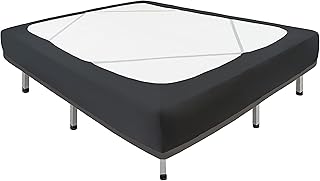
Yes, in most cases. Slats should sit no more than three inches apart, and queen or king frames need a center support leg. An inadequate foundation is the most common cause of premature sagging and will void your warranty.
How long should a mattress last at higher body weights?
Expect five to seven years from a well-built hybrid, versus the eight to ten often advertised. Rotating head-to-foot every three months helps distribute wear across the surface.
Final Thoughts
For most heavier sleepers, the Luxury Hotel 18″ hybrid is the safest structural bet thanks to its height and reinforced edges, while the BedStory extra firm delivers the best sag resistance for the money. If you prefer foam feel over coils, the EGOHOME copper-gel model is the one worth your 365 nights.