Key takeaways
- Build height: Aim for 12 inches minimum and 14 inches if you can swing it. Extra loft means more material between your hips and the foundation, which is exactly what prevents that hammock sag. Thin profiles bottom out fast under concentrated weight.
- Support core: Pocketed coils generally outlast all-foam under heavier loads because steel rebounds where polyurethane creeps. If you prefer foam’s quiet, hunt for high-density support layers rather than generic “premium foam” language.
- Edge reinforcement: Firmer perimeter coils or a foam rail changes daily life more than people expect. It’s the difference between sitting confidently on the side of the bed and sliding off it while pulling on socks.
- Heat management: More body mass means more heat and deeper sinkage, which traps that heat. Gel infusion, copper, graphene, and open knit covers all help; airflow through a coil layer helps most.
- Certifications and warranty: CertiPUR-US on the foam and a confirmed fiberglass-free construction are non-negotiable. Then read the sag clause in the warranty. Some cover a 1-inch impression, others require 1.5 inches, and that half-inch is the whole ballgame.
What's inside
Anyone who has ever knelt down beside a bed frame with a socket wrench, tightening bolts that keep working themselves loose, knows the truth: most mattresses are engineered for a 150-pound sleeper. Cross the 250-pound mark and the physics change. Foam that felt supportive in the showroom compresses to a pancake in eight months, edges roll out from under you when you sit to lace your boots, and that dreaded hip-level valley shows up right where your lumbar spine needs the most help. It isn’t a comfort problem so much as a materials problem.
This guide approaches the question the way you’d approach any load-bearing project: what’s the density of the foam, how many coils are carrying the weight, how is the perimeter reinforced, and does the cover actually move heat away or just claim to? Below are six mattresses that hold their geometry under real load, plus a breakdown of the specs worth checking before you commit, honest notes on each pick, and answers to the questions that come up most often once the box is unrolled on the bedroom floor.
As an Amazon Associate we earn from qualifying purchases.


How to Choose a Mattress For Big Person (2026)
- Build height: Aim for 12 inches minimum and 14 inches if you can swing it. Extra loft means more material between your hips and the foundation, which is exactly what prevents that hammock sag. Thin profiles bottom out fast under concentrated weight.
- Support core: Pocketed coils generally outlast all-foam under heavier loads because steel rebounds where polyurethane creeps. If you prefer foam’s quiet, hunt for high-density support layers rather than generic “premium foam” language.
- Edge reinforcement: Firmer perimeter coils or a foam rail changes daily life more than people expect. It’s the difference between sitting confidently on the side of the bed and sliding off it while pulling on socks.
- Heat management: More body mass means more heat and deeper sinkage, which traps that heat. Gel infusion, copper, graphene, and open knit covers all help; airflow through a coil layer helps most.
- Certifications and warranty: CertiPUR-US on the foam and a confirmed fiberglass-free construction are non-negotiable. Then read the sag clause in the warranty. Some cover a 1-inch impression, others require 1.5 inches, and that half-inch is the whole ballgame.
The Best Mattress For Big Person (2026)s Reviewed
EGOHOME King 14″ Memory Foam
Copper gel and a graphene cover give this one a genuinely cool sleep surface for an all-foam build, and the ICA endorsement backs up the back-pain positioning. Medium firm with real thickness behind it, so heavier sleepers get contouring without hitting the base layer.
BedStory 14″ Hybrid King
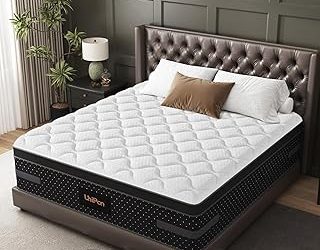
This is the most purpose-built option here, with zoned lumbar reinforcement aimed squarely at heavier bodies and a pocket spring core that resists the sag other beds develop. The 10-year warranty signals the maker expects it to hold shape.
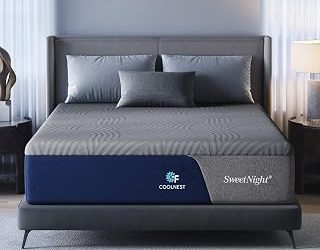
Sweetnight CoolNest 14″ King
Five-zone ergonomic support means the firmness varies along the length of the mattress, so hips get more pushback than shoulders. Medium feel, strong breathability engineering, and CertiPUR-US foam make it a balanced pick for couples with mismatched builds.
14″ Full XL Hybrid with Pocket Springs
A smart answer for tall sleepers in a narrow room. The gel memory foam and coil combination delivers pressure relief plus the rebound heavier sleepers need, and the 80-inch length keeps your feet on the mattress instead of past it.
14″ Full XL with Edge Support
Same generous 54 x 80 footprint, with the perimeter build called out specifically. If you sit on the bed’s edge often or sleep close to the side, that reinforced border is the feature that will win you over.
Frequently Asked Questions
What firmness should a heavier sleeper choose?
Medium firm is the sweet spot for most. Firmness is measured against average body weight, so a bed rated medium firm will feel roughly one step softer to someone over 250 pounds. Going too plush accelerates sagging.
Do I need a special foundation?
Yes, and this is where DIYers save real money. Slats should sit no more than 3 inches apart, and any queen or larger frame needs a center support leg touching the floor. Adding an extra plywood-free slat run is a twenty-minute fix that doubles mattress life.
Is hybrid always better than foam?
Not always, but usually for heavier sleepers. Coils resist permanent compression and improve airflow. All-foam still wins on motion isolation if a partner’s movement wakes you up.
How long will one of these actually last?
Expect six to eight years under heavier load versus the ten often advertised. Rotating head-to-foot every three months distributes wear and buys you meaningful extra time.
Final Thoughts
For most heavier sleepers, the BedStory 14″ Hybrid is the smartest structural bet thanks to its zoned lumbar support and non-sag coil core. If you prefer the hush of memory foam, the EGOHOME 14″ delivers with genuinely effective cooling tech, while the Sweetnight CoolNest splits the difference nicely for couples.