Key takeaways
- Zoned support beats uniform firmness: Look for beds that vary coil gauge or foam density across the length of the mattress. Zoned lumbar sections let your shoulder drop while keeping your midsection lifted, which is exactly the geometry a side sleeper needs. Uniform-firmness beds force you to pick between shoulder relief and hip support.
- Comfort layer depth of 3 to 4 inches: Anything thinner and your shoulder bottoms out onto the coil unit within minutes. Press your thumb into the top layer at the store or on arrival — you want meaningful travel before you feel resistance, not immediate pushback.
- Pocketed coils over connected innersprings: Individually wrapped coils flex independently, so your hip can sink two inches while the coil under your ribs stays put. Bonnell or continuous-wire units transfer that load sideways and flatten the contour you are trying to create.
- Check the total height against your bedding: A 14-inch mattress plus a foundation puts the sleep surface high, and standard fitted sheets with 13-inch pockets will pop off corners. Measure before you buy sheets, and account for a mattress protector adding another quarter inch.
- Verify fiberglass-free and CertiPUR-US: Fiberglass sock covers are a genuine mess if the cover ever tears, and side sleepers tend to shift covers more from lateral movement. CertiPUR-US certification confirms the foam meets emissions and content standards, which matters in a bed you breathe against for eight hours.
What's inside
Side sleeping loads your shoulder and hip into the mattress like two blunt wedges, and most beds answer that pressure the wrong way. Too firm and your shoulder gets shoved upward, twisting your spine into a shallow S all night. Too soft and your hips sink past the point of support, hammocking your lower back until you wake up stiff. The fix is not simply “softer” — it is a surface that yields in the shoulder zone while holding firm at the lumbar, which is a construction question, not a comfort-rating question.
I have unboxed, sectioned, and slept on enough of these compressed-roll mattresses to know the spec sheet only tells half the story. What follows is a practical breakdown of what actually matters in a side sleeper mattress — coil gauge, foam layering, zoning, edge behavior — plus honest notes on six current options ranging from plush hybrids to a dense copper-infused foam build. Trial periods matter here more than anywhere else in furniture, and thankfully most of these ship with a full year to decide.
As an Amazon Associate we earn from qualifying purchases.


How to Choose a Type Of Mattress For Side Sleepers (2026)
- Zoned support beats uniform firmness: Look for beds that vary coil gauge or foam density across the length of the mattress. Zoned lumbar sections let your shoulder drop while keeping your midsection lifted, which is exactly the geometry a side sleeper needs. Uniform-firmness beds force you to pick between shoulder relief and hip support.
- Comfort layer depth of 3 to 4 inches: Anything thinner and your shoulder bottoms out onto the coil unit within minutes. Press your thumb into the top layer at the store or on arrival — you want meaningful travel before you feel resistance, not immediate pushback.
- Pocketed coils over connected innersprings: Individually wrapped coils flex independently, so your hip can sink two inches while the coil under your ribs stays put. Bonnell or continuous-wire units transfer that load sideways and flatten the contour you are trying to create.
- Check the total height against your bedding: A 14-inch mattress plus a foundation puts the sleep surface high, and standard fitted sheets with 13-inch pockets will pop off corners. Measure before you buy sheets, and account for a mattress protector adding another quarter inch.
- Verify fiberglass-free and CertiPUR-US: Fiberglass sock covers are a genuine mess if the cover ever tears, and side sleepers tend to shift covers more from lateral movement. CertiPUR-US certification confirms the foam meets emissions and content standards, which matters in a bed you breathe against for eight hours.
The Best Type Of Mattress For Side Sleepers (2026)s Reviewed
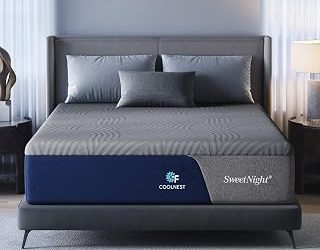
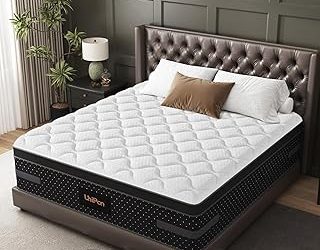
Medium Firm 14″ Hybrid with Zoned Lumbar Support
This is the balanced pick for anyone who switches between side and back through the night — the zoned lumbar band gives noticeably more pushback under the waist than the shoulder region, which you can feel by pressing along the length with your palm. The 365-night trial and ten-year warranty make it a low-risk starting point if you are unsure whether medium firm suits your frame.
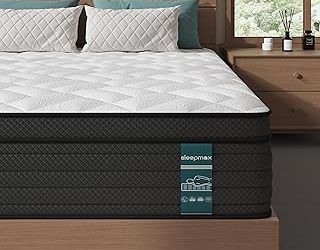
Sleepmax Queen 14 Inch Hybrid
Sleepmax leans toward genuine pressure relief without going mushy, and the cooling treatment in the cover does real work if you sleep warm with a shoulder buried in foam. Solid choice for couples where one person sides and the other backs, since the coil isolation keeps movement from crossing the bed.
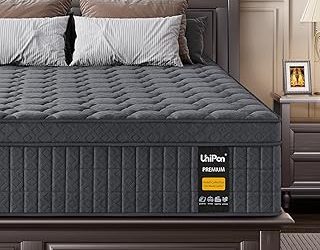
Soft Plush 14 Inch Hybrid
The plushest option here and the one I would point a lighter-framed side sleeper toward, since under 150 pounds you often cannot compress a medium firm comfort layer enough to get shoulder relief. Gel memory foam over pocketed springs gives deep contour with enough coil underneath to prevent the sag that pure foam develops in year three.
BedStory Firm 13 Inch Hybrid
Firm on paper, but the zoned lumbar construction and hotel-style quilted top mean side sleepers with lower back pain get support without total shoulder rejection. Best for heavier sleepers who compress softer beds past their useful range.
EGOHOME 14 Inch Copper Gel Memory Foam
The all-foam pick, and the copper infusion plus graphene cover genuinely helps with the heat retention that usually kills memory foam for side sleepers. Motion isolation is the best of this group, though you lose the coil bounce that makes repositioning easy.
Frequently Asked Questions
How firm should a side sleeper mattress be?
Most side sleepers land between medium soft and medium firm, but body weight drives it more than preference. Under 150 pounds, go softer; over 230, go firmer or you will sink through the comfort layer.
Is a hybrid or memory foam better for side sleeping?
Hybrids generally win because pocketed coils let you sink where you need to without losing lumbar support. Memory foam contours better but runs warmer and makes repositioning harder.
How long does a new mattress need to break in?
Give it three to four weeks. Compressed foam needs time to fully expand and your body needs time to adapt, which is exactly why those 365-night trials exist.
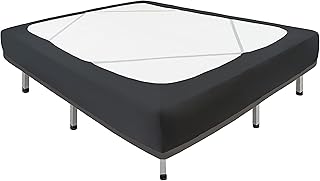
Do I need a special foundation for a 14-inch mattress?
You need slats no more than three inches apart or a solid platform. Wider gaps let foam bulge downward and void most warranties.
Final Thoughts
For most side sleepers, the Medium Firm 14″ Hybrid with Zoned Lumbar Support is the smart default — it gets the shoulder-to-hip geometry right without demanding you guess your ideal firmness. Lighter sleepers should go with the Soft Plush 14 Inch Hybrid for deeper shoulder contour, while anyone prioritizing motion isolation and cool sleep in an all-foam build will be happiest with the EGOHOME copper gel mattress.