Key takeaways
- Zero gravity preset: a neutral-spine position with legs slightly above the heart. One button beats fiddling with two motors every night.
- Anti-snore mode: a shallow head elevation, usually around 7 degrees, that opens the airway without waking you up.
- Massage motors: genuinely pleasant, and present on the Sven & Son, Best Choice Products, and Tami Tami T600 bases. Treat it as a bonus, not a deciding factor.
- USB ports and under-bed lighting: small stuff that removes clutter. The T600’s dual-side USB and nightlight mean fewer extension cords snaking across the floor.
What's inside
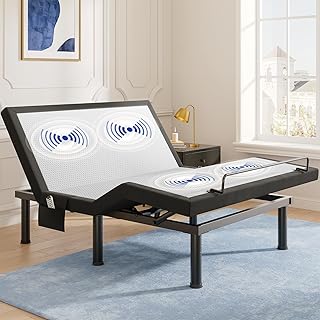
An adjustable base is one of the few furniture upgrades where the mechanical guts matter more than the upholstery. Underneath the fabric you’ve got a steel frame, two or three linear actuators, a control board, and a hand-held or wireless remote talking to it. Once you start thinking about it as a machine rather than a mattress accessory, the buying decision gets a lot easier: you’re shopping for lift geometry, motor quality, wiring layout, and how well the whole thing fits the bedroom you actually have.
This guide walks through how to measure your space, what separates a head-only lift from a proper head-and-foot articulating base, why zero-gravity and anti-snore presets are more than marketing, and how assembly really goes when the box lands in your hallway. You’ll also find our recommended picks below, chosen for build quality, quiet operation, and features that hold up after a few hundred cycles.
As an Amazon Associate we earn from qualifying purchases.




Measure Before You Buy Anything
Pull out a tape measure and check three numbers. First, ceiling clearance above your headboard: a base at full incline sits roughly 12 to 18 inches higher at the shoulders, and a wall-mounted shelf or low sloped ceiling will foul it. Second, the interior width of your existing bed frame, because most adjustable bases drop straight into a platform or panel frame if the side rails clear the base’s outer dimensions. Third, hallway and doorway width, since split-king units ship as two boxes but a queen or full arrives as one substantial carton. Also confirm your leg height options: bases like the Tami Tami T450 include three height-adjustable legs, which lets you match an existing bed frame deck height instead of ending up with a mattress that towers over your nightstand.
Head-Only vs. Head-and-Foot Lift
Cheaper bases lift only the head. That’s fine for reading, but the foot articulation is what does the real work. Raising the knees slightly takes load off the lumbar spine and stops you from sliding down the mattress as the head rises. Every base worth owning has both, and models like the Sven & Son Classic and the Mixcous full-size unit include independent head and foot motors so you can dial in a position rather than pick from two. If you’re building out a guest room on a budget, a head-and-foot base beats a head-only base with extra gadgets every time.
Motors, Weight Capacity, and Noise
The actuator is the part that fails first, so it’s worth a closer look. Look for a stated weight capacity that covers you, your partner, your mattress, and your dog with margin to spare, since a base rated at 750 lb running near its limit will strain and get loud. Quiet-motor claims are common, but real-world noise comes down to whether the drive nut is nylon or metal-on-metal and how well the frame damps vibration. The Tami Tami T600 and the Mixcous base both specifically target low-noise operation, which matters if someone stays flat while the other person adjusts. Check the warranty length on the motor separately from the frame; they’re often different terms.
Features That Earn Their Keep
- Zero gravity preset: a neutral-spine position with legs slightly above the heart. One button beats fiddling with two motors every night.
- Anti-snore mode: a shallow head elevation, usually around 7 degrees, that opens the airway without waking you up.
- Massage motors: genuinely pleasant, and present on the Sven & Son, Best Choice Products, and Tami Tami T600 bases. Treat it as a bonus, not a deciding factor.
- USB ports and under-bed lighting: small stuff that removes clutter. The T600’s dual-side USB and nightlight mean fewer extension cords snaking across the floor.
Assembly and Mattress Pairing
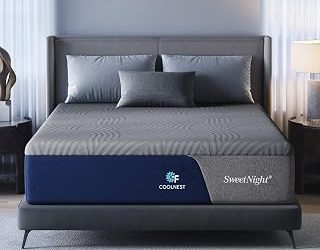
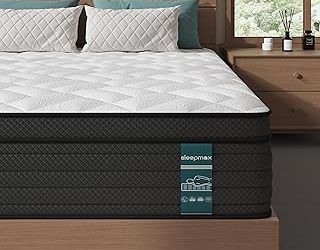
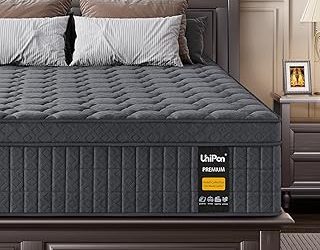
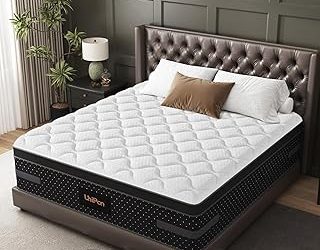
Most modern bases are genuinely tool-free: unfold the frame, thread the legs into their sockets, plug the motor harness into the control box, and clip on the retainer bars. Budget 15 to 30 minutes with a helper, mainly because the carton is heavy and awkward rather than because the steps are hard. Where people get tripped up is the mattress. An innerspring with a rigid border wire will fight the bend and eventually crease. Foam and hybrid mattresses flex properly, which is why bundles like the Twin XL base with a 12-inch gel memory foam mattress or the Sven & Son package with a 14-inch hybrid take the guesswork out. Buy them together if you can; retrofitting an old mattress onto a new base is usually a compromise.
Tips
- Run the base through its full range of motion before you put the mattress on. Catching a wiring pinch point is far easier with an empty deck.
- Leave four to six inches of slack in the power cord and route it away from the scissor mechanism using zip ties or adhesive clips.
- Add a set of adjustable-base fitted sheet straps or a mattress retainer bar if your mattress creeps forward at high incline.
- Keep the remote paired and the batteries fresh, but locate the manual override or emergency-lower instructions in the manual first, so a dead remote doesn’t leave you stuck upright.
Frequently Asked Questions
Can I use my existing bed frame?
Usually yes, if the interior dimensions clear the base’s footprint. Remove the slats or bunkie board and set the base inside, either on its own legs or resting on the frame’s ledge. Panel and platform frames work well; frames with a fixed center support may need modification.
Will an adjustable base ruin my mattress?
Not if the mattress is designed to flex. Foam, latex, and most hybrids are fine. Traditional innersprings with a heavy perimeter wire will develop permanent creases and shouldn’t be used.
How much power does it draw?
Very little. The motors only pull current while moving, and standby draw is minimal. A standard wall outlet is all you need, and a basic surge protector is cheap insurance for the control board.
Are split bases worth the extra cost?
If two people share the bed and want different positions, yes, absolutely. For a single sleeper or a guest room, a one-piece full or queen base like the T450 or T600 makes more sense.
Conclusion
Buy on the fundamentals first: dual head-and-foot motors, a weight rating with real headroom, a quiet drive, and leg heights that match your room. Presets like zero gravity and anti-snore are genuinely useful, and conveniences like USB ports and under-bed lighting are nice once the mechanical basics check out. Pair it with a mattress that’s built to flex, take twenty minutes to route the wiring properly during assembly, and you’ll have a bed that stays quiet and reliable for years.