Key takeaways
- Thickness vs. sleeper weight: A 6-inch slab works well for kids, guest rooms, bunk beds, and daybeds, but adults over roughly 180 pounds will bottom out on it. Step up to 8 or 10 inches if the mattress is for nightly adult use.
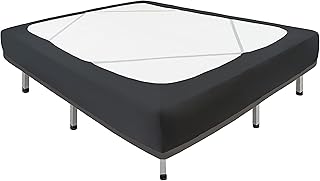
- Foundation compatibility: Memory foam needs continuous support. Slats spaced more than about three inches apart will let the foam sag between them, so measure your frame before buying and add a bunkie board or plywood if the gaps are wide.
- Cooling method: Gel infusion, copper infusion, and green tea extract all appear at this price point. Gel and copper help move heat away from the surface; green tea is primarily an odor-control additive. Read the spec, not the marketing color.
- Certifications and cover construction: Look for CertiPUR-US foam and, ideally, a fiberglass-free cover. Fiberglass is used as a cheap flame barrier and becomes a genuine mess if the cover ever tears. Removable, washable covers are a real advantage for long-term upkeep.
- Expansion time and off-gassing: Plan on 24 to 72 hours for full loft, and unbox in a ventilated room. Thicker foams take longer and smell stronger at first. Neither is a defect.
What's inside
Shopping for a budget memory foam mattress feels like walking into a room where every box looks identical. Same vacuum-sealed roll, same certifications listed on the label, same promise of pressure relief. But anyone who has unrolled a few of these on a bed frame knows the differences show up fast: how much the foam sinks under a hip, whether the cover breathes or traps heat, and how the edges hold up after a year of sitting down to lace up boots.
This guide is built from a practical, hands-on perspective: what these mattresses actually feel like once they finish expanding, which thicknesses suit which setups, and where the trade-offs land when you spend less. Below you’ll find six affordable memory foam picks across twin, full, and queen sizes, plus a straightforward framework for matching one to your bed, your body, and your room.
As an Amazon Associate we earn from qualifying purchases.


How to Choose a Cheapest Memory Foam Mattress (2026)
- Thickness vs. sleeper weight: A 6-inch slab works well for kids, guest rooms, bunk beds, and daybeds, but adults over roughly 180 pounds will bottom out on it. Step up to 8 or 10 inches if the mattress is for nightly adult use.
- Foundation compatibility: Memory foam needs continuous support. Slats spaced more than about three inches apart will let the foam sag between them, so measure your frame before buying and add a bunkie board or plywood if the gaps are wide.
- Cooling method: Gel infusion, copper infusion, and green tea extract all appear at this price point. Gel and copper help move heat away from the surface; green tea is primarily an odor-control additive. Read the spec, not the marketing color.
- Certifications and cover construction: Look for CertiPUR-US foam and, ideally, a fiberglass-free cover. Fiberglass is used as a cheap flame barrier and becomes a genuine mess if the cover ever tears. Removable, washable covers are a real advantage for long-term upkeep.
- Expansion time and off-gassing: Plan on 24 to 72 hours for full loft, and unbox in a ventilated room. Thicker foams take longer and smell stronger at first. Neither is a defect.
The Best Cheapest Memory Foam Mattress (2026)s Reviewed
EGOHOME 8 Inch Full Green Tea Memory Foam Mattress
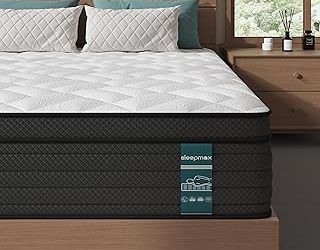
The 8-inch build hits a useful middle ground: enough foam depth for adult sleepers without the price jump of a 10-inch model, and the fiberglass-free cover is a meaningful upgrade at this tier. Medium firm here leans genuinely supportive rather than plush, which suits back and combination sleepers.
Best Price Mattress 10 Inch Queen Memory Foam Mattress
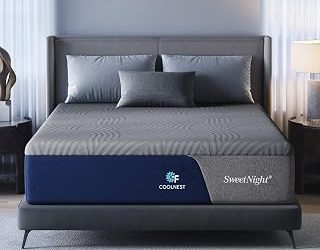
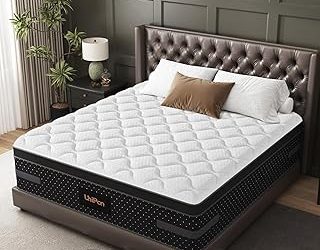
This is the pick if you want maximum cushioning depth on a tight budget, with gel-infused foam that keeps the surface from running as warm as untreated memory foam. The extra inches give side sleepers noticeably better shoulder and hip accommodation than any 6-inch option can manage.
Best Price Mattress 6 Inch Twin Green Tea Mattress
A sensible, no-drama choice for kids’ rooms, bunks, and trundle beds where a thick mattress would create clearance problems. It compresses small for delivery and expands quickly, making it easy to handle solo up a staircase.
LIFEMENT 6 Inch Full Copper Gel Memory Foam Mattress
Copper infusion sets this one apart from the standard gel crowd, adding a bit of heat dissipation and natural antimicrobial benefit to a slim profile. Best suited to lighter adults, teens, and guest rooms rather than heavier nightly sleepers.
Zinus 6 Inch Full Green Tea Memory Foam Mattress
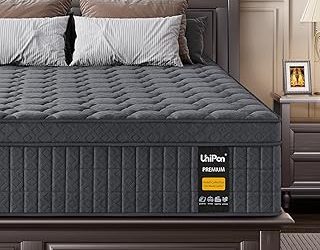
Zinus has the longest track record in the bed-in-a-box space, and this model carries both CertiPUR-US and OEKO-TEX certifications, which is unusual at the low end. The green tea extract keeps the foam smelling neutral over time, a small detail that matters in rooms without much airflow.
Frequently Asked Questions
How long does a cheap memory foam mattress last?
Expect five to seven years of usable life with regular rotation, less if it’s supporting a heavier sleeper nightly. Thinner 6-inch models compress faster than 8- and 10-inch builds.
Can I put a memory foam mattress directly on the floor?
You can, but airflow underneath is limited and moisture can accumulate. If floor sleeping is the plan, stand the mattress up periodically to let it breathe.
Do I need a box spring?
No. Memory foam performs better on a solid platform, slatted frame with narrow gaps, or bunkie board. Traditional coil box springs flex too much and shorten foam life.
Why does my new mattress feel firmer than expected?
Memory foam responds to body heat and needs a break-in period. Give it two to four weeks of regular use before judging the feel.
Final Thoughts
For most adults wanting real memory foam comfort without overspending, the EGOHOME 8 Inch Full offers the best balance of depth, cooling, and a fiberglass-free cover. Choose the Best Price Mattress 10 Inch Queen if you want the most cushioning available at this price, or the Zinus 6 Inch Full for guest rooms and kids’ beds where certification and reliability matter more than loft.