Key takeaways
- Match thickness to body weight: Six-inch mattresses work well for kids, teens, and adults under roughly 130 pounds. Anything heavier compresses through the comfort layer and lands on the support core, which feels like sleeping on plywood with a yoga mat on top. Eight inches is the practical floor for most adults; ten inches gives side sleepers room for their hips and shoulders to sink without bottoming out.
- Treat CertiPUR-US as a baseline, not a bonus: This certification confirms the foam was made without ozone depleters, certain flame retardants, heavy metals, and formaldehyde, and that it meets low-VOC limits. If a budget listing doesn’t mention it, that omission is the answer. OEKO-TEX on the cover fabric is a further plus.
- Confirm the mattress is fiberglass free: Plenty of cheap foam beds use woven fiberglass as their fire barrier. It works, right up until the cover tears or gets unzipped, at which point you’re vacuuming glass fibers out of carpet for weeks. Look for explicit fiberglass-free language.
- Understand what “cooling” actually delivers: Gel infusions and green tea extract help at the margins, moderating surface heat and cutting odor. They don’t turn foam into a ventilated innerspring. If you sleep genuinely hot, budget for a breathable mattress protector and cotton or bamboo sheets, and skip anything with a thick plastic-feeling cover.
- Give it time and airflow after unboxing: Expect 24 to 72 hours for full expansion and a few days for off-gassing smell to fade. Unbox in a room you can ventilate, use a slatted foundation with gaps under three inches, and don’t judge the firmness until day four. Cutting the plastic outdoors saves you the worst of the initial odor.
What's inside
Shopping for a cheap memory foam mattress feels a lot like buying lumber sight unseen: the specs on the label rarely tell you how the thing will actually behave once it’s in your house. Budget beds arrive vacuum-sealed and compressed, so you can’t press a hand into the foam before committing. Density numbers are often missing, “cooling” gets slapped on anything with a blue swirl in the marketing photo, and the difference between a mattress that holds up for six years and one that develops a body-shaped crater by month eight comes down to details most listings bury.
I’ve set up guest rooms, bunk beds, a camper conversion, and a workshop loft bed over the past few years, which means I’ve unboxed more foam-in-a-box mattresses than any reasonable person should. This guide covers the models that earned their keep: what thickness makes sense for which sleeper, which certifications actually mean something, and where the tradeoffs hide. Every pick below is a real bed-in-a-box you can order today, not a rebranded mystery slab.
As an Amazon Associate we earn from qualifying purchases.


How to Choose a Inexpensive Memory Foam Mattress (2026)
- Match thickness to body weight: Six-inch mattresses work well for kids, teens, and adults under roughly 130 pounds. Anything heavier compresses through the comfort layer and lands on the support core, which feels like sleeping on plywood with a yoga mat on top. Eight inches is the practical floor for most adults; ten inches gives side sleepers room for their hips and shoulders to sink without bottoming out.
- Treat CertiPUR-US as a baseline, not a bonus: This certification confirms the foam was made without ozone depleters, certain flame retardants, heavy metals, and formaldehyde, and that it meets low-VOC limits. If a budget listing doesn’t mention it, that omission is the answer. OEKO-TEX on the cover fabric is a further plus.
- Confirm the mattress is fiberglass free: Plenty of cheap foam beds use woven fiberglass as their fire barrier. It works, right up until the cover tears or gets unzipped, at which point you’re vacuuming glass fibers out of carpet for weeks. Look for explicit fiberglass-free language.
- Understand what “cooling” actually delivers: Gel infusions and green tea extract help at the margins, moderating surface heat and cutting odor. They don’t turn foam into a ventilated innerspring. If you sleep genuinely hot, budget for a breathable mattress protector and cotton or bamboo sheets, and skip anything with a thick plastic-feeling cover.
- Give it time and airflow after unboxing: Expect 24 to 72 hours for full expansion and a few days for off-gassing smell to fade. Unbox in a room you can ventilate, use a slatted foundation with gaps under three inches, and don’t judge the firmness until day four. Cutting the plastic outdoors saves you the worst of the initial odor.
The Best Inexpensive Memory Foam Mattress (2026)s Reviewed
EGOHOME 8 Inch Full Green Tea Memory Foam Mattress
This is the best all-around value in the group: eight inches of medium-firm green tea gel foam that supports adult weight without the sink-and-stick feel of cheaper single-layer beds. CertiPUR-US certified and fiberglass free, it’s my default recommendation for a guest room that occasionally hosts real guests rather than just houseplants.
Amazon Basics 8 Inch Twin Memory Foam Mattress
A soft, plush-feeling twin that contours quickly and suits lighter side sleepers or a teenager’s room. The plush surface means less support at the edges, so it’s a poor fit for anyone over about 180 pounds, but the price-to-comfort ratio at this thickness is hard to argue with.
Best Price Mattress 10 Inch Queen Memory Foam Mattress
The thickest option here and the only one I’d put in a primary bedroom on a long-term basis. Gel-infused medium-firm foam over a proper support core handles couples and heavier sleepers, with certified safe foams and fabric backing it up.
Zinus 6 Inch Full Green Tea Memory Foam Mattress
Zinus has been doing green tea foam longer than most, and the quality control shows: consistent firmness, reliable expansion, and both CertiPUR-US and OEKO-TEX certification. Excellent for a bunk bed, daybed, or trundle where six inches is a clearance requirement rather than a compromise.
GAESTE 6 Inch Full Cooling Memory Foam Mattress
The machine-washable anti-slip cover is the standout feature, which makes this a smart pick for kids’ rooms, dorms, or any bed that sees spills. Medium feel, fiberglass free, and CertiPUR-US certified, with the caveat that six inches is best reserved for lighter sleepers.
Frequently Asked Questions
How long should a budget memory foam mattress last?
Realistically, five to seven years for six-inch models used by lighter sleepers, and seven to ten for eight- and ten-inch mattresses. Rotating the mattress head-to-foot every three months noticeably slows the development of permanent impressions.
Do I need a box spring?
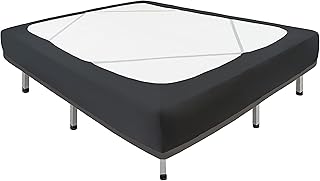
No, and a traditional box spring is actually the wrong support. Memory foam needs a solid platform or slats spaced under three inches apart. Wider gaps let the foam sag between slats, which voids most warranties and creates uneven support. A sheet of quarter-inch plywood over wide slats is a five-minute fix.
What does green tea foam actually do?
Green tea extract and activated charcoal are added to the foam to inhibit odor-causing bacteria and moisture buildup. It’s a genuine, modest improvement in freshness over time rather than a cooling technology.
Can I put a memory foam mattress directly on the floor?
Short-term, yes. Long-term, no. Without airflow underneath, moisture from your body condenses against the floor and invites mold on the mattress underside. If floor sleeping is the plan, add a slatted tatami base or lean the mattress against a wall a couple of times a week.
Final Thoughts
For most people the EGOHOME 8 Inch Green Tea hits the sweet spot: enough thickness for adult sleepers, the certifications that matter, and no fiberglass in the fire barrier. Step up to the Best Price Mattress 10 Inch Queen if it’s a bed you’ll sleep in every night, or drop to the Zinus 6 Inch Green Tea for bunks, guest rooms, and kids where clearance and cost matter more than plushness.