Key takeaways
- Match the light, not the aesthetic: Measure what your corner actually gets before you buy. North-facing rooms and hallway nooks suit snake and ZZ plants; calatheas and marantas want bright indirect light filtered through a sheer curtain, or they’ll crisp at the edges.
- Check pet safety honestly: Marantas and spider plants are non-toxic to cats and dogs. ZZ and snake plants contain calcium oxalates and will cause mouth irritation if chewed, so mount them high or skip them entirely in a home with a determined nibbler.
- Plan the pot before the plant: Most nursery plants ship in plastic with drainage holes. Decide now whether you’re drilling a decorative cachepot, adding a lava-rock layer, or using the nursery pot as a slip-in liner. Sealed ceramic with no outlet is how root rot starts.
- Buy starter plugs when you want volume: Two-inch plugs cost a fraction of mature specimens and root fast. If your plan involves filling a five-tier shelf or propagating gifts, start small and let them fill in over a season.
- Pair, don’t substitute: If someone in the house has asthma or seasonal allergies, run a HEPA unit sized to the room’s square footage and treat plants as the humidity and mood layer. The two solve different problems.
What's inside
Here’s the thing nobody tells you when you type “plant air purifier” into a search bar: the famous NASA study everyone cites was run in sealed chambers roughly the size of a phone booth. Scale that math up to a real bedroom with a leaky window and a cat, and you’d need something like a hundred pots to match one decent filter. That gap between marketing copy and physics is exactly where most buyers get burned — they spend forty dollars on a pothos expecting their allergies to vanish, then blame themselves when nothing changes.
So let’s reframe the goal. Plants do real work: they raise local humidity, soften hard surfaces acoustically, pull dust onto leaf surfaces where you can wipe it away, and measurably lower stress for the people living around them. What they don’t do is replace a HEPA unit. This guide covers the houseplants that genuinely earn a spot on a shelf or plant stand — chosen for durability, low-light tolerance, and how well they fit into DIY setups like corner risers, macramé hangers, and repurposed crates — plus the one mechanical purifier worth pairing them with. I’ve killed enough plants building out my own workshop shelving to know which ones forgive a missed watering.
As an Amazon Associate we earn from qualifying purchases.


How to Choose a Plant Air Purifier (2026)
- Match the light, not the aesthetic: Measure what your corner actually gets before you buy. North-facing rooms and hallway nooks suit snake and ZZ plants; calatheas and marantas want bright indirect light filtered through a sheer curtain, or they’ll crisp at the edges.
- Check pet safety honestly: Marantas and spider plants are non-toxic to cats and dogs. ZZ and snake plants contain calcium oxalates and will cause mouth irritation if chewed, so mount them high or skip them entirely in a home with a determined nibbler.
- Plan the pot before the plant: Most nursery plants ship in plastic with drainage holes. Decide now whether you’re drilling a decorative cachepot, adding a lava-rock layer, or using the nursery pot as a slip-in liner. Sealed ceramic with no outlet is how root rot starts.
- Buy starter plugs when you want volume: Two-inch plugs cost a fraction of mature specimens and root fast. If your plan involves filling a five-tier shelf or propagating gifts, start small and let them fill in over a season.
- Pair, don’t substitute: If someone in the house has asthma or seasonal allergies, run a HEPA unit sized to the room’s square footage and treat plants as the humidity and mood layer. The two solve different problems.
The Best Plant Air Purifier (2026)s Reviewed
Costa Farms Snake Plant
The structural workhorse — stiff vertical blades that read like sculpture next to mid-century furniture and survive a dim stairwell landing where nothing else will. Water it every three to four weeks in a well-drained pot and it will genuinely outlast most of your furniture.
Costa Farms ZZ Plant
Those glossy leaves look waxed because the plant stores water in underground rhizomes, which is why it shrugs off vacations and forgetful owners. It’s the plant I hand to anyone who insists they have a black thumb, and it holds its shape in a heavy floor planter without flopping.
Live Green Spider Plants (2 Starter Plugs)
Two plugs turn into a spilling, variegated cascade within a few months, and the runners give you free plants for every hook you install. Perfect for a DIY ceiling hanger or the top of a bookcase where the arching foliage has room to fall.
Rattlesnake Calathea
The most visually striking pick here, with wavy dark markings and deep purple undersides that catch side light beautifully. It demands consistent moisture and hates tap-water minerals, so keep a jug of filtered water nearby and treat it as an intermediate project, not a starter.
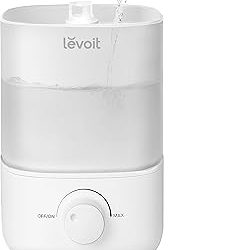
LEVOIT Core 300 Air Purifier
This is the unit that does the actual filtering — H13 True HEPA, AHAM-verified coverage, and a sleep mode quiet enough that I forget it’s running. Set it low near the floor for dust, keep the sides clear, and let your plants handle the corners it can’t.
Frequently Asked Questions
Do plants really purify indoor air?
Marginally, in real rooms. Peer-reviewed follow-ups to the original chamber studies found air exchange from a single cracked window outpaces a room full of foliage. Buy plants for humidity, texture, and wellbeing; buy a HEPA filter for particulates.
How many plants per room?
Design-wise, three at varying heights reads as intentional — a floor specimen, a mid-shelf pot, and something trailing. Beyond that you’re building a collection, which is a fine reason on its own.
Why do my leaf tips turn brown?
Usually dry air or fluoride and chlorine in tap water, especially on calatheas and marantas. Group plants together to raise local humidity and let water sit out overnight before pouring.
Can I use decorative pots without drainage?
Only as an outer sleeve. Keep the plant in a nursery pot inside it, lift it out to water at the sink, and let it drain fully before it goes back.
Final Thoughts
If you want one plant that never asks for anything, the Costa Farms Snake Plant is the answer, with the ZZ Plant a close second for shadier corners. Add the LEVOIT Core 300 if anyone in the house has allergies — that combination gives you the greenery you actually wanted and the clean air the plants alone were never going to deliver.