Key takeaways
- Verify the certification, not the adjective: GOTS covers the cotton and wool; GOLS covers the latex. A bed claiming “natural” or “eco” without either acronym is usually CertiPUR-US polyfoam, which certifies emissions only, not organic content.
- Favor medium over firm: Side sleepers need the top few inches to accept a shoulder. Medium and medium-firm let the joint sink while the coil layer underneath keeps the lumbar line straight.
- Look at the comfort layer depth: Under roughly two inches of latex or wool padding, you’ll feel the coils through your hip. Zoned pocket coils help, but they can’t compensate for a thin top.
- Check the wool, seriously: Wool batting is the unsung component here — it wicks moisture, buffers latex’s initial firmness, and passes flammability rules without chemical retardants or fiberglass.
- Plan for the weight: Latex hybrids run heavy, often north of 100 lb in a queen. Recruit a second person and clear your stair turns before delivery day.
What's inside
Side sleeping concentrates your whole body weight onto two narrow zones: the shoulder and the hip. If a mattress refuses to yield at those points, you wake up with a numb arm and an ache along your iliac crest. If it yields too much, your spine sags into a curve and your lower back pays for it by morning. Add the organic requirement to that balancing act and the shortlist gets short fast, because most “eco” mattresses on Amazon are polyfoam beds wearing a green label. The certifications that actually mean something — GOTS for cotton and wool, GOLS for latex — appear on a fraction of what’s listed.
I’ve pulled apart enough beds on a garage floor to know that construction tells you more than marketing copy. Below I’ve grouped genuinely certified organic latex hybrids alongside a few conventional hybrids worth knowing about if your budget won’t stretch, and I’m clear about which is which. You’ll also find the shoulder-and-hip logic I use when judging any side-sleeper mattress, plus answers to the questions that come up most often once people start reading spec sheets closely.
As an Amazon Associate we earn from qualifying purchases.


How to Choose an Organic Mattress For Side Sleepers (2026)
- Verify the certification, not the adjective: GOTS covers the cotton and wool; GOLS covers the latex. A bed claiming “natural” or “eco” without either acronym is usually CertiPUR-US polyfoam, which certifies emissions only, not organic content.
- Favor medium over firm: Side sleepers need the top few inches to accept a shoulder. Medium and medium-firm let the joint sink while the coil layer underneath keeps the lumbar line straight.
- Look at the comfort layer depth: Under roughly two inches of latex or wool padding, you’ll feel the coils through your hip. Zoned pocket coils help, but they can’t compensate for a thin top.
- Check the wool, seriously: Wool batting is the unsung component here — it wicks moisture, buffers latex’s initial firmness, and passes flammability rules without chemical retardants or fiberglass.
- Plan for the weight: Latex hybrids run heavy, often north of 100 lb in a queen. Recruit a second person and clear your stair turns before delivery day.
The Best Organic Mattress For Side Sleepers (2026)s Reviewed
11″ Organic Hybrid — GOTS Cotton & Wool, GOLS Latex, Medium (Queen)
This one hits every box I care about: GOLS latex over pocketed coils, GOTS cotton and wool for the cover and fire barrier, no polyfoam anywhere, and US assembly. The medium feel is the right call for side sleeping — the latex gives at the shoulder without the wallowing you get from thick memory foam.
My Green Mattress Kiwi Organic Hybrid Latex (Queen)
Hand-tufted rather than glued, which means fewer adhesives in the build and a top surface that stays put over years of use. The 7-zone coil unit is the standout feature for side sleepers, softening under the shoulder while firming up beneath the hips.
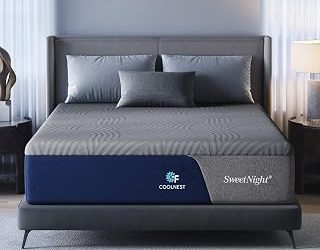
Sweetnight CoolNest 14″ Cooling Memory Foam (King)
Not an organic bed — this is CertiPUR-US foam, so treat it as a low-emission conventional option rather than a certified one. That said, 14 inches of zoned foam is generous pressure relief, and the cooling treatment addresses memory foam’s usual heat complaint.
Vibe Quilted Hybrid 12″ Pillow Top (Queen)
A conventional innerspring-and-gel-foam hybrid, fiberglass free, at a price that makes it a sensible guest room or teen room pick. The quilted pillow top gives side sleepers a bit of initial give, though it will compress noticeably sooner than latex.
DreamCloud 12″ Hybrid Memory Foam (Queen)
Also conventional, but the 365-night trial is the longest window on this list by a wide margin — useful because side-sleeper comfort issues often take weeks to surface. Its medium-firm build suits combination sleepers who spend part of the night on their back.
Frequently Asked Questions
Does organic latex feel like memory foam?
No. Latex pushes back and responds instantly, while memory foam sinks slowly and cradles. Side sleepers who dislike feeling stuck usually prefer latex; those who want a deep hug typically don’t.
Is CertiPUR-US the same as organic?
Not remotely. CertiPUR-US tests polyurethane foam for emissions and prohibited substances. It says nothing about organic materials, and only GOTS and GOLS certifications do.
Will a latex hybrid be too firm on my shoulder?
Only if the comfort layer is shallow. Choose medium, confirm at least two inches of latex above the coils, and give it two or three weeks — wool batting compresses into a softer cradle with use.
Do I need a specific foundation?
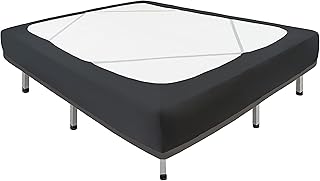
Slats spaced three inches or less, or a solid platform. Wider gaps let heavy latex sag between supports and can void warranty coverage.
Final Thoughts
If you want a genuinely certified organic bed built for side sleeping, the 11″ Organic Hybrid and the My Green Mattress Kiwi are the two real contenders here — both pair GOLS latex with GOTS cotton and wool, and both get the medium feel right. If the organic requirement is negotiable and you’d rather have a long trial period, DreamCloud’s 365 nights gives you room to be sure.