Key takeaways
- Depth over firmness ratings: Side sleepers need at least 2 inches of yielding material, ideally 3 to 4. Anything thinner bottoms out under the shoulder and you’re back to sleeping on your mattress. Firmness labels are marketing; thickness is measurable.
- Fill type matched to weight: Under roughly 150 lbs, plush fiber or down alternative gives enough sink. Above that, memory foam handles the load without collapsing flat within a few months.
- Zoned support: A topper with softer shoulder and hip zones and firmer lumbar sections keeps your spine straight instead of hammocking. Look for stated zone counts rather than uniform slabs if you have a history of back pain.
- Skirt depth and stretch: Measure your mattress before ordering. Pillow-top styles with 18 to 20 inch deep pockets stay put; shallow skirts pop off corners every few nights and drive you mad.
- Heat management: Sinking deeper means more of your body is wrapped in insulation. Gel infusion, ventilation channels, or a viscose-from-bamboo cover all measurably reduce the trapped-heat problem foam creates.
What's inside
Side sleeping puts your whole body weight through two narrow pressure zones: the shoulder and the hip. On a mattress that won’t yield in those spots, the spine kinks sideways and you wake up with a sore rotator cuff or a numb arm. Most people assume they need a whole new bed. In practice, a topper that lets the shoulder sink an inch or two while still holding the ribcage and waist level solves the problem for a fraction of the cost.
I’ve spent the last few seasons pulling toppers apart, checking baffle-box stitching, measuring how far foam compresses under a loaded shoulder, and washing covers until the elastic gave out. This guide covers what actually matters for side sleepers, how to match fill type to your body weight and bed height, and six toppers worth putting on a bed frame in 2026.
As an Amazon Associate we earn from qualifying purchases.



How to Choose a Mattress Toppers For Side Sleepers (2026)
- Depth over firmness ratings: Side sleepers need at least 2 inches of yielding material, ideally 3 to 4. Anything thinner bottoms out under the shoulder and you’re back to sleeping on your mattress. Firmness labels are marketing; thickness is measurable.
- Fill type matched to weight: Under roughly 150 lbs, plush fiber or down alternative gives enough sink. Above that, memory foam handles the load without collapsing flat within a few months.
- Zoned support: A topper with softer shoulder and hip zones and firmer lumbar sections keeps your spine straight instead of hammocking. Look for stated zone counts rather than uniform slabs if you have a history of back pain.
- Skirt depth and stretch: Measure your mattress before ordering. Pillow-top styles with 18 to 20 inch deep pockets stay put; shallow skirts pop off corners every few nights and drive you mad.
- Heat management: Sinking deeper means more of your body is wrapped in insulation. Gel infusion, ventilation channels, or a viscose-from-bamboo cover all measurably reduce the trapped-heat problem foam creates.
The Best Mattress Toppers For Side Sleepers (2026)s Reviewed
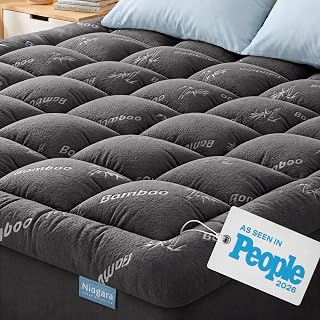
Niagara Sleep Solution Ultra Soft & Cooling Topper
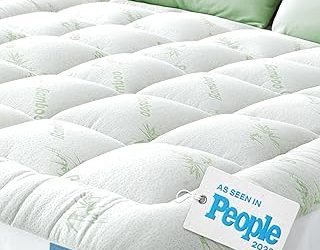
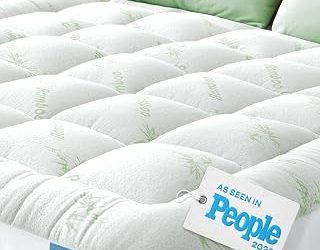
The 20-inch deep pocket is the standout here — it swallowed a 16-inch hybrid with room to spare and hasn’t shifted once. The rayon-from-bamboo surface sleeps genuinely cool, and the pillow-top loft gives lighter side sleepers enough shoulder give without the sunken feeling of foam.
BEDLORE Viscose Bamboo Pillow Top
The stretchable corner pockets are the smart bit of engineering, fitting anything from 6 to 18 inches without straining the seams. Fill distribution held up well after a wash cycle, which is where cheaper fiber toppers usually clump into ridges.
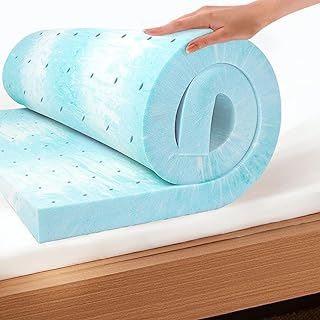
EGO 3 Inch Gel Memory Foam Topper
Three inches is the sweet spot for heavier side sleepers, and the ventilation channels through the slab make a real difference to airflow compared to solid foam. CertiPUR-US certified, and the off-gassing cleared within about two days on a well-aired bed.
LUCID 2 Inch 5-Zone Gel Memory Foam
The five-zone layout is the best value in zoned support I’ve tested — softer under shoulders and hips, firmer through the lumbar region. At 2 inches it’s best for lighter frames or as a tune-up on a mattress that’s only slightly too firm.
Extra Thick 1000GSM Down Alternative Topper (King)
A 1000GSM fill weight puts this well above typical plush pads, and the loft holds through the night rather than flattening by 2am. The 8 to 21 inch pocket range makes it the easiest recommendation for anyone with an unusually tall mattress.
Frequently Asked Questions
How thick should a topper be for side sleeping?
Two inches minimum, three to four if you weigh over 180 lbs or have persistent shoulder pain. A hybrid build like the 4.5-inch Full topper — 2.5 inches of foam under a 2-inch pillow top — gives sink and surface comfort together.
Will memory foam make me overheat?
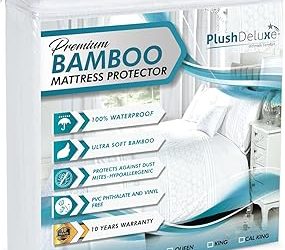
It can, but gel infusion and ventilation cut it substantially. Pair a foam topper with a percale or bamboo-viscose sheet rather than jersey, and skip the waterproof protector unless you need one.
Can a topper fix an old sagging mattress?
No. A topper improves surface comfort but can’t rebuild lost support. If you can see a dip with the bed stripped, replace the mattress.
How long do these last?
Quality foam runs three to five years. Fiber and down alternative pads compress faster — expect two to three years before the loft goes.
Final Thoughts
For most side sleepers, the EGO 3 Inch Gel Memory Foam Topper hits the best balance of pressure relief and airflow at a sensible price. If you prefer a plush surface to a sinking one, the Niagara Sleep Solution topper handles deep mattresses better than anything else here, while the LUCID 5-Zone is the pick for lighter sleepers who want targeted lumbar support without adding much height.