Key takeaways
- Coil construction: Individually pocketed springs move independently, which is what kills motion transfer across a 76-inch-wide bed. Look for encased or pocket coil language rather than a connected innerspring unit, especially if you and your partner keep different hours.
- Profile height: A 16-inch mattress needs deep-pocket sheets and changes the height of your bed frame noticeably. Measure your headboard and nightstand before committing, because a tall build on a tall foundation gets awkward fast.
- Zoning: Five- and seven-zone layouts vary firmness across the surface so your shoulders sink while your lumbar stays supported. Side sleepers benefit most; strict back sleepers can weigh this less heavily.
- Heat management: Airflow beats gimmicks. Breathable side panels, open coil chambers, and a cover knit designed to wick will do more than a single infused layer buried under three inches of foam.
- Trial window and certification: Bodies take two to three weeks to adjust, so a long sleep trial is real insurance. CertiPUR-US certification confirms the foam was made without certain flame retardants and heavy metals.
What's inside
Buying a king mattress online feels a lot like ordering lumber sight unseen: the specs look great on paper, but you don’t know how it behaves until it’s in your hands. Coil counts, foam densities, and zone maps get thrown around like they’re self-explanatory, and the marketing language blurs together until every option sounds identical. Meanwhile you’re the one who has to wrestle 130 pounds of compressed foam up a staircase and hope the thing suits your hips and shoulders once it expands.
This guide takes the tinkerer’s approach. I’ve broken down what actually matters in a hybrid king build — the coil unit, the comfort layers stacked on top, and how heat moves through the whole assembly — so you can read a spec sheet the way you’d read a cut list. Below you’ll find the models worth your money in 2026, plus the buying criteria I’d use if I were sourcing one for my own bedroom.
As an Amazon Associate we earn from qualifying purchases.


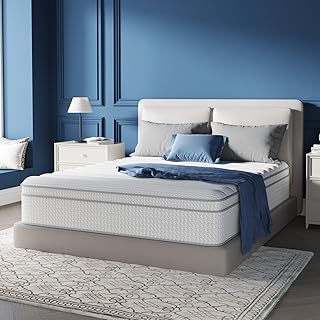
How to Choose a Hybrid King Mattress (2026)
- Coil construction: Individually pocketed springs move independently, which is what kills motion transfer across a 76-inch-wide bed. Look for encased or pocket coil language rather than a connected innerspring unit, especially if you and your partner keep different hours.
- Profile height: A 16-inch mattress needs deep-pocket sheets and changes the height of your bed frame noticeably. Measure your headboard and nightstand before committing, because a tall build on a tall foundation gets awkward fast.
- Zoning: Five- and seven-zone layouts vary firmness across the surface so your shoulders sink while your lumbar stays supported. Side sleepers benefit most; strict back sleepers can weigh this less heavily.
- Heat management: Airflow beats gimmicks. Breathable side panels, open coil chambers, and a cover knit designed to wick will do more than a single infused layer buried under three inches of foam.
- Trial window and certification: Bodies take two to three weeks to adjust, so a long sleep trial is real insurance. CertiPUR-US certification confirms the foam was made without certain flame retardants and heavy metals.
The Best Hybrid King Mattresses (2026) Reviewed
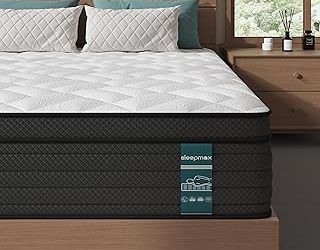
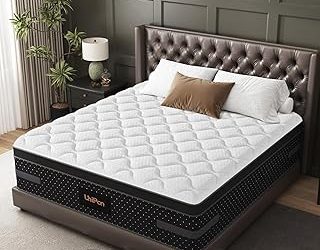
16 Inch Upgraded Luxury Hybrid King
The tallest build here, pairing a 7-zone support core with enough comfort layering to genuinely cradle heavier frames without bottoming out. The 365-night trial is the standout — a full year is rare, and it removes most of the risk from buying a king you can’t test in person.
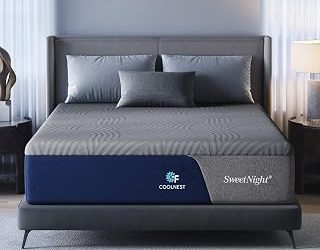
Sweetnight CoolNest Hybrid 14 Inch
A pillow-top hybrid with four separate breathability stages working in sequence, which is a smarter approach than relying on one cooling gimmick. If you sleep hot and still want the plush surface feel of a euro-top, this is the most direct answer on the list.
Avenco SleepSphere 12 Inch Hybrid
Medium plush with a euro top over pocketed springs and Avenco’s SmartS coil design, hitting a comfortable middle ground for couples who can’t agree on firmness. At 12 inches it works with standard sheets and existing frames, which saves you a secondary purchase.
Sealy Dreamlife 12″ Hybrid
The name brand pick, combining SealyComfort gel memory foam with responsive encased coils and a Surface-Guard treatment on the cover. Sealy’s quality control is more consistent than most direct-to-consumer outfits, which matters when you’re buying blind.
Sweetnight CoolNest 14 Inch Memory Foam
Not a hybrid in the strict sense, but worth including for anyone who prefers the contouring hug of all-foam with 5-zone ergonomic shaping underneath. CertiPUR-US certified and a medium feel, so it lands softer than the spring-based options above.
Frequently Asked Questions
Do hybrid mattresses need a box spring?
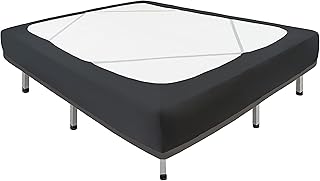
No. They need a flat, supportive base — a platform frame, slats spaced no more than three inches apart, or a solid foundation. Wide slat gaps let the coil unit flex unevenly and can void your warranty.
How long does off-gassing take?
Most of the smell clears within 48 to 72 hours in a ventilated room. Unbox it in the morning, crack a window, and let it expand fully before putting sheets on.
Are hybrids better than all-foam for hot sleepers?
Generally yes. The coil layer creates open air channels that foam simply can’t replicate, so heat has somewhere to go instead of pooling under your body.
Can I flip a hybrid mattress?
No — these are single-sided builds with the comfort layers on top only. Rotate them head to foot every three to six months instead to even out wear.
Final Thoughts
If you want maximum support and the safety net of a year-long trial, the 16 Inch Upgraded Luxury Hybrid is the strongest overall buy. Hot sleepers should go straight to the Sweetnight CoolNest Hybrid 14 Inch for its layered cooling approach, while the Avenco SleepSphere offers the best balance of price, plush feel, and frame compatibility for most bedrooms.