Key takeaways
- Foam density over foam thickness: A 14-inch bed built from 2.5 lb/ft³ foam will pack down faster than a 12-inch bed using 4 lb/ft³ base foam. Density is the load-bearing number. If a listing hides it, treat that as an answer.
- Total height of at least 12 inches: Heavier sleepers compress deeper into the stack, so you need enough material below the comfort layer to keep the spine level. Twelve inches is the floor; 14 gives you real margin.
- Perimeter reinforcement: Edges fail first. Look for a firmer foam rail or a denser coil row around the border, otherwise sitting to put on shoes will crush one side of the bed within months.
- Airflow built into the structure: More body mass means more heat with less surface area to shed it. Ventilated foam channels, gel infusion, or an open coil layer all beat a solid slab of memory foam.
- Warranty sag threshold: Check the indentation depth that triggers a claim. Anything over 1.5 inches means the maker expects sag and has written itself an exit. Under an inch signals real confidence in the build.
What's inside
If you’ve ever built a workbench, you know the difference between a top that flexes under load and one that stays dead flat. Mattresses work the same way. Most beds marketed as “firm” are tuned around a 150-pound sleeper, so anyone carrying 230 pounds or more sinks past the comfort layer and lands on whatever structure sits underneath. The result is a hammock-shaped sleep surface, hips lower than shoulders, and a lower back that spends eight hours doing damage control. Add the compression set that cheap foam develops after a year, and the sag becomes permanent.
The fix comes down to material density, total build height, and how the layers are stacked, not the marketing label on the box. This guide walks through the specs that actually predict long-term support for heavier bodies, then breaks down six mattresses that hold their geometry under real weight. Each pick is judged on foam density, edge stability, cooling, and how the warranty defines a failure, because that last detail tells you more about a manufacturer’s confidence than any comfort rating ever will.
As an Amazon Associate we earn from qualifying purchases.


How to Choose a Firm Mattress For Heavy People (2026)
- Foam density over foam thickness: A 14-inch bed built from 2.5 lb/ft³ foam will pack down faster than a 12-inch bed using 4 lb/ft³ base foam. Density is the load-bearing number. If a listing hides it, treat that as an answer.
- Total height of at least 12 inches: Heavier sleepers compress deeper into the stack, so you need enough material below the comfort layer to keep the spine level. Twelve inches is the floor; 14 gives you real margin.
- Perimeter reinforcement: Edges fail first. Look for a firmer foam rail or a denser coil row around the border, otherwise sitting to put on shoes will crush one side of the bed within months.
- Airflow built into the structure: More body mass means more heat with less surface area to shed it. Ventilated foam channels, gel infusion, or an open coil layer all beat a solid slab of memory foam.
- Warranty sag threshold: Check the indentation depth that triggers a claim. Anything over 1.5 inches means the maker expects sag and has written itself an exit. Under an inch signals real confidence in the build.
The Best Firm Mattress For Heavy People (2026)s Reviewed
BedStory Extra Firm 14″
This is the pick I’d hand to someone who has already worn out two mattresses. The hybrid build pairs a tall coil unit with firm foam over the lumbar and hip zones, so load spreads across springs rather than compressing a single foam layer, and the 365-night trial gives you a full seasonal cycle to confirm it holds. Fiberglass-free construction is a genuine plus if you ever need to remove the cover.
SLEEP100 14″ Extra Firm
The firmest all-foam option here, tuned toward spinal alignment rather than plushness, with ventilated gel-infused foam handling the heat that dense foam usually traps. If you sleep on your back or stomach and want a surface that pushes back, this is the closest thing to a flat, supported platform in an all-foam format.
DreamCloud 12″ Hybrid
A well-balanced hybrid that gives you coil support without the board-like feel of extra-firm foam, making it the smart middle ground for couples with different weights. The 365-night trial matters more than usual here, since a medium-firm hybrid takes a few weeks of break-in before you know whether it’s carrying you properly.
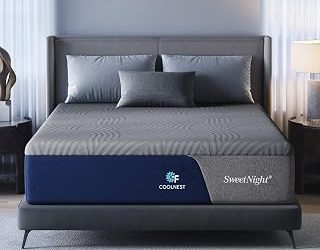
Sweetnight CoolNest 14″
Five-zone construction firms up under the hips and softens at the shoulders, which addresses the exact alignment problem heavier side sleepers run into. It reads medium rather than firm, so it suits sleepers in the 230 to 275 pound range better than those well above it.
Sealy Dreamlife 14″
Sealy’s transition layer is the quiet hero, bridging the gel memory foam top and the support core so you don’t hit an abrupt density change mid-compression. It’s the safe, familiar choice from a brand with decades of durability data behind its foam formulations.
Frequently Asked Questions
Is a firm mattress always better for heavier sleepers?
Not automatically. What you need is support, meaning the bed keeps your spine level. A bed can feel firm at the surface and still bottom out. Judge it by whether your hips stay in line with your shoulders after twenty minutes.
Do I need a special foundation?
Yes. Slats spaced more than three inches apart let foam bulge through and void most warranties. Add a plywood sheet or a center-supported platform frame; it’s a twenty-dollar fix that protects a much larger purchase.
How long should one of these last?
Six to eight years with a dense build, three to four with a budget one. Rotate it head to foot every three months to spread the wear pattern.
Hybrid or all-foam?
Hybrids generally hold up better above 250 pounds because coils resist compression set. All-foam wins on motion isolation and quiet.
Final Thoughts
For most heavier sleepers, the BedStory Extra Firm 14″ is the strongest all-round choice thanks to its coil-backed lumbar support and year-long trial window. If you want maximum pushback from an all-foam bed, the SLEEP100 14″ Extra Firm delivers it, while the DreamCloud 12″ Hybrid is the better compromise for mixed-weight couples who don’t want to argue about firmness every night.