Key takeaways
- Air versus water: Fan-driven pads like the B10 push ambient air through channels and typically pull the surface down 7–12°F, which is plenty for most hot sleepers. Hydro-powered designs like the SAITRIO Air1 circulate liquid, so they hold a steadier surface temperature but add a reservoir you’ll need to top off.
- Pad thickness and feel: A thick topper changes how your mattress sleeps. If you already like your bed, go as thin as possible. Ultra-thin pads disappear under a fitted sheet; bulkier cotton toppers add a little loft you may or may not want.
- Noise at your ear, not on paper: Decibel claims mean little. What matters is whether the unit’s lowest usable speed is quiet enough to sleep through, and whether you can set the control box on carpet or a towel to kill vibration transfer through the floor.
- Hose length and placement: Measure from your mattress edge to the nearest outlet before buying. Short hoses force the unit into the walkway, which is how they get kicked. Extra slack lets you tuck everything behind the nightstand.
- Serviceability: Look for a washable pad, a removable filter or intake screen you can vacuum, and a remote that runs on standard batteries. Sealed, glue-together designs are the ones that end up in a landfill after two summers.
What's inside
Anyone who has spent a July night flipping the pillow, kicking off the duvet, and then waking at 3 a.m. in a damp t-shirt knows the truth about “cooling” bedding: most of it is a coating, not a cooling system. Phase-change covers feel nice for the first ten minutes, gel foam absorbs heat until it saturates, and cranking the central air to fix one bedroom means paying to chill an entire house. What actually works is moving heat away from the mattress surface continuously, all night, using a fan or a water loop instead of hoping a fabric finish can outrun your body’s 100-watt output.
This guide is written from a tinkerer’s bench rather than a showroom floor. I care about how the tubing routes behind a headboard, whether the control unit hums at a pitch you can ignore, how the pad survives being pulled tight under a fitted sheet, and whether you can service or replace the parts that wear out first. Below are the active cooling systems worth your money in 2026, followed by the buying criteria I’d use before ordering, honest notes on each pick, and answers to the questions that come up once the box is open.
As an Amazon Associate we earn from qualifying purchases.




How to Choose a/an Mattress Cooling System (2026)
- Air versus water: Fan-driven pads like the B10 push ambient air through channels and typically pull the surface down 7–12°F, which is plenty for most hot sleepers. Hydro-powered designs like the SAITRIO Air1 circulate liquid, so they hold a steadier surface temperature but add a reservoir you’ll need to top off.
- Pad thickness and feel: A thick topper changes how your mattress sleeps. If you already like your bed, go as thin as possible. Ultra-thin pads disappear under a fitted sheet; bulkier cotton toppers add a little loft you may or may not want.
- Noise at your ear, not on paper: Decibel claims mean little. What matters is whether the unit’s lowest usable speed is quiet enough to sleep through, and whether you can set the control box on carpet or a towel to kill vibration transfer through the floor.
- Hose length and placement: Measure from your mattress edge to the nearest outlet before buying. Short hoses force the unit into the walkway, which is how they get kicked. Extra slack lets you tuck everything behind the nightstand.
- Serviceability: Look for a washable pad, a removable filter or intake screen you can vacuum, and a remote that runs on standard batteries. Sealed, glue-together designs are the ones that end up in a landfill after two summers.
The Best Mattress Cooling System (2026)s Reviewed
B10 Bed Cooling System (Twin)
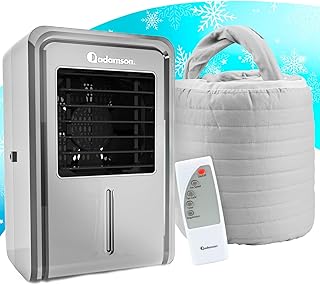
The B10 is the straightforward pick: a 100% cotton pad, four fan speeds, and a remote, delivering a claimed 7–12°F drop at the sleep surface. It’s the system I’d hand to someone who wants the night-sweat problem solved this week without rethinking their entire bed.
B10 Cooling Pad for Two-Zone Sleepers
Because the B10 comes in twin, two units side by side on a king or queen frame give each sleeper an independent setting, which is far cheaper than a dual-zone flagship. Route both hoses to the same side of the bed and label the remotes, or you’ll spend a week cooling your partner by mistake.
SAITRIO Bed Cooling System Air1 (Full)
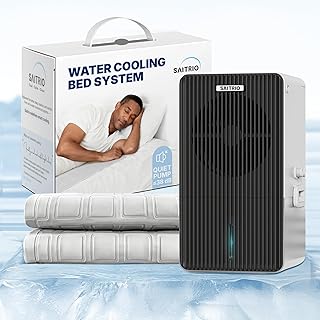
The Air1 is hydro-powered and genuinely thin, so it slips under a fitted sheet without altering the feel of your mattress, and it runs quietly enough for light sleepers. The tradeoff is maintenance: water systems need occasional refilling and a clean reservoir, so budget five minutes a month.
B10 for Guest Rooms and Spare Beds
Twin-size active cooling is a smart upgrade for a guest bed or daybed that sits in a warm upstairs room. It stores flat, sets up in minutes, and the remote means visitors don’t need a tutorial.
B10 as the Budget Night-Sweat Fix
If you’re weighing a cooling mattress against a cooling pad, the math favors the pad by a wide margin: you keep the mattress you already own and add the part that does the actual work. For hormonal night sweats or a hot bedroom above a garage, this is the highest-value change you can make.
Frequently Asked Questions
Do these systems work in a hot room without air conditioning?
Fan-based pads cool relative to ambient air, so in a 85°F bedroom you’ll feel improvement but not refrigeration. Water-based systems hold temperature more consistently in warm rooms.
How much electricity do they use?
Far less than air conditioning, since you’re cooling roughly six square feet instead of a room. Running one overnight is closer to a box fan than a window unit.
Will I get condensation on the mattress?
Not under normal use. Keep the unit’s intake unobstructed and avoid stacking a waterproof protector on top of the pad, which traps moisture and defeats the airflow.
Can I wash the pad?
Cotton pads generally handle gentle machine washing once disconnected, but check the included instructions before the first wash and never submerge the control unit or hoses.
Final Thoughts
For most hot sleepers, the B10 Bed Cooling System is the practical choice: cotton surface, four speeds, remote control, and a 7–12°F drop where it counts, with the option to run two twins for independent zones. If you want the thinnest possible setup and steadier temperature control, the SAITRIO Air1 is worth the extra maintenance, and a spare B10 in the guest room is one of those upgrades visitors quietly remember.