Key takeaways
- Steam pressure vs. steam volume: Uprights produce low-pressure vapor that’s great for sanitizing flat tile. Pressurized canister units force steam into grout channels. If your joints are the problem, pressure wins.
- Pad design and swap-ability: Look for scrubby textured pads rather than smooth microfiber, and check that replacements are cheap and widely stocked. Pads wear out fastest of any component.
- Tank size and refill access: A 12–16 oz tank runs roughly 10–15 minutes. Removable tanks let you refill at the sink without dragging the whole machine over; fixed tanks mean a pitcher and patience.
- Cord length: 20 feet is the practical minimum for a bathroom plus hallway. Anything shorter means unplugging mid-job, which is how you end up stopping early.
- Attachments that reach corners: Detachable handhelds with a detail brush turn a floor mop into a tool that handles backsplash, shower niches, and toilet bases. That versatility is what justifies the storage space.
What's inside
Grout is the enemy. You can mop tile until the surface gleams and still see those dingy gray lines running between every square, because a sponge mop just glides over the recessed joints and pushes dirty water into them. Anyone who has knelt on a bathroom floor with a toothbrush and a bottle of bleach knows the problem: tile is easy, grout is the actual job. Steam changes the equation by loosening soil with heat and pressure instead of chemistry, so the grime lifts out rather than getting smeared around.
I’ve tested and torn down enough of these machines to know which specs matter and which are marketing filler. This guide breaks down six steam mops that genuinely perform on tile and grout, from lightweight uprights for weekly upkeep to a full canister rig for deep-cleaning a neglected shower surround. Below you’ll also find a buying checklist based on the parts that actually fail, plus answers to the questions that come up most often once the unit is out of the box.
As an Amazon Associate we earn from qualifying purchases.



How to Choose a Steam Mop For Tiles (2026)
- Steam pressure vs. steam volume: Uprights produce low-pressure vapor that’s great for sanitizing flat tile. Pressurized canister units force steam into grout channels. If your joints are the problem, pressure wins.
- Pad design and swap-ability: Look for scrubby textured pads rather than smooth microfiber, and check that replacements are cheap and widely stocked. Pads wear out fastest of any component.
- Tank size and refill access: A 12–16 oz tank runs roughly 10–15 minutes. Removable tanks let you refill at the sink without dragging the whole machine over; fixed tanks mean a pitcher and patience.
- Cord length: 20 feet is the practical minimum for a bathroom plus hallway. Anything shorter means unplugging mid-job, which is how you end up stopping early.
- Attachments that reach corners: Detachable handhelds with a detail brush turn a floor mop into a tool that handles backsplash, shower niches, and toilet bases. That versatility is what justifies the storage space.
The Best Steam Mop For Tiles (2026)s Reviewed
BISSELL PowerFresh 1940A
The flip-down scrubber strip on the mop head is the detail that earns this one its reputation: it gives you something rigid to work against baked-on spots without swapping tools. Variable steam control means you can dial it back for sealed stone and crank it up for a mudroom floor, and the 12-inch head covers open tile quickly.
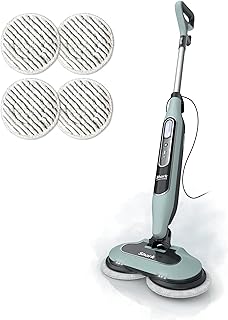
Shark Steam & Scrub S8001
The double-sided rotating pad does the scrubbing motion for you, which is a genuine advantage on textured or slate-look tile where a static pad tends to skip over the low spots. LED headlights sound gimmicky until you use them on a dark bathroom floor and spot the grit you’d been missing.
McCulloch MC1385 Canister
This is the tool for grout restoration rather than routine cleaning. Real boiler pressure plus a nylon detail brush blasts soil out of joints instead of wiping over them, and the 23-piece kit means one machine handles grout, upholstery, and car interiors.
Shark SteamSpot S2001
The Steam Blaster jet concentrates output at a single point, which is exactly what you want for a stubborn patch of dried spill or a grimy grout intersection. It’s light, cheap, and the removable XL tank makes refills painless, though the narrower head means more passes on big floors.
10-in-1 Detachable Steam Mop
Ten seconds to heat and a handheld that pops off the wand make this the most convenient pick for small-space tile. At 248°F it sanitizes effectively, and the same unit will tackle a grill grate or a car’s cup holders once the floors are done.
Frequently Asked Questions
Will steam damage my tile or grout?
Glazed ceramic and porcelain handle steam without issue. Unsealed grout and natural stone are the exceptions: repeated high-heat steam can erode old grout or strip stone sealer, so use a lower setting and reseal on your normal schedule.
Do I need cleaning solution?
No, and most manufacturers void warranties if you add it. Heat and moisture do the work; detergent in the tank clogs the boiler and leaves residue that attracts dirt faster than it removes it.
Should I use tap or distilled water?
Distilled if your water is hard. Mineral scale builds inside the heating element and gradually chokes steam output, and that’s the most common cause of a mop dying early.
How often should I steam tile floors?
Weekly for kitchens and entryways, biweekly elsewhere. Always dry-sweep or vacuum first, otherwise loose grit turns into mud under the pad and you’re just relocating dirt.
Final Thoughts
For most homes, the BISSELL PowerFresh 1940A is the sensible default: variable steam, a built-in scrubber, and a wide head make quick work of routine tile. If your grout has been neglected for years, spend the extra on the McCulloch MC1385 and its pressurized detail brushes. And for tight bathrooms or anyone who wants one tool for floors, glass, and grill grates, the Shark SteamSpot S2001 delivers targeted steam without the bulk.