Key takeaways
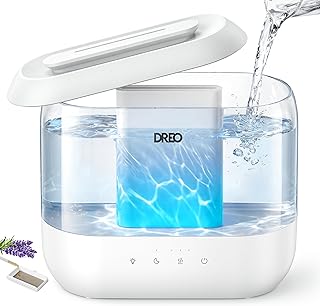
- Top-fill tank: Bottom-fill units mean carrying a sloshing tank to the sink and flipping it upside down over a base. A wide top-fill opening lets you pour from a pitcher without moving the unit at all — the single biggest quality-of-life difference in daily use.
- Measured noise, not marketing noise: Look for a rated figure in the 24–28 dB range. Anything above roughly 30 dB starts competing with a white-noise machine instead of blending into it.
- Cool mist only: Skip warm-mist and steam vaporizers in a room a toddler can reach. There’s no thermal burn risk with an ultrasonic cool-mist unit, and no heating element to descale.
- Cleanable internals: Pick a design where the tank mouth fits your hand and the base reservoir wipes out with a cloth. Narrow necks and hidden channels grow biofilm you can’t see, which is how a humidifier becomes an aerosol problem.
- Runtime versus footprint: A 2L tank running 24 hours suits a small room and a nightly refill habit. Step up to 3–4L if you want to fill every other day or you’re covering a larger space, and confirm the unit physically fits the dresser top you have.
What's inside
Dry nursery air announces itself before you ever look at a hygrometer: a crusty little nose at 3 a.m., static crackling off the crib sheet, a cough that shows up only indoors. Once the furnace runs all night, relative humidity in a small bedroom can slide into the 20s, well below the 40–60% band pediatricians and woodworkers both care about. If you’ve ever watched a solid-wood crib rail develop a hairline check over one winter, you already know the stakes go beyond comfort.
I approach humidifiers the way I approach any shop tool: measure first, then buy for serviceability. This guide covers what actually matters in a nursery unit in 2026 — tank geometry you can reach into, decibel levels that sit under a sleeping baby’s noise floor, and cleaning access that doesn’t require a bottle brush and a prayer. Below are the models worth your money, plus the selection criteria I’d hand a friend building out their first nursery.
As an Amazon Associate we earn from qualifying purchases.




How to Choose a Nursery Humidifier (2026)
- Top-fill tank: Bottom-fill units mean carrying a sloshing tank to the sink and flipping it upside down over a base. A wide top-fill opening lets you pour from a pitcher without moving the unit at all — the single biggest quality-of-life difference in daily use.
- Measured noise, not marketing noise: Look for a rated figure in the 24–28 dB range. Anything above roughly 30 dB starts competing with a white-noise machine instead of blending into it.
- Cool mist only: Skip warm-mist and steam vaporizers in a room a toddler can reach. There’s no thermal burn risk with an ultrasonic cool-mist unit, and no heating element to descale.
- Cleanable internals: Pick a design where the tank mouth fits your hand and the base reservoir wipes out with a cloth. Narrow necks and hidden channels grow biofilm you can’t see, which is how a humidifier becomes an aerosol problem.
- Runtime versus footprint: A 2L tank running 24 hours suits a small room and a nightly refill habit. Step up to 3–4L if you want to fill every other day or you’re covering a larger space, and confirm the unit physically fits the dresser top you have.
The Best Nursery Humidifiers (2026) Reviewed
Levoit Top Fill 2.5L Cool Mist Humidifier
The 2.5L top-fill design and 28 dB rating make this the default recommendation for most nurseries — you refill it in place, and the auto shut-off handles the nights you forget to check. The wide opening is genuinely hand-sized, which is the detail that keeps people actually cleaning it weekly instead of monthly.
DREO 3L Humidifier (New Edition)
Precise humidity control is the standout here: set a target percentage and the unit cycles to hold it rather than blasting mist until the tank runs dry. At 26 dB with 30 hours of runtime and a dimmable night light, it’s the pick if you want set-and-forget behavior over manual fiddling.
Vicks 3-in-1 SleepyTime Cool Mist Humidifier
Built around the Vicks SleepyTime VapoPad slot, this one earns its place if you want the option of scented pads for older kids alongside plain mist for infants. The color-changing night light doubles as a soft nursing lamp, though the tank is smaller than the DREO units.
DREO 4L HM311 Humidifier
Four liters and 36 hours of runtime mean you’re filling this roughly every day and a half, which matters in a larger or drafty room. BPA-free construction and a 28 dB rating keep it nursery-appropriate; just measure your dresser before committing to the footprint.
Clarston 2L Cool Mist Humidifier
At 24 dB this is the quietest unit on the list, and the 360° nozzle lets you aim mist away from walls and finished wood — worth doing if the humidifier sits near a painted surface. The 2L tank and 25-hour runtime fit small nurseries and nightly-refill routines well.
Frequently Asked Questions
What humidity level should a nursery sit at?
Aim for 40–50%, and don’t exceed 60%. Buy a cheap standalone hygrometer and place it across the room from the humidifier — the unit’s own sensor reads the mist plume, not the room.
How often does it really need cleaning?
Rinse and dry the tank daily, and do a vinegar or citric-acid soak of the tank and base weekly. Standing water plus warm air is a bacterial culture; skipping this defeats the whole purpose.
Do I need distilled water?
With ultrasonic units, yes if your tap water is hard. Minerals get atomized into that fine white dust you’ll find on the crib and the changing table. Distilled water eliminates it and cuts scale buildup in the base.
Where should I place the unit?
Three feet or more from the crib, on a hard surface, with the nozzle pointed toward open floor. Never on carpet or unsealed wood — overspray will find the seams.
Final Thoughts
For most nurseries, the Levoit Top Fill 2.5L hits the right balance of quiet operation, easy refills, and honest cleanability. If you’d rather dial in a humidity target and leave it alone, go with the DREO 3L New Edition; for larger rooms and fewer refills, the DREO 4L HM311 is the one I’d put on the dresser.