Key takeaways
- Read the layer stack, not the thickness: A 14-inch mattress with eight inches of soft comfort foam will sag before a 12-inch one with a dense support core. Ask what sits under the top layer — that’s the part doing the structural work and the part that determines lifespan.
- Match firmness to sleep position: Side sleepers need give at the shoulder and hip, so medium plush works. Back and stomach sleepers need the hips held level with the spine, which means medium firm or firmer. Guessing here is the single most common buying mistake.
- Verify CertiPUR-US and fiberglass-free: CertiPUR-US covers emissions, content, and durability testing on the foam. Separately, confirm the fire barrier isn’t fiberglass — if that cover ever tears, fiberglass migration is a genuine mess to remediate.
- Treat cooling claims as marginal, not magic: Gel infusions and green tea additives help slightly with initial heat and odor. Real airflow comes from open-cell or perforated foam and a breathable knit cover. If you sleep hot, prioritize structure over marketing.
- Check the trial window before the warranty: Memory foam needs two to four weeks to break in and for your body to adapt. A generous sleep trial matters more than a 10-year warranty you’ll never successfully claim.
What's inside
Buying a mattress online feels like guesswork. You can’t lie on it, the spec sheets all blur together, and every listing promises the same three things: cooling, pressure relief, spinal alignment. Meanwhile the real differences — how much the foam sinks after six months, whether that “cooling gel” does anything past hour two, how the thing behaves when your partner rolls over at 3 a.m. — are exactly what the copy leaves out. If you’ve ever unboxed a mattress and thought “this is not what I ordered,” you know the problem.
I approach mattresses the way I approach any build: look at the materials, the layer stack, the certifications, and what the construction is actually doing. This guide covers six queen memory foam mattresses worth your attention in 2026, from budget compressed-foam options to 14-inch builds aimed squarely at back pain. I’ll tell you what each one is genuinely good at, what it isn’t, and how to match the layer stack to the way you sleep.
As an Amazon Associate we earn from qualifying purchases.



How to Choose a Memory Foam Queen Mattress (2026)
- Read the layer stack, not the thickness: A 14-inch mattress with eight inches of soft comfort foam will sag before a 12-inch one with a dense support core. Ask what sits under the top layer — that’s the part doing the structural work and the part that determines lifespan.
- Match firmness to sleep position: Side sleepers need give at the shoulder and hip, so medium plush works. Back and stomach sleepers need the hips held level with the spine, which means medium firm or firmer. Guessing here is the single most common buying mistake.
- Verify CertiPUR-US and fiberglass-free: CertiPUR-US covers emissions, content, and durability testing on the foam. Separately, confirm the fire barrier isn’t fiberglass — if that cover ever tears, fiberglass migration is a genuine mess to remediate.
- Treat cooling claims as marginal, not magic: Gel infusions and green tea additives help slightly with initial heat and odor. Real airflow comes from open-cell or perforated foam and a breathable knit cover. If you sleep hot, prioritize structure over marketing.
- Check the trial window before the warranty: Memory foam needs two to four weeks to break in and for your body to adapt. A generous sleep trial matters more than a 10-year warranty you’ll never successfully claim.
The Best Memory Foam Queen Mattresses (2026) Reviewed
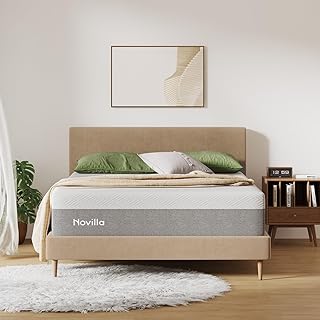
Novilla Bliss 12-Inch Gel Memory Foam Queen
The Bliss leans medium plush, which makes it a natural fit for side sleepers who want the shoulder to sink without the hips following. Gel-infused comfort foam over a firmer support base gives you decent motion isolation at a price point where that’s usually the first thing sacrificed.
Nectar 12-Inch Memory Foam Queen
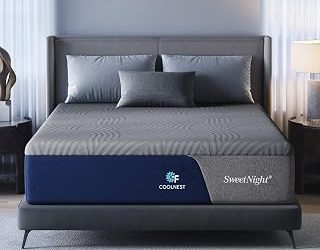
Nectar’s medium firm build is the safest recommendation here — balanced enough for back, side, and combination sleepers, with a denser core that holds its shape better than most in this category. The year-long trial is the real differentiator: it removes essentially all of the risk from buying a mattress you can’t test first.
Signature Design by Ashley 12-Inch Chime
The Chime is the straightforward, no-frills pick: CertiPUR-US foam, a stretch knit cover, and a 12-inch profile that expands cleanly out of the box with minimal fuss. Motion isolation is its quiet strength, making it a sensible choice for guest rooms or a first mattress that doesn’t need to do anything clever.
ESHINE 14-Inch Gel Memory Foam Queen
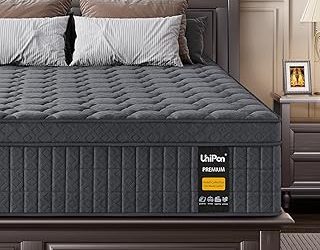
At 14 inches with a US-made, green tea–infused foam stack, this is the one I’d point back-pain sufferers toward — the extra height means more room for a substantial support layer under the pressure-relieving top. The dark grey cover is also a practical touch if you’d rather not stare at every stain a white mattress collects.
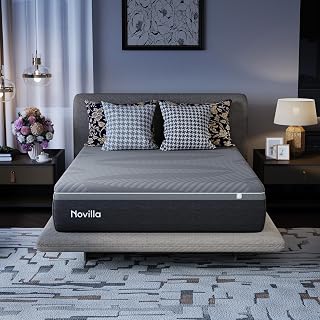
Novilla AiryFlow 12-Inch Queen
The AiryFlow is the firmer sibling to the Bliss, built for back and stomach sleepers who need their hips kept in line with their spine. Green tea infusion and CertiPUR-US certified foam address off-gassing better than most budget builds, though give it a few days in a ventilated room regardless.
Frequently Asked Questions
How long does a compressed mattress take to fully expand?
Most reach usable shape in 24 to 48 hours, but full recovery of the foam cells can take up to 72. Unbox it in a warm room — cold foam expands noticeably slower, which is why winter deliveries seem defective and aren’t.
Do I need a box spring?
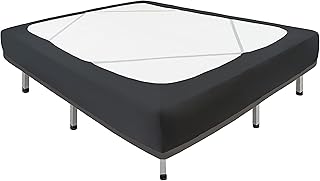
No, and in most cases you shouldn’t use one. Memory foam needs continuous, rigid support: a platform bed, a solid foundation, or slats spaced no more than three inches apart. Wider gaps cause the foam to sag between slats and will void most warranties.
Is a 14-inch mattress better than a 12-inch?
Only if the extra two inches went into the support core rather than more soft foam. Height is a design choice, not a quality metric — though taller mattresses do help heavier sleepers avoid bottoming out, and they’re easier to get in and out of.
How do I keep memory foam from sleeping hot?
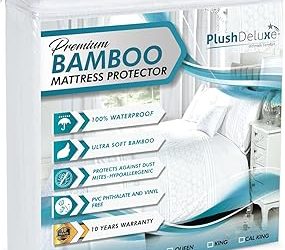
Skip waterproof vinyl protectors, which trap heat completely, and use a breathable cotton or Tencel version instead. Pair it with percale or linen sheets rather than microfiber, and if you’re on a platform bed, leave the underside open to airflow.
Final Thoughts
If you want one recommendation to stop deliberating on, take the Nectar 12-Inch — the medium firm build suits the widest range of sleepers and the year-long trial means a wrong guess costs you nothing. For chronic back pain, the ESHINE 14-Inch gives you the deeper support core that condition actually needs. And if budget is the deciding factor, the Novilla Bliss delivers real pressure relief for side sleepers without asking you to compromise on foam certification.