Key takeaways
- Separate comfort layer from support core: You want the plushness in the top two to four inches and a dense base beneath it. A 12-inch mattress with a thick, firm base foam will feel softer and hold its shape better than a uniformly squishy 10-inch slab.
- Check your slat gaps before you order: All-foam mattresses need slats spaced roughly three inches apart or less. Wider gaps let foam bulge through and create permanent divots. If your frame has 5-inch gaps, cut a sheet of half-inch plywood or add filler slats first, since this is a twenty-minute fix.
- Look for gel infusion or open-cell foam if you sleep warm: Soft foam means deeper contact, and deeper contact traps heat. Gel-infused layers and breathable covers meaningfully reduce that, though no all-foam bed sleeps as cool as a coil system.
- Verify CertiPUR-US certification: It confirms the foam is made without certain flame retardants and heavy metals, and it correlates with lower VOC emissions. Unbox in a ventilated room and give it 48 hours before you sleep on it.
- Match softness to sleeping position and weight: Side sleepers and lighter bodies benefit most from plush surfaces. Back sleepers over roughly 200 pounds should lean toward medium-soft hybrids, where coils do the load-bearing work.
What's inside
Soft memory foam is the trickiest category in bedding, because “soft” gets used to describe two very different things. One is surface plushness, the cushy top inch or two that cradles a shoulder. The other is structural give, where the whole slab collapses under your hips and leaves your spine sagging like an unsupported shelf. Most disappointing mattress purchases come from buying the second thing while hoping for the first, and no amount of mattress topper will fix a core that has already given up.
I approach mattresses the way I approach any build: check the substrate first, then the finish. That means looking at foam density, layer stacking, and what the mattress actually needs underneath it before worrying about how the top feels in a showroom. This guide covers five soft-leaning memory foam and hybrid mattresses worth your money in 2026, the specs that separate plush from mushy, and the frame and setup details that quietly decide whether your mattress lasts three years or ten.
As an Amazon Associate we earn from qualifying purchases.


How to Choose a Soft Memory Foam Mattress (2026)
- Separate comfort layer from support core: You want the plushness in the top two to four inches and a dense base beneath it. A 12-inch mattress with a thick, firm base foam will feel softer and hold its shape better than a uniformly squishy 10-inch slab.
- Check your slat gaps before you order: All-foam mattresses need slats spaced roughly three inches apart or less. Wider gaps let foam bulge through and create permanent divots. If your frame has 5-inch gaps, cut a sheet of half-inch plywood or add filler slats first, since this is a twenty-minute fix.
- Look for gel infusion or open-cell foam if you sleep warm: Soft foam means deeper contact, and deeper contact traps heat. Gel-infused layers and breathable covers meaningfully reduce that, though no all-foam bed sleeps as cool as a coil system.
- Verify CertiPUR-US certification: It confirms the foam is made without certain flame retardants and heavy metals, and it correlates with lower VOC emissions. Unbox in a ventilated room and give it 48 hours before you sleep on it.
- Match softness to sleeping position and weight: Side sleepers and lighter bodies benefit most from plush surfaces. Back sleepers over roughly 200 pounds should lean toward medium-soft hybrids, where coils do the load-bearing work.
The Best Soft Memory Foam Mattresses (2026) Reviewed
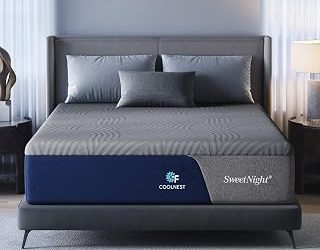
Amazon Basics 12-Inch Soft Plush Memory Foam Mattress
The best value pick here, with enough height to stack a genuine plush top over a supportive base rather than compromising on both. It is a strong choice for guest rooms, a teen’s bedroom, or a platform bed you built yourself and want to test before committing to a premium mattress.
Avenco 10-Inch Gel Memory Foam Queen
Medium-soft with gel infusion and genuinely good motion isolation, which makes it a smart pick for couples with mismatched schedules. At 10 inches it wants a solid slat platform underneath, so confirm your support before ordering.
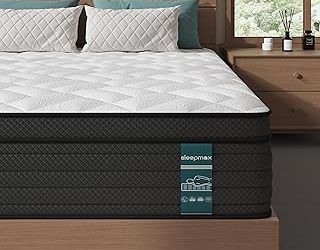
Vibe 12-Inch Gel Memory Foam Bed-in-a-Box
Vibe hits a plush-but-stable balance that suits side sleepers who still want their hips held level. The full size is a practical fit for smaller rooms, loft builds, and converted spaces where a queen simply will not clear the doorway.
Casper Original 11-Inch Memory Foam
Casper’s zoned support is the standout engineering here: softer foam under the shoulders, firmer under the hips, so you get plush contact without spinal roll. The medium-firm rating reads noticeably softer at the shoulder than the number suggests, and the 100-night trial removes most of the guesswork.
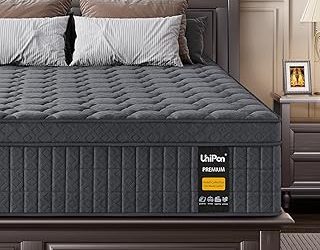
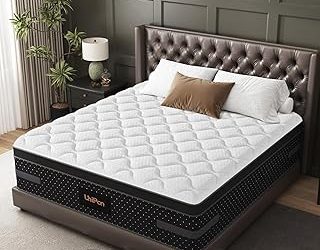
Sealy Dreamlife 12-Inch Hybrid
The pick for anyone who wants a soft surface without giving up structural support, thanks to encased coils under a gel memory foam comfort layer. It is the most forgiving option on an imperfect frame and the best bet for heavier back sleepers.
Frequently Asked Questions
Will a soft memory foam mattress hurt my back?
Only if the support core is inadequate. Plushness at the surface is fine; what causes pain is the whole mattress deflecting so your hips drop below your shoulders. A hybrid or a thicker foam bed with a dense base avoids this.
Do I need a box spring?
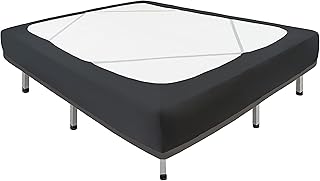
No, and you should avoid one. Traditional box springs flex too much for foam. Use a platform frame, closely spaced slats, or a bunkie board on an existing bed frame.
How long does the new-foam smell last?
Usually 24 to 72 hours. Stand the mattress up with airflow on both faces and run a fan in the room to speed it along.
Can I build my own platform for these?
Absolutely. A simple 2×4 perimeter with 1×4 slats on 3-inch centers and a center support beam handles any of these mattresses. Add legs or posts every 24 inches along the center rail.
Final Thoughts
For most buyers, the Casper Original delivers the best-engineered soft feel through its zoned support, while the Sealy Dreamlife hybrid is the safer bet for heavier sleepers or anyone who wants coils doing the structural work. If you are outfitting a spare room or pairing a mattress with a frame you built yourself, the Amazon Basics 12-inch gives you real plushness for a fraction of the cost. Whichever you choose, sort out your slat spacing first, since that single detail affects longevity more than any spec on the listing.