Key takeaways
- Coil system: Individually pocketed springs move independently, which is what actually stops your partner’s 2 a.m. trip to the kitchen from waking you. Look for pocketed coils over interconnected units, and check whether the perimeter rows are reinforced for sitting on the edge.
- Foam certification and depth: CertiPUR-US certification confirms the foam was tested for emissions and content. Beyond that, pay attention to how thick the comfort layer is relative to total height. A 14-inch mattress with two inches of foam feels very different from one with four.
- Cooling method: Gel infusion, phase-change covers, and nylon knit fabrics all work differently. Gel helps with initial contact temperature, while a breathable cover and open coil layer do more for sustained airflow through the night.
- Firmness versus your sleeping position: Side sleepers generally want a softer surface that lets the shoulder and hip sink; back and stomach sleepers do better with medium-firm to firm support that keeps the spine level. Zoned construction splits the difference by varying support along the mattress length.
- Trial period and return logistics: Foam needs a few weeks to break in and your body needs time to adjust. A 100-night minimum is reasonable, and 365 nights is generous. Read how returns actually work, since some brands arrange pickup and others expect you to find a donation site.
What's inside
Buying a mattress online means trusting a compressed roll of foam and steel to feel right after it expands. The hybrid category makes that gamble harder, because “memory foam hybrid” gets stamped on everything from a thin comfort layer over cheap bonnell coils to a genuinely engineered stack with zoned pocket springs and reinforced perimeters. If you have ever built anything, you know the parts list matters more than the label on the box, and mattresses are no different.
This guide takes that same approach: looking at coil counts, foam density, cover materials, and edge construction rather than marketing adjectives. We pulled together the hybrid mattresses worth considering in 2026 across budget, mid-range, and luxury tiers, with notes on who each one actually suits based on sleeping position, body weight, and whether you share the bed. Below you will find current picks, a practical buying checklist, and answers to the questions that come up most after the box arrives.
As an Amazon Associate we earn from qualifying purchases.


How to Choose a Memory Foam Hybrid Mattress (2026)
- Coil system: Individually pocketed springs move independently, which is what actually stops your partner’s 2 a.m. trip to the kitchen from waking you. Look for pocketed coils over interconnected units, and check whether the perimeter rows are reinforced for sitting on the edge.
- Foam certification and depth: CertiPUR-US certification confirms the foam was tested for emissions and content. Beyond that, pay attention to how thick the comfort layer is relative to total height. A 14-inch mattress with two inches of foam feels very different from one with four.
- Cooling method: Gel infusion, phase-change covers, and nylon knit fabrics all work differently. Gel helps with initial contact temperature, while a breathable cover and open coil layer do more for sustained airflow through the night.
- Firmness versus your sleeping position: Side sleepers generally want a softer surface that lets the shoulder and hip sink; back and stomach sleepers do better with medium-firm to firm support that keeps the spine level. Zoned construction splits the difference by varying support along the mattress length.
- Trial period and return logistics: Foam needs a few weeks to break in and your body needs time to adjust. A 100-night minimum is reasonable, and 365 nights is generous. Read how returns actually work, since some brands arrange pickup and others expect you to find a donation site.
The Best Memory Foam Hybrid Mattress (2026)s Reviewed
Novilla 14 Inch King Gel Memory Foam Hybrid
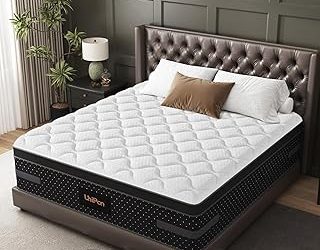
The cool-touch nylon cover on this one is the detail worth noting, since it changes how the surface feels in the first few minutes rather than just claiming to cool. Pocketed coils underneath handle spinal alignment well for a king at this price, making it a solid pick if you want generous width without stretching the budget.
Novilla King 14 Inch Cooling Hybrid
This version leans on upgraded coils for firmer overall support, which suits heavier sleepers or anyone who found their last foam mattress too yielding. Motion isolation is the standout here, and the gel memory foam layer keeps pressure points from building up on the hips and shoulders.
DreamCloud 12″ King Hybrid
A well-established name with a 365-night trial, which tells you the company expects most people to keep it. At 12 inches it sits on the leaner side of hybrid construction, but the balance of foam feel and coil response makes it a dependable middle-of-the-road choice for couples with different preferences.
Luxury 16 Inch Queen Hybrid
Sixteen inches gives the designers room to work, and the 7-zone support layer is the payoff: varied firmness under the shoulders, lumbar region, and legs. Reinforced edge support means the full surface stays usable, which matters more on a queen than people expect.
Avenco Queen 12 Inch Cooling Hybrid
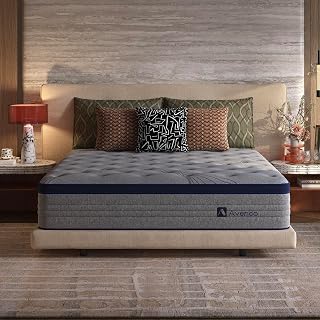
The dual NanoGEL foam paired with the SmartS coil unit delivers a hotel-firm feel without the sink-in sensation some memory foam beds have. Good choice for back sleepers who want noticeable lumbar support and run warm at night.
Frequently Asked Questions
How long does a mattress in a box take to expand?
Most reach usable shape within a few hours and full loft in 24 to 72 hours. Give it a warm room and unrestricted airflow on both sides to speed things along.
Do hybrids need a box spring?
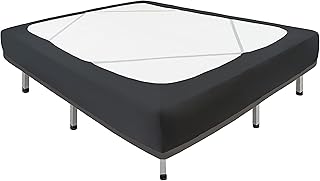
No. A solid platform, slats spaced under three inches apart, or an adjustable base all work. A traditional box spring adds height without adding support and can void some warranties.
Will a hybrid sleep cooler than all-foam?
Generally yes. The coil layer creates an open cavity that lets air move, which all-foam construction cannot replicate regardless of gel content.
How firm is medium-firm, really?
Roughly a 6 or 6.5 on a 10-point scale. It supports the spine without feeling rigid, which is why it works for the widest range of sleepers.
Final Thoughts
For most buyers, the DreamCloud 12″ hybrid hits the best balance of proven construction and a risk-free trial window. If you want more from the build, the 16-inch luxury hybrid with 7-zone support delivers noticeably better lumbar response and edge stability, while the Novilla 14-inch king remains the value play for anyone furnishing a guest room or upgrading on a budget.