Key takeaways
- Profile height of 12 inches or more: Thickness is not marketing fluff here. A 14-inch build gives you room for a deep comfort layer that cradles the shoulder plus a support core thick enough to resist bottoming out. Anything under 10 inches is fighting a losing battle at higher weights.
- Foam density over softness ratings: A plush 2.5 lb/ft³ memory foam feels great in the showroom and forms permanent body impressions within a year. Look for higher-density foams in the comfort layer and a polyfoam or coil base rated for real load, not just a “medium-firm” label.
- Zoned or reinforced support: Five-zone layouts and zoned lumbar coil systems firm up under the hips while staying softer at the shoulders. This is the single most effective design feature for keeping a heavier side sleeper’s spine in a straight line.
- Individually pocketed coils with edge reinforcement: Pocketed springs flex independently, so your hip can sink without dragging your ribcage down with it. Perimeter reinforcement keeps the edges from rolling out from under you when you sit down to put on shoes.
- Serious heat management: Deeper hug means more surface contact and more trapped heat. Gel infusions, copper or graphene-treated covers, and open-cell grid structures move warmth away instead of banking it under you.
What's inside
Side sleeping concentrates your whole body weight onto two narrow zones: the shoulder and the hip. Add a higher body weight to that equation and the physics get unforgiving. Most mattresses under 12 inches simply run out of material before they run out of load, so your hip punches through the comfort layers and lands on the firm base below. The result is a sagging trough down the middle of the bed, a shoulder that never quite sinks in, and a spine bent into a shape it was never meant to hold for eight hours. If you have ever measured the dip in your current mattress with a straightedge and a tape measure, you already know exactly what I am describing.
This guide approaches the problem the way a builder would: from the inside out. I looked at coil gauge and count, foam density, zoning layouts, and total profile height, because those specs are what actually determine whether a bed holds up under sustained load or slowly collapses into a hammock. Below are six mattresses that pair genuine pressure relief at the shoulder with enough structural backbone to keep your hips level, followed by a straightforward buying framework and answers to the questions that come up most often.
As an Amazon Associate we earn from qualifying purchases.




How to Choose a/an Mattress For Obese Side Sleepers (2026)
- Profile height of 12 inches or more: Thickness is not marketing fluff here. A 14-inch build gives you room for a deep comfort layer that cradles the shoulder plus a support core thick enough to resist bottoming out. Anything under 10 inches is fighting a losing battle at higher weights.
- Foam density over softness ratings: A plush 2.5 lb/ft³ memory foam feels great in the showroom and forms permanent body impressions within a year. Look for higher-density foams in the comfort layer and a polyfoam or coil base rated for real load, not just a “medium-firm” label.
- Zoned or reinforced support: Five-zone layouts and zoned lumbar coil systems firm up under the hips while staying softer at the shoulders. This is the single most effective design feature for keeping a heavier side sleeper’s spine in a straight line.
- Individually pocketed coils with edge reinforcement: Pocketed springs flex independently, so your hip can sink without dragging your ribcage down with it. Perimeter reinforcement keeps the edges from rolling out from under you when you sit down to put on shoes.
- Serious heat management: Deeper hug means more surface contact and more trapped heat. Gel infusions, copper or graphene-treated covers, and open-cell grid structures move warmth away instead of banking it under you.
The Best Mattress For Obese Side Sleepers (2026)s Reviewed
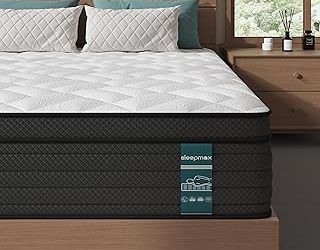
Sleepmax 14 Inch Hybrid
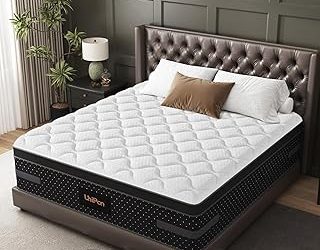
The 14-inch hybrid build gives this one a legitimate support core beneath the pressure-relieving comfort layers, which is exactly the ratio side sleepers with more body weight need. It is CertiPUR-US certified and fiberglass-free, and the 365-night trial gives you a full four seasons to see how it holds shape.
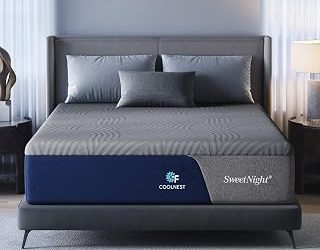
Sweetnight CoolNest 14 Inch
The five-zone ergonomic layout is the standout feature: firmer under the lumbar region, more yielding at the shoulders, which keeps your spine neutral rather than S-curved. The medium feel and breathability engineering make it a strong pick if all-foam is your preference but sleeping hot has been the deal-breaker.
BedStory 14 Inch Hybrid
BedStory built this one explicitly around heavier sleepers, with zoned lumbar support and a pocket spring core designed to resist the sagging that kills most budget hybrids. The 10-year warranty signals real confidence in the coil system, which matters more than any comfort claim.
Purple Plus 11″
The GelFlex Grid behaves differently from foam: it buckles under concentrated pressure at the shoulder and hip, then stays rigid everywhere else, so you get deep contouring without the sink-and-stay problem. It also runs temperature neutral by design rather than by additive, thanks to the open airflow channels running through the grid.
EGOHOME 14 Inch Memory Foam
Copper gel infusion plus a graphene-cooled cover tackles heat retention at two levels, and the medium-firm calibration lands in the sweet spot where hips sink enough but not too far. Motion isolation is excellent here, which is worth noting if you share the bed and shift positions through the night.
Frequently Asked Questions
Is a hybrid or all-foam mattress better for heavier side sleepers?
Hybrids generally win on durability because steel coils resist compression fatigue far better than foam does. That said, a high-density all-foam bed with proper zoning can deliver superior pressure relief at the shoulder. If longevity is your priority, go hybrid.
How firm should the mattress be?
Medium to medium-firm on the standard scale, but understand that firmness is relative to body weight. A bed that feels medium-firm to a 150-pound sleeper will feel noticeably softer to someone at 300 pounds, so err one step firmer than a firmness chart suggests.
Do I need a special foundation?
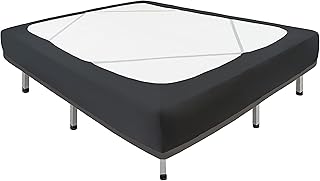
Yes, and this gets overlooked constantly. Slats spaced more than three inches apart allow the mattress to bow between them, which voids most warranties. A solid platform or a bed frame with a center support leg is the minimum.
How long should a mattress last at a higher body weight?
Expect six to eight years from a well-built hybrid and four to six from all-foam. Rotating it head-to-foot every three months genuinely extends that window by distributing wear across the surface.
Final Thoughts
For most heavier side sleepers, the BedStory 14 Inch Hybrid is the smart default, since it was engineered around exactly this load profile and backs it with a decade-long warranty. The Purple Plus earns its price through the GelFlex Grid’s unique ability to contour deeply without permanently deforming, while the Sweetnight CoolNest is the one to grab if you want zoned foam support that keeps your spine aligned and your back cool.