Key takeaways
- Hip sink is the only number that matters: Lay a 4 ft level or a straight piece of 1×3 along your spine while someone eyeballs the gap. More than roughly an inch of pelvic drop means the comfort layer is too generous, no matter what the firmness rating claims.
- Thin comfort layer over a stiff core: Look for two inches or less of foam above the support system. Deep pillow-tops undo the benefit of a firm coil unit, so a 12-inch build with a shallow top often outperforms a 14-inch build with a plush quilt.
- Zoned support, checked against your frame: Seven-zone and lumbar-zoned coil layouts firm up the middle third of the bed. Confirm the zoning lands under your hips by measuring from the head edge, then compare that to where your pelvis actually sits.
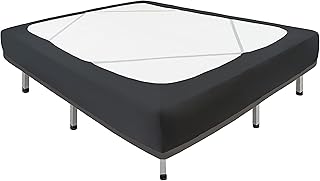
- Your foundation is half the mattress: Slats spaced wider than about three inches let any mattress sag between them. Adding a plywood deck or extra slats is a twenty-minute fix that changes how firm a bed feels more than most upgrades.
- Heat and certifications: Prone sleeping traps heat against your torso, so favor gel-infused or ventilated foam and open coil units. CertiPUR-US foam and fiberglass-free construction are baseline in 2026, and a long sleep trial is your real test rig.
What's inside
Stomach sleeping is the position that punishes a soft mattress fastest. Lie face down on something plush and your pelvis drops into the foam while your ribcage and shoulders stay put, which arches the lumbar spine into a shape it was never meant to hold for seven hours. The tell is familiar: a tight low back in the morning, a stiff neck from the head turn, and a nagging sense that the bed you bought a year ago is quietly working against you. Firmness is the fix, but “firm” on a product page is a marketing word, not a spec, and plenty of mattresses labeled firm still cradle the hips.
I approach mattresses the way I approach any build: measure, load-test, and check the result against a straightedge. Below are six firm and extra-firm queens worth a look for prone sleepers, along with the checks I run before I commit to one, plus the bench tests you can do at home during a trial window to know for certain whether a bed is holding your spine flat.
As an Amazon Associate we earn from qualifying purchases.



How to Choose a Firm Mattress for Stomach Sleepers (2026)
- Hip sink is the only number that matters: Lay a 4 ft level or a straight piece of 1×3 along your spine while someone eyeballs the gap. More than roughly an inch of pelvic drop means the comfort layer is too generous, no matter what the firmness rating claims.
- Thin comfort layer over a stiff core: Look for two inches or less of foam above the support system. Deep pillow-tops undo the benefit of a firm coil unit, so a 12-inch build with a shallow top often outperforms a 14-inch build with a plush quilt.
- Zoned support, checked against your frame: Seven-zone and lumbar-zoned coil layouts firm up the middle third of the bed. Confirm the zoning lands under your hips by measuring from the head edge, then compare that to where your pelvis actually sits.
- Your foundation is half the mattress: Slats spaced wider than about three inches let any mattress sag between them. Adding a plywood deck or extra slats is a twenty-minute fix that changes how firm a bed feels more than most upgrades.
- Heat and certifications: Prone sleeping traps heat against your torso, so favor gel-infused or ventilated foam and open coil units. CertiPUR-US foam and fiberglass-free construction are baseline in 2026, and a long sleep trial is your real test rig.
The Best Firm Mattresses for Stomach Sleepers (2026), Reviewed
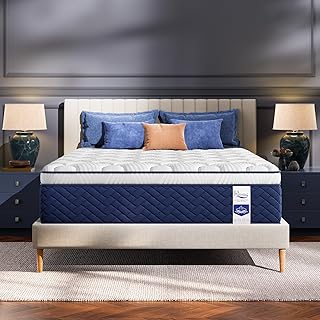
BedStory Firm 13 Inch Hybrid Queen
A well-balanced hybrid with zoned lumbar reinforcement that keeps the pelvis from tipping forward, and enough coil response that rolling over doesn’t feel like climbing out of a trench. The 365-night trial and 10-year warranty give you the full seasonal cycle to confirm the support holds after the foam breaks in.
SLEEP100 14″ Extra Firm Memory Foam Queen
This is the all-foam pick for sleepers who want a dense, quiet slab with no coil feel at all, and the extra-firm core resists the hip sink that sinks most memory foam for prone sleeping. The ventilated gel layer does real work here, since face-down sleeping puts your whole torso in contact with the surface.
BedStory Firm 14 Inch 7-Zone Hybrid
The taller sibling in the BedStory line, with a seven-zone coil layout that firms up noticeably through the midsection and a fiberglass-free, CertiPUR-US build. Good choice if you share the bed with a back sleeper who needs a little more give at the shoulders.
12 Inch Extra Firm Hybrid Queen
The shallowest profile on this list and, for that reason, one of the most reliably flat surfaces for stomach sleeping. Less material above the coils means less to compress, and it’s the easiest of the group to pair with a platform frame or a plywood-decked foundation.
14 Inch Medium Firm Hotel Collection Hybrid
Aimed at prone sleepers who find true firm beds punishing on the ribs and shoulders, this one splits the difference with 7-zone support under the hips and a slightly more forgiving top. Best for lighter builds, since heavier sleepers will compress that comfort layer into hip sink.
Frequently Asked Questions
How firm should a mattress be for stomach sleeping?
Aim for 7 to 8.5 on the ten-point industry scale. Below 6 the hips drop; above 9 the ribcage takes uncomfortable point pressure. The straightedge test beats any number a spec sheet gives you.
Are hybrids or all-foam beds better face down?
Hybrids generally win because a coil unit pushes back under the pelvis instead of slowly yielding to it. A high-density extra-firm foam core can match that feel, but soft or medium foam almost never does.
Can I make my current mattress firmer instead?
Sometimes. A plywood deck over wide slats, or a half-inch of underlayment cut to fit, removes flex from the foundation and firms the whole surface. It won’t fix a worn-out comfort layer, but it’s cheap to try before you buy.
Do I still need a pillow?
Yes, just a thin one, roughly two to three inches loft, or none at all under the head with a slim pillow under the pelvis instead. That pelvic pillow reduces lumbar arch more than any mattress change.
Final Thoughts
If you want one recommendation, the BedStory Firm 13 Inch Hybrid hits the best balance of firm zoned support, breathability, and a trial period long enough to test properly. The 12 Inch Extra Firm Hybrid is the pick for the flattest possible surface on a platform frame, and the SLEEP100 14″ Extra Firm is the one to choose if you want dense foam with zero coil feel underneath you.