Key takeaways
- Measure rail height first: Pull a tape from the slats to the top of the side rail. Subtract 1 to 2 inches for the mattress you want visible above the rail, and that’s your thickness ceiling. Most daybeds land in the 5 to 8 inch range; anything taller usually needs bolsters to look intentional.
- Check your slat spacing: Foam mattresses need slats no more than 3 inches apart or they’ll sag into the gaps and wear unevenly. Wider spacing is a 30-minute fix: add furring strips or lay a sheet of 1/4-inch plywood across the deck, drilled with a few vent holes so the foam can breathe.
- Prioritize edge support over softness: Daybeds get sat on, and the perimeter takes the abuse. A medium-firm feel or a pocket-spring hybrid with a reinforced border holds its shape at the front edge far better than a plush all-foam build.
- Confirm certifications, not marketing: Look for CertiPUR-US on the foam and an explicit fiberglass-free claim. Fiberglass fire barriers are common in budget mattresses and become a genuine cleanup problem if the cover ever tears, which matters when the piece doubles as seating.
- Account for the trundle: If your daybed has a pull-out, measure the clearance under the deck before ordering. A 5 or 6 inch mattress usually clears; an 8 inch hybrid often doesn’t. Buy the thin one for the trundle and the thicker one for the top deck.
What's inside
If you’ve built or restored a daybed, you already know the mattress is where the project usually stalls. A daybed sits in a weird middle zone: it needs to be shallow enough that the back rail still reads as a backrest, firm enough at the edge to sit on without folding, and durable enough to handle being a sofa five days a week and a guest bed on weekends. Standard bedroom mattresses are built for one of those jobs, not all three, and the 12-inch plush model you loved in the showroom will swallow your side rails and make the whole piece look like a slumped futon.
This guide approaches the problem the way a maker would: start from the frame you actually have, measure the deck and rail height, then choose a mattress that fits those numbers. Below are six options I’d trust on a real daybed build, plus a rundown of the specs that matter, the ones that don’t, and the small workshop fixes that make a budget foam slab perform like something pricier.
As an Amazon Associate we earn from qualifying purchases.


How to Choose a Daybed Mattress (2026)
- Measure rail height first: Pull a tape from the slats to the top of the side rail. Subtract 1 to 2 inches for the mattress you want visible above the rail, and that’s your thickness ceiling. Most daybeds land in the 5 to 8 inch range; anything taller usually needs bolsters to look intentional.
- Check your slat spacing: Foam mattresses need slats no more than 3 inches apart or they’ll sag into the gaps and wear unevenly. Wider spacing is a 30-minute fix: add furring strips or lay a sheet of 1/4-inch plywood across the deck, drilled with a few vent holes so the foam can breathe.
- Prioritize edge support over softness: Daybeds get sat on, and the perimeter takes the abuse. A medium-firm feel or a pocket-spring hybrid with a reinforced border holds its shape at the front edge far better than a plush all-foam build.
- Confirm certifications, not marketing: Look for CertiPUR-US on the foam and an explicit fiberglass-free claim. Fiberglass fire barriers are common in budget mattresses and become a genuine cleanup problem if the cover ever tears, which matters when the piece doubles as seating.
- Account for the trundle: If your daybed has a pull-out, measure the clearance under the deck before ordering. A 5 or 6 inch mattress usually clears; an 8 inch hybrid often doesn’t. Buy the thin one for the trundle and the thicker one for the top deck.
The Best Daybed Mattresses (2026) Reviewed
Twin 5-Inch Cooling Gel Memory Foam (Fiberglass-Free)
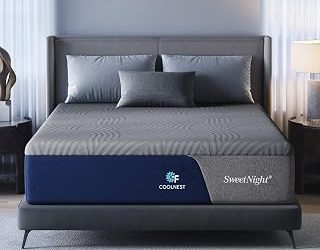
This is the default answer for a standard daybed with a low rail: shallow enough to keep the backrest proportions right, medium-firm enough to sit on, and free of fiberglass so it’s safe in a kid’s room. Give it a solid deck and it holds up well beyond what the price suggests.
Twin 5-Inch CertiPUR-US Gel Foam for Kids and Guests
Functionally a close cousin to the pick above, with CertiPUR-US foam and enough support for adult guests rather than kids only. It’s the one I’d pair with a trundle, since two matching 5-inch mattresses keep both sleep surfaces consistent.
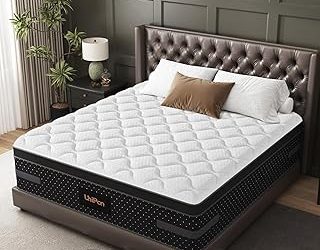
LETMOON 8-Inch Hybrid Twin
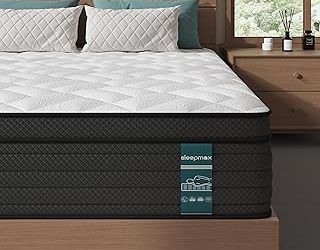
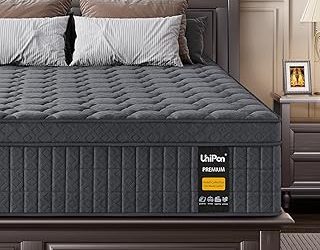
The pocket springs make a real difference on the front edge, which is exactly where daybed mattresses usually fail. Verify your rail height before buying, but if you have 8 inches to work with, this is the most sofa-like option on the list.
MLILY 6-Inch Full Green Tea Memory Foam
The right call for full-size daybeds and shop-built frames that came out wider than a twin. The 6-inch profile splits the difference between usable seating depth and low-rail compatibility, and the gel-infused foam runs cooler than plain memory foam.
10-Inch Twin Memory Foam for Daybeds and Bunks
Pick this when the daybed is genuinely a bed first and seating second, or when you’re adding tall bolster cushions that need matching height. Motion isolation is good, so it works for a shared guest setup.
Frequently Asked Questions
What thickness works best on a daybed?
Five to eight inches suits most frames. Measure from the slats to the top of the side rail and stay within an inch or two of that number so the mattress reads as a cushion, not an afterthought.
Can I use a regular twin mattress?
Yes, dimensionally, since daybeds take standard twin sizes. The issue is depth: most bedroom twins run 10 to 12 inches and bury the rails, which ruins both the look and the seating ergonomics.
Do I need a box spring or bunkie board?
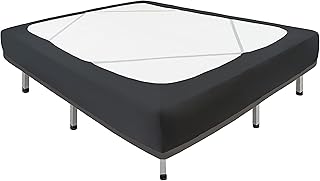
No box spring. A bunkie board or plywood sheet is only necessary if your slats sit more than 3 inches apart, and it’s a cheap insurance policy against premature sagging.
How do I make a thin foam mattress feel firmer for seating?
Add a high-density foam or plywood base layer under the mattress rather than swapping the mattress itself. It stiffens the deck without raising the surface much and keeps the front edge from collapsing.
Final Thoughts
For most daybeds, the 5-inch fiberglass-free gel foam twin is the safest starting point: it fits low rails, sits comfortably, and won’t blow the budget. If your frame has clearance and the piece works hard as seating, the LETMOON 8-inch hybrid delivers noticeably better edge support, and full-size or custom-width builds should go with the MLILY 6-inch green tea foam.