Key takeaways
- Coils beat foam for airflow: A pocketed spring core has open space between the coils, so warm air has somewhere to go. All-foam builds rely on gel, graphite, or copper infusions to pull heat sideways, which works but tops out lower. If you sleep genuinely hot, start with a hybrid.
- Firmness is not a number you can trust: Manufacturers rate their own mattresses, and one brand’s “firm” is another’s “medium-firm.” Weight matters more than the label: a heavier sleeper compresses any surface further, so a 7/10 can feel like a 5/10. Read the return window as your real safety net.
- Check the comfort layer thickness: Two inches of memory foam over coils gives pressure relief without swallowing you. Four or more starts to negate the firm support underneath and traps heat in the cradle it forms around your hips and shoulders.
- Zoned support earns its keep: Reinforced coils under the lumbar region with softer zones at the shoulders keep your spine neutral rather than flat. This matters most for back sleepers and anyone who wakes up with a stiff lower back.
- Verify fiberglass-free and CertiPUR-US: Fiberglass is used as a cheap flame barrier and becomes a genuine problem if the cover is ever unzipped. CertiPUR-US certification covers foam emissions and content. Both are table stakes in 2026, and any brand omitting them is telling you something.
What's inside
Firm and cool sound like they should go together, but in practice they fight each other. A dense support core resists sinking, which is exactly what you want for spinal alignment, yet the materials that deliver that density are often the same ones that trap body heat against your back. Add a plush quilted cover on top and you have built a very effective insulator. Anyone who has flipped their pillow at 3 a.m. while lying on a rock-solid slab knows the tradeoff intimately.
This guide approaches the problem the way you would approach any build: by looking at what each layer is actually doing. We break down which construction choices move air, which ones hold it, and which spec-sheet claims are marketing rather than physics. Below are six firm cooling mattresses worth considering in 2026, with notes on who each one suits and where the design compromises sit.
As an Amazon Associate we earn from qualifying purchases.


How to Choose a Firm Cooling Mattress (2026)
- Coils beat foam for airflow: A pocketed spring core has open space between the coils, so warm air has somewhere to go. All-foam builds rely on gel, graphite, or copper infusions to pull heat sideways, which works but tops out lower. If you sleep genuinely hot, start with a hybrid.
- Firmness is not a number you can trust: Manufacturers rate their own mattresses, and one brand’s “firm” is another’s “medium-firm.” Weight matters more than the label: a heavier sleeper compresses any surface further, so a 7/10 can feel like a 5/10. Read the return window as your real safety net.
- Check the comfort layer thickness: Two inches of memory foam over coils gives pressure relief without swallowing you. Four or more starts to negate the firm support underneath and traps heat in the cradle it forms around your hips and shoulders.
- Zoned support earns its keep: Reinforced coils under the lumbar region with softer zones at the shoulders keep your spine neutral rather than flat. This matters most for back sleepers and anyone who wakes up with a stiff lower back.
- Verify fiberglass-free and CertiPUR-US: Fiberglass is used as a cheap flame barrier and becomes a genuine problem if the cover is ever unzipped. CertiPUR-US certification covers foam emissions and content. Both are table stakes in 2026, and any brand omitting them is telling you something.
The Best Firm Cooling Mattresses Reviewed
BedStory Firm 13 Inch Hybrid
The 13-inch profile gives BedStory room for a proper zoned coil unit under a comfort layer that stays thin enough to preserve the firm feel. Back sleepers dealing with lumbar pain get the most out of the reinforced center third, and the 365-night trial with a 10-year warranty means you can test it through a full seasonal swing.
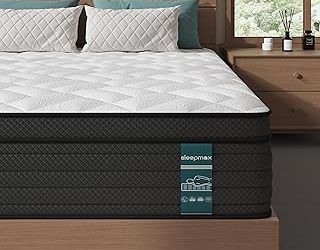
Sleepmax Firm 10 Inch Cooling Hybrid
At 10 inches this is the leanest build here, which is a feature if you have a low platform frame or a bunk setup where deep mattresses look wrong. The coil-to-foam ratio skews toward support, making it a sensible pick for combination back-and-side sleepers who want firm without an oppressive slab feel.
Gelsea 12 Inch Green Tea Gel Memory Foam
This is the all-foam option, and it makes the case honestly: gel-infused layers plus a green tea charcoal treatment handle odor and moderate heat rather than aggressive cooling. Motion isolation is where foam still wins outright, so light-sleeping couples should weigh that against the airflow you give up.
SLEEP100 Firm King 12 Inch Gel Hybrid
SLEEP100 splits the difference between lumbar reinforcement and shoulder relief, which is a harder engineering problem than it sounds and the reason many firm mattresses leave side sleepers sore. The gel layer sits close to the surface where it can actually pull heat, and the no-odor claim held up in reported off-gassing tests.
14 Inch Luxury Hotel Cooling Hybrid
The tallest option in the roundup uses zoned individual pocket springs across three distinct support regions, closest to what you find in high-end hotel beds. That extra height means deeper sheets, but the payoff is a genuinely firm surface that still contours at the hip and shoulder.
Frequently Asked Questions
Does a firm mattress actually sleep cooler?
Somewhat, yes. Less sinking means less of your body surrounded by insulating material, so heat has more room to escape. The core material still matters more than the firmness rating.
How long is the break-in period?
Give it three to four weeks. Foam layers soften slightly with use and your body adapts to a new alignment. Judging a firm mattress in the first week is how people return beds that would have worked.
Do I need a special foundation?
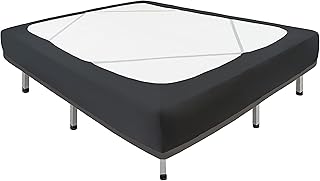
Slats spaced under three inches apart, or a solid platform. Wider gaps let the mattress sag between them, which voids most warranties and undoes the support you paid for.
Is copper or graphene infusion worth it?
Both conduct heat better than plain foam, so they help pull warmth away from the surface. The effect is real but incremental, best treated as a bonus on a mattress you already like, as with the MLILY EGOHOME copper gel and graphene cover build.
Final Thoughts
For most people the BedStory 13 Inch Hybrid is the right balance of zoned lumbar support and airflow at a sensible height, while the 14 Inch Luxury Hotel Hybrid is the upgrade if you want three-zone pocket springs and do not mind deep-pocket sheets. If you want maximum motion isolation and can accept moderate rather than aggressive cooling, the Gelsea 12 Inch green tea gel foam is the honest all-foam alternative.