Key takeaways
- Go softer than the label suggests: A mattress rated medium firm for an average sleeper reads as firm under 130 pounds. Aim for soft or medium-soft, or a plush hybrid that gives at the shoulder without bottoming out.
- Measure the comfort layer, not the total height: A 14-inch mattress with two inches of foam over a tall coil unit will feel harder than a 12-inch model with four inches of foam. Ask for the layer breakdown before you look at overall thickness.
- Pocketed coils beat connected innersprings: Individually wrapped springs move independently, so your hip can drop while your ribs stay supported. Bonnell or continuous-coil units flex as one sheet and push back where you need give.
- Watch for the cool-touch tradeoff: Nylon and phase-change covers pull heat away nicely, but tightly woven cooling fabrics add surface tension that resists shallow sinkage. Look for a stretch knit finish if you’re light.
- Use the trial period as a real test: Foam needs two to three weeks to break in and your body needs the same to adapt. A 365-night trial is worth more than any spec sheet — take the full window and sleep on it through a season change.
What's inside
If you weigh under about 130 pounds and sleep on your side, most mattresses lie to you. They feel plush in the showroom, then you spend a night on one and wake up with a numb shoulder and a stiff hip. The reason is simple physics: comfort layers are engineered to compress under a certain load, and a lightweight frame never reaches that threshold. You float on top of the foam instead of sinking into it, so your shoulder and hip stay proud while your waist gets zero contact. I found this out the hard way after pulling apart three returned mattresses in my garage with a utility knife and a tape measure, laying the layers out on the workbench, and pressing my own body weight into each one to see what actually gave.
This guide is the result of that teardown habit plus a lot of nights spent testing. Below you’ll find the models that work for smaller side sleepers, along with the specs that genuinely matter — comfort layer thickness, foam density, coil gauge — and the ones that are just marketing. I’ve also included a short buying checklist you can run through in under a minute, and answers to the questions I get asked most often by friends who’ve been burned by a “medium firm” that felt like plywood.
As an Amazon Associate we earn from qualifying purchases.



How to Choose a Mattress For Lightweight Side Sleepers (2026)
- Go softer than the label suggests: A mattress rated medium firm for an average sleeper reads as firm under 130 pounds. Aim for soft or medium-soft, or a plush hybrid that gives at the shoulder without bottoming out.
- Measure the comfort layer, not the total height: A 14-inch mattress with two inches of foam over a tall coil unit will feel harder than a 12-inch model with four inches of foam. Ask for the layer breakdown before you look at overall thickness.
- Pocketed coils beat connected innersprings: Individually wrapped springs move independently, so your hip can drop while your ribs stay supported. Bonnell or continuous-coil units flex as one sheet and push back where you need give.
- Watch for the cool-touch tradeoff: Nylon and phase-change covers pull heat away nicely, but tightly woven cooling fabrics add surface tension that resists shallow sinkage. Look for a stretch knit finish if you’re light.
- Use the trial period as a real test: Foam needs two to three weeks to break in and your body needs the same to adapt. A 365-night trial is worth more than any spec sheet — take the full window and sleep on it through a season change.
The Best Mattress For Lightweight Side Sleepers (2026)s Reviewed
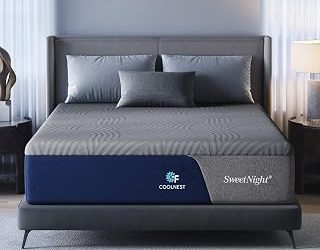
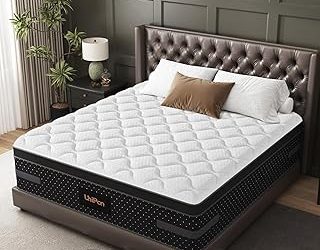
Soft Plush Queen Hybrid, 12 Inch
This is the one I’d hand to a lightweight side sleeper first, because the soft plush build is designed around shallow compression rather than deep load. The gel memory foam cradles the shoulder at low pressure while the pocketed spring unit keeps the lumbar line honest, and the 365-night trial gives you room to be sure.
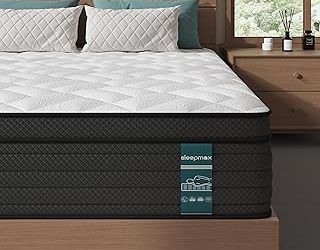
Sleepmax 14 Inch Queen Hybrid
The extra height buys you a genuinely thick comfort stack, so there’s material to sink into before you reach the coils — exactly what a smaller frame needs. It’s marketed for back and side sleepers both, which usually means a middling feel, but the deeper foam layers tip it toward side-sleeping comfort.
Novilla Bliss Cooling Queen, 12 Inch
An all-foam pick with no coils to work against you, which means contouring starts almost immediately at the shoulder and hip. The cool-touch nylon cover handles the heat retention that usually comes with gel-infused memory foam, making this a solid choice for warm sleepers who need a soft surface.
Sayre 12 Inch Twin Memory Foam
Made in the USA with CertiPUR-US and Oeko-Tex certification, this one earns its place on build quality and clean materials rather than gimmicks. Motion isolation is excellent, so it’s a strong fit for a guest room, bunk setup, or anyone sharing a smaller sleeping space.
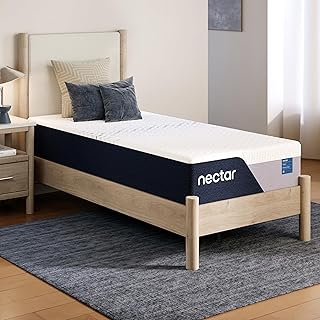
Nectar 12″ Twin Memory Foam
Nectar’s medium firm leans firmer than most lightweight side sleepers want straight out of the box, but it softens noticeably over the first month and holds its shape for years. The one-year trial makes it a low-risk pick if you also spend part of the night on your back.
Frequently Asked Questions
Why does my shoulder hurt on a new mattress?
Your shoulder is the widest point of your side-lying profile, so it needs the deepest sinkage. If the comfort layer is too thin or too dense for your weight, the shoulder can’t drop and the joint takes the full load all night.
Is a mattress topper a cheaper fix?
Sometimes. A two- to three-inch soft foam topper can rescue a mattress that’s only slightly too firm, but it won’t fix a genuinely hard base — you’ll just feel the resistance through the topper.
Hybrid or all-foam for a lightweight sleeper?
All-foam contours faster at low body weight and isolates motion better. Hybrids offer more edge support and airflow. If you sleep strictly on your side, foam usually wins; if you switch positions, go hybrid.
Do I need a specific bed frame?
Slats spaced more than three inches apart will let foam sag between them over time. Add a plywood sheet or extra slats — a cheap fix that meaningfully extends the mattress’s life.
Final Thoughts
For most lightweight side sleepers, the Soft Plush 12 Inch Hybrid is the safest bet — it’s the rare mattress actually tuned for shallow compression, and the year-long trial removes the guesswork. Go with the Sleepmax 14 Inch if you want a deeper comfort stack with coil support underneath, or the Novilla Bliss if you run hot and prefer an all-foam feel that starts contouring the moment you lie down.