Key takeaways
- Measure before you order: Most dorms use Twin XL at 38″ x 80″, but plenty of older halls still run standard Twin at 75″ long. Email housing or bring a tape measure on move-in day — a 5″ mismatch is the single most common return reason.
- Thickness versus sheet math: Two inches softens a firm slab; three inches genuinely changes the sleep surface. Go with 3″ and your standard fitted sheets will fight you, so plan on deep-pocket sheets sized 14″ or more.
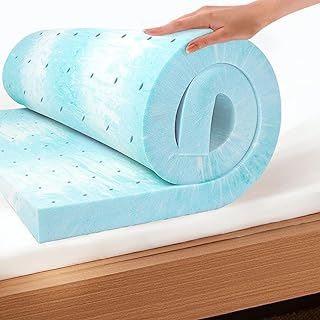
- Cooling is construction, not marketing: Gel infusion alone does modest work. Look for ventilated foam with punched airflow channels, or a fiber-fill pillow top over a breathable cover, especially if your building has no AC.
- Check for CertiPUR-US: Foam arrives compressed and will off-gas. Certified foam means low VOC emissions and no prohibited flame retardants — worth it in a room with one window and a roommate.
- Removable, washable cover: Dorm life is spilled ramen and questionable laundry timing. A zip-off cover you can throw in a machine outlasts a bare foam pad by years, and non-slip backing keeps things put on a slick vinyl mattress.
What's inside
Dorm mattresses are built for durability, not comfort. Institutional vinyl-wrapped slabs get rotated between students for years, and by the time one lands under your fitted sheet it has usually compressed into something closer to a gym mat than a bed. Add the standard Twin XL footprint (38″ x 80″), cinderblock walls that hold heat, and a roommate schedule that makes sleep debt compound fast, and you have a setup that quietly wrecks a semester.
A topper is the highest-leverage fix in the room: it costs less than a mini fridge, ships compressed in a box you can haul up three flights of stairs solo, and takes about ten minutes to install. This guide breaks down what actually matters when you are shopping — thickness, foam density, cooling construction, and how the thing behaves on a lofted frame — then walks through the models worth your money for 2026.
As an Amazon Associate we earn from qualifying purchases.




How to Choose a/an Dorm Room Mattress Topper (2026)
- Measure before you order: Most dorms use Twin XL at 38″ x 80″, but plenty of older halls still run standard Twin at 75″ long. Email housing or bring a tape measure on move-in day — a 5″ mismatch is the single most common return reason.
- Thickness versus sheet math: Two inches softens a firm slab; three inches genuinely changes the sleep surface. Go with 3″ and your standard fitted sheets will fight you, so plan on deep-pocket sheets sized 14″ or more.
- Cooling is construction, not marketing: Gel infusion alone does modest work. Look for ventilated foam with punched airflow channels, or a fiber-fill pillow top over a breathable cover, especially if your building has no AC.
- Check for CertiPUR-US: Foam arrives compressed and will off-gas. Certified foam means low VOC emissions and no prohibited flame retardants — worth it in a room with one window and a roommate.
- Removable, washable cover: Dorm life is spilled ramen and questionable laundry timing. A zip-off cover you can throw in a machine outlasts a bare foam pad by years, and non-slip backing keeps things put on a slick vinyl mattress.
The Best Dorm Room Mattress Topper (2026)s Reviewed
ELEMUSE 3″ Dual Layer Twin XL Topper
The dual-layer build is the smart part here: 2″ of cooling gel foam handles support while a 1″ quilted pillow top takes the edge off, so you get contouring without the sunken-in feeling straight memory foam gives. It is the most complete out-of-the-box upgrade on this list for a genuinely rough dorm mattress.
Linenspa 2″ Gel Memory Foam Topper
At 2″ this is the budget entry point, and it does one job well — plush surface relief on a mattress that is firm rather than broken down. CertiPUR-US certified foam and a low profile mean your existing sheets still fit, which saves you a second purchase.
EGO 2″ Twin Gel Memory Foam Topper
Sized at 75″ x 38″ for standard Twin frames, this is the one to grab if your hall predates the Twin XL standard. Gel-infused foam with solid pressure relief at the hips and shoulders, and it expands fully in under 48 hours.
ELEMUSE 3″ Twin XL with Washable Cover
Same thickness as the dual-layer model but built around serviceability — the zip-off washable cover and non-slip backing make this the practical pick for a shared room. Reviewers consistently flag it for lower back relief, which tracks with the higher-density gel foam.
Niagara Sleep Solution Bamboo-Derived Pillow Top
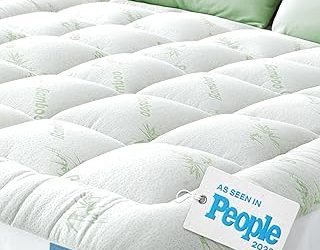
This is the hot sleeper’s answer: a rayon-from-bamboo fiber pillow top rather than foam, with a 20″ deep pocket skirt that grips even a thick institutional mattress. You trade foam contouring for real breathability and a much easier laundry cycle.
Frequently Asked Questions
How long does a compressed topper take to expand?
Unbox it the day you arrive. Most foam reaches usable loft in 6 to 8 hours and full thickness in 24 to 72. Lay it flat in a ventilated room and skip the temptation to sleep on it the first night.
Will a 3″ topper work on a lofted bed?
Yes, but check your safety rail clearance. Adding 3″ raises the sleep surface, and some housing codes require a minimum rail height above the mattress. Measure your rail before committing to the thicker option.
Do I need special sheets?
For 2″ toppers, standard Twin XL sheets usually stretch fine. For 3″ builds like the ViscoSoft or ELEMUSE models, buy deep-pocket sheets rated 15″ or deeper or your corners will pop off nightly.
Can I use a Twin topper on a Twin XL mattress?
Not well. You will leave 5″ of bare mattress at the foot of the bed and the topper will creep. Match the size, or oversize slightly and let the excess tuck rather than sit short.
Final Thoughts
For most students, the ELEMUSE 3″ Dual Layer is the best all-around upgrade — enough thickness to fix a compressed dorm slab, with a pillow top that keeps it from feeling like a foam brick. The ViscoSoft 3″ Ventilated is the pick if you want the highest-density foam and a premium removable cover for the long haul, while the Niagara Sleep Solution Bamboo-Derived Pillow Top is the clear choice for a hot room with no AC.