Key takeaways
- Power access: Electric rods and warm-air units need a cord path into the safe. Most safes have a factory grommet hole in the back or floor — check for it before buying, because drilling a hardplate-lined body is not a weekend job. No feed means desiccant or rechargeable is your answer.
- Interior volume, honestly measured: Multiply height by width by depth in feet, then subtract nothing for contents. A 200g canister covers roughly a 30-cubic-foot cabinet; jump to 450g or a 12-inch rod for anything approaching 60 cubic feet or larger.
- Recharge and maintenance rhythm: Silica gel needs oven or outlet drying every few weeks in wet climates. Rods and warm-air plates run indefinitely. Be realistic about which chore you’ll actually keep up with.
- Mounting and clearance: Rods bolt low on the side wall and need a couple inches of air gap from stored items. Circular fan units want floor space. Measure before you commit, especially in a packed safe.
- Indicator windows and warranty: Color-change beads that shift from orange to green take the guesswork out of recharge timing. On electric units, a multi-year warranty signals the heating element was built to run continuously rather than intermittently.
What's inside
Open a gun safe that’s been sealed up through a humid summer and you’ll often find the tell-tale signs before you find the guns: a fogged bluing here, a chalky patch on a magazine there, maybe a leather sling gone stiff and spotted. Steel safes are essentially insulated boxes, and that insulation works both ways. Warm damp air gets in during a door-open cycle, then the interior surfaces cool below dew point overnight and moisture condenses right onto the things you’re trying to protect. Basement and garage installs are the worst offenders, but I’ve pulled rust off firearms stored in climate-controlled closets too.
The fix is cheap compared to the damage, and it comes in three flavors: warming units that raise interior air temperature a few degrees so condensation never forms, desiccant canisters that pull water vapor straight out of the air, and rechargeable hybrids that do a bit of both. I’ve installed all three types in safes ranging from a 12-gun cabinet to a 60-cubic-foot vault room, and each has a place depending on whether you’ve got a power feed, how big the box is, and how often you want to think about it. Below are the units worth your money in 2026, plus a straight-talk buying framework so you don’t overspend on capacity you’ll never use.
As an Amazon Associate we earn from qualifying purchases.



How to Choose a Dehumidifier For Gun Safes (2026)
- Power access: Electric rods and warm-air units need a cord path into the safe. Most safes have a factory grommet hole in the back or floor — check for it before buying, because drilling a hardplate-lined body is not a weekend job. No feed means desiccant or rechargeable is your answer.
- Interior volume, honestly measured: Multiply height by width by depth in feet, then subtract nothing for contents. A 200g canister covers roughly a 30-cubic-foot cabinet; jump to 450g or a 12-inch rod for anything approaching 60 cubic feet or larger.
- Recharge and maintenance rhythm: Silica gel needs oven or outlet drying every few weeks in wet climates. Rods and warm-air plates run indefinitely. Be realistic about which chore you’ll actually keep up with.
- Mounting and clearance: Rods bolt low on the side wall and need a couple inches of air gap from stored items. Circular fan units want floor space. Measure before you commit, especially in a packed safe.
- Indicator windows and warranty: Color-change beads that shift from orange to green take the guesswork out of recharge timing. On electric units, a multi-year warranty signals the heating element was built to run continuously rather than intermittently.
The Best Dehumidifier For Gun Safes (2026)s Reviewed
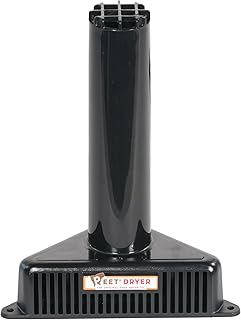
PEET SafeKeeping Dehumidifier
PEET has been doing warm-air circulation longer than most, and this unit covers up to 300 cubic feet by gently moving heated air rather than just radiating from a fixed rod. Install is a plug-and-set-it-down affair, it runs silently around the clock, and the five-year warranty backs up the claim that the element is built for permanent duty.
Electric Gun Safe Dehumidifier with 360° Heating
The circular design with a built-in fan solves the biggest weakness of traditional rods, which is that heat stratifies and leaves cold corners untouched. Set it on the safe floor, route the cord through your grommet, and it keeps the whole interior a few degrees above ambient — exactly the margin you need to stay clear of dew point.
XL 450g Reusable Silica Gel Canister
This is my go-to for safes with no power feed, rated for around 60 cubic feet on a single charge of desiccant. The indicating beads tell you at a glance when it’s saturated, and a couple of hours plugged into an outlet or in a low oven brings it back to full absorption — no consumables, no ongoing cost.
Afloia Rechargeable Cordless with Heating Base
Afloia’s TOPZ 2+1 setup splits the difference nicely: cordless canisters handle the moisture, and the heating base regenerates them without you hauling anything to the kitchen. It’s quiet, reusable, and the portability means the same unit can rotate between a safe, a truck cab, and a boat locker off-season.
TOAAOT 200g Silica Gel Canisters (3-Pack)
Three smaller canisters distributed through a safe beat one large unit sitting in a corner, because moisture doesn’t migrate as freely inside a packed box as people assume. At this price it’s also the right call for pistol cases, tool chests, and ammo cans where a rod would never fit.
Frequently Asked Questions
Do I need a dehumidifier if my safe is in a heated house?
Usually yes. Household humidity swings with weather and season regardless of thermostat setting, and a steel safe body lags room temperature enough to condense moisture on interior walls. A single desiccant canister is cheap insurance.
Can I run both a rod and a desiccant canister together?
You can, and in wet basements it’s a smart combination. The rod prevents condensation while the canister mops up whatever vapor is already trapped inside — just recharge the desiccant less often, since it’ll saturate more slowly.
How often does silica gel need recharging?
Anywhere from three weeks to six months depending on climate, safe seal quality, and how often the door opens. Watch the indicator window rather than the calendar, and note that the first recharge cycle usually comes fastest as the unit pulls out accumulated moisture.
Are electric dehumidifier rods a fire risk inside a safe?
Quality rods run at low wattage and surface temperatures well below ignition thresholds for paper or fabric, but clearance still matters. Keep two inches between the rod and any stored items, mount it on the safe wall rather than loose on the floor, and skip no-name units without safety certification.
Final Thoughts
If your safe has a cord path, the PEET SafeKeeping unit is the set-and-forget choice, with the 360° heating circular unit close behind for larger boxes that need active air movement. For safes without power, the XL 450g silica gel canister handles serious volume on a single charge, and the TOAAOT three-pack is the smart way to cover multiple cases and cabinets at once. Any of these costs a fraction of refinishing one rusted receiver.