Key takeaways
- Power access: If your safe has a factory cord port or you can drill a small pass-through in the back panel, an electric rod or warm-air unit gives you set-and-forget performance. No port and no drilling? Go rechargeable or desiccant.
- Cubic footage math: Measure interior height, width, and depth in feet and multiply. Under 20 cu ft is easy territory for a mini unit; 40 to 60 cu ft wants a 450g canister or a 12-inch rod; large 300 cu ft vaults need a dedicated circulation unit.
- Recharge realities: Silica canisters need oven or outlet drying every few weeks in damp climates. Be honest about whether you will actually do that, or pick electric and skip the chore.
- Mounting hardware: Look for magnetic bases, adhesive brackets, or included screws. Rods should sit low, near the floor of the safe, since warm air rises and does the circulating for you.
- Indicator windows: A color-changing crystal window or LED saturation light removes the guesswork. Pair any unit with a $10 hygrometer inside the safe and aim for 40 to 50% relative humidity.
What's inside
Open a gun safe after a humid summer and you can sometimes smell the problem before you see it: that faint metallic tang of oxidation starting on a bolt carrier or a hinge pin. Steel safes are essentially insulated boxes, which means they hold whatever moisture was sealed inside along with your firearms. Add a concrete basement floor wicking damp from below, a few temperature swings, and the interior humidity climbs past the 50% mark where surface rust begins its slow work on bluing, springs, and optics coatings. I learned this the hard way after refinishing a shotgun receiver that had spent two winters in an unheated garage safe.
The fix is inexpensive and, honestly, satisfying to set up. This guide walks through the two working approaches to safe humidity control (heated air circulation versus passive desiccant absorption), what to look for based on your safe’s cubic footage and whether you can run a cord to it, and six units worth your money in 2026. Everything below is chosen from a practical installer’s perspective: how easy it is to mount, how long it runs between resets, and whether it actually holds a stable reading over a full season.
As an Amazon Associate we earn from qualifying purchases.




How to Choose a/an Dehumidifier For Gun Safe (2026)
- Power access: If your safe has a factory cord port or you can drill a small pass-through in the back panel, an electric rod or warm-air unit gives you set-and-forget performance. No port and no drilling? Go rechargeable or desiccant.
- Cubic footage math: Measure interior height, width, and depth in feet and multiply. Under 20 cu ft is easy territory for a mini unit; 40 to 60 cu ft wants a 450g canister or a 12-inch rod; large 300 cu ft vaults need a dedicated circulation unit.
- Recharge realities: Silica canisters need oven or outlet drying every few weeks in damp climates. Be honest about whether you will actually do that, or pick electric and skip the chore.
- Mounting hardware: Look for magnetic bases, adhesive brackets, or included screws. Rods should sit low, near the floor of the safe, since warm air rises and does the circulating for you.
- Indicator windows: A color-changing crystal window or LED saturation light removes the guesswork. Pair any unit with a $10 hygrometer inside the safe and aim for 40 to 50% relative humidity.
The Best Dehumidifier For Gun Safe (2026)s Reviewed
360° Circular Air Gun Safe Dehumidifier with Built-in Fan
The built-in fan is what separates this from a plain heating element, actively pushing warm air into the corners and shelves where stagnant damp usually collects. It is my pick for tall upright safes where a single rod at the bottom struggles to reach the top shelf.
XL 450g Reusable Silica Gel Canister
A no-wiring workhorse rated for roughly 60 cubic feet, with an indicating window that shifts color when it is time to dry it out. Bake it in a low oven, let it cool, and it goes right back to work: genuinely reusable for years.
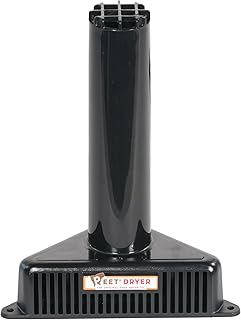
PEET SafeKeeping Dehumidifier
PEET has been doing warm-air circulation longer than most, and this unit covers up to 300 cu ft silently with a five-year warranty behind it. Installation is a two-minute job, and the low wattage means you barely notice it on the electric bill.
Afloia TOPZ 2+1 Rechargeable Cordless
A clever hybrid: cordless desiccant operation with a heating base you plug in to regenerate the crystals, so there is no oven step. Great for safes with no cord path, plus it moves easily to a truck cab or boat locker.
Eva-Dry E-333 Wireless Mini
The compact classic, and still the best value for pistol safes and cabinets under about 15 cubic feet. Plug it into a wall outlet for eight to ten hours when the beads turn pink, then drop it back in for another month or two.
Frequently Asked Questions
What humidity level should I target inside a gun safe?
Between 40 and 50% relative humidity. Below 30% can dry out wooden stocks and leather slings; above 55% invites surface rust on exposed steel.
Do I need to drill my safe to install an electric dehumidifier?
Most safes ship with a rubber-plugged access hole in the back or floor. If yours does not, a 1/2-inch hole in the rear panel is standard practice and will not compromise fire rating in the door assembly.
Can I use two units in one safe?
Yes, and it is often smart. A rod near the floor plus a desiccant canister on an upper shelf handles both stratification and power outages.
How often do silica gel canisters need recharging?
Every three to six weeks in humid regions, up to several months in dry climates. The indicator window tells you rather than the calendar.
Final Thoughts
For most wired safes, the PEET SafeKeeping unit is the reliable long-haul choice, while the 360° circular-air model with its built-in fan wins for tall interiors that need real air movement. If you cannot run a cord, the Eva-Dry E-333 handles small cabinets cheaply and the XL 450g silica canister covers the big ones without a single watt of electricity.