Key takeaways
- Runtime versus power draw: Advertised figures like 70 or 130 minutes are measured on the lowest setting. Expect roughly a third of that on max suction, so if you’re cleaning a large space in one pass, prioritize dual-battery systems or hot-swappable packs over headline numbers.
- Suction and wattage in context: 50KPa to 55KPa and 600W to 650W ratings are sealed-suction lab measurements, not real-world pickup. Nozzle design and seal quality matter just as much, so treat these figures as a rough tier indicator rather than a ranking.
- Filtration grade: If you’re dealing with drywall dust, MDF particulate, or allergens, HEPA-media filtration is worth paying for. Sealed systems prevent fine dust from blowing straight back into the room through the exhaust.
- Body style and ergonomics: Backpack units distribute weight across your hips and shoulders and win for continuous large-area work. Stick vacuums are faster to grab and better around furniture, especially with a self-standing base and a foldable wand for under-sofa reach.
- Serviceability: Check whether the dust cup empties without touching the debris, whether the brush roll pops out with a coin or a thumb latch, and whether replacement filters and batteries are actually stocked. A vacuum you can’t maintain is a rental, not a tool.
What's inside
If you’ve ever hauled a corded upright through a 3,000-square-foot workshop, you already know the real enemy isn’t dust — it’s the extension cord. Commercial-grade cleaning means covering long distances, working around benches and furniture legs, and getting into corners where an outlet is a fantasy. The trouble is that most “commercial” cordless machines fall into two camps: heavy-duty backpacks built for janitorial crews that shrug off abuse but weigh on your shoulders, and high-suction stick vacuums that move fast but tap out mid-job. Picking the wrong side of that line means either a sore back or a dead battery halfway through the floor.
I’ve spent a lot of time cleaning up after sanding sessions, sawdust drifts, and pet hair embedded in area rugs, so this guide looks at cordless commercial vacuums the way a maker would: runtime you can actually plan a job around, filtration that keeps fine particulate out of the air, brush rolls that don’t seize on hair and fibers, and whether the tool stands up on its own when you set it down to move a chair. Below you’ll find the models worth considering in 2026, plus the specs that matter and the marketing numbers you can safely ignore.
As an Amazon Associate we earn from qualifying purchases.




How to Choose a Cordless Commercial Vacuum (2026)
- Runtime versus power draw: Advertised figures like 70 or 130 minutes are measured on the lowest setting. Expect roughly a third of that on max suction, so if you’re cleaning a large space in one pass, prioritize dual-battery systems or hot-swappable packs over headline numbers.
- Suction and wattage in context: 50KPa to 55KPa and 600W to 650W ratings are sealed-suction lab measurements, not real-world pickup. Nozzle design and seal quality matter just as much, so treat these figures as a rough tier indicator rather than a ranking.
- Filtration grade: If you’re dealing with drywall dust, MDF particulate, or allergens, HEPA-media filtration is worth paying for. Sealed systems prevent fine dust from blowing straight back into the room through the exhaust.
- Body style and ergonomics: Backpack units distribute weight across your hips and shoulders and win for continuous large-area work. Stick vacuums are faster to grab and better around furniture, especially with a self-standing base and a foldable wand for under-sofa reach.
- Serviceability: Check whether the dust cup empties without touching the debris, whether the brush roll pops out with a coin or a thumb latch, and whether replacement filters and batteries are actually stocked. A vacuum you can’t maintain is a rental, not a tool.
The Best Cordless Commercial Vacuum (2026)s Reviewed
X7A Pro Cordless Stick Vacuum (650W, 55KPa)
This is the balanced pick for mixed hardwood and carpet: the anti-tangle brush roll genuinely resists wrapping on pet hair and long fibers, and the self-standing design means you can park it mid-job without leaning it against a wall. The touch screen gives you honest battery feedback, which matters more than the 70-minute claim when you’re planning a large clean.
Upgraded 55KPa Stick Vacuum with Hurricane Mode
The 1.8L dust cup is the standout here — noticeably fewer trips to the trash can during a heavy sawdust or shop-floor cleanup. Hurricane mode is the burst setting you’ll reach for on ground-in carpet grit, though as with any max-power mode, plan on a shorter session or a spare battery.
Hoover Commercial Shoulder Vac Pro
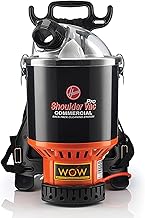
The one corded outlier worth including, because nothing cordless matches its endurance for continuous multi-room work. The chiropractic harness design distributes load properly and HEPA media filtration handles fine particulate, making it the right call for large fixed spaces where you can plan a cord route.
Tomahawk 18V Battery Backpack Vacuum (6L)
This is the true cordless commercial machine on the list: a 6L bagged capacity, genuinely quiet operation, and a lightweight frame that makes long stints tolerable. If you’re cleaning occupied spaces or working solo across a large footprint, this is the format that eliminates cord management entirely.
Dual-Battery Cordless Vacuum (130 Min, 50KPa)
Two batteries transform the usage model — you clean on one while the other charges, which is the closest a stick vacuum gets to unlimited runtime. The 3.3-foot hose and sofa brush make it surprisingly capable on upholstery and stair edges, and the wall-mount charging dock keeps it off the floor in a tight workshop.
Frequently Asked Questions
Is a cordless stick vacuum strong enough for commercial use?
For light commercial and workshop duty, yes — modern 600W-class motors handle sawdust, grit, and pet hair well. For daily multi-hour janitorial routes, a backpack unit with larger capacity and better weight distribution will hold up considerably better.
How long do the batteries actually last?
Runtime claims assume the lowest suction setting with a non-powered tool attached. On max power with a motorized brush head, expect 12 to 20 minutes per pack, which is why dual-battery configurations are worth the premium.
Do I need HEPA filtration in a workshop?
If you cut MDF, plywood, or drywall, absolutely. Fine particulate from those materials stays airborne for hours and standard foam filters pass a meaningful amount straight through the exhaust.
How do I keep the brush roll from clogging?
Anti-tangle designs help, but they aren’t immune. Pull the roller monthly and clear the end caps with a seam ripper or utility blade — that’s where hair and thread actually accumulate and start dragging the motor.
Final Thoughts
For most workshops and furnished homes doing commercial-level cleanup, the X7A Pro hits the best balance of suction, anti-tangle reliability, and grab-and-go convenience. If you’re covering large open floors solo, the Tomahawk 18V backpack is the format that actually solves the cord problem, while the dual-battery 130-minute model is the smart choice when your cleaning sessions run longer than a single charge.