Key takeaways
- Comfort layer depth: Aim for at least 3 to 4 inches of foam above the support core. Your shoulder needs somewhere to go, and a thin 1-inch topper over firm coils will bottom out fast. Total heights of 12 to 14 inches usually mean the manufacturer had room to build a proper cushioning stack.
- Feel calibration: Medium to medium-soft suits most side sleepers under 200 lbs. Heavier sleepers often do better on a medium-firm hybrid, because the coils push back against deeper hip sink. Ignore the marketing word and look at foam density plus layer order instead.
- Pocketed coils over connected springs: Individually wrapped coils flex independently, so they contour around your hip instead of resisting as one unit. They also cut motion transfer dramatically, which matters if you share the bed and shift positions all night.
- Heat management: Side sleeping means more surface contact, and more contact means more trapped heat. Gel infusions, copper or graphene additives, and open-cell foam all help, but breathable coil layers do the most real work by allowing airflow underneath you.
- Trial length and fiberglass-free construction: Your body needs three to four weeks to adapt, so a 100-night minimum is essential and a 365-night trial is better. Also confirm the fire barrier isn’t loose fiberglass — if that inner cover ever tears, cleanup is genuinely miserable.
What's inside
Side sleeping puts your entire body weight onto two narrow pressure zones: the shoulder and the hip. If the mattress underneath doesn’t yield in those spots, your spine bends into an S-curve for eight hours and you wake up with a stiff shoulder, a numb arm, or a low back that takes twenty minutes to loosen up. Push too far the other way, though, and an ultra-soft slab lets your hips sink until your lumbar curve collapses. The sweet spot is narrow, which is exactly why so many boxed mattresses that get glowing reviews from back sleepers feel wrong the moment you roll onto your side.
I’ve spent years unboxing, cutting open, and re-covering foam for shop builds and guest room upgrades, so I look at these the way I’d look at any layered material stack: what’s the comfort layer made of, how thick is it, and what’s holding it up? This guide breaks down the online mattresses that actually earn their keep for side sleepers in 2026 — the hybrids that let your shoulder drop in without giving up support, and the all-foam options worth the trade-off. I’ll walk you through the specs that matter, then review the top contenders one by one.
As an Amazon Associate we earn from qualifying purchases.


How to Choose a/an Online Mattress For Side Sleepers (2026)
- Comfort layer depth: Aim for at least 3 to 4 inches of foam above the support core. Your shoulder needs somewhere to go, and a thin 1-inch topper over firm coils will bottom out fast. Total heights of 12 to 14 inches usually mean the manufacturer had room to build a proper cushioning stack.
- Feel calibration: Medium to medium-soft suits most side sleepers under 200 lbs. Heavier sleepers often do better on a medium-firm hybrid, because the coils push back against deeper hip sink. Ignore the marketing word and look at foam density plus layer order instead.
- Pocketed coils over connected springs: Individually wrapped coils flex independently, so they contour around your hip instead of resisting as one unit. They also cut motion transfer dramatically, which matters if you share the bed and shift positions all night.
- Heat management: Side sleeping means more surface contact, and more contact means more trapped heat. Gel infusions, copper or graphene additives, and open-cell foam all help, but breathable coil layers do the most real work by allowing airflow underneath you.
- Trial length and fiberglass-free construction: Your body needs three to four weeks to adapt, so a 100-night minimum is essential and a 365-night trial is better. Also confirm the fire barrier isn’t loose fiberglass — if that inner cover ever tears, cleanup is genuinely miserable.
The Best Online Mattress For Side Sleepers (2026)s Reviewed
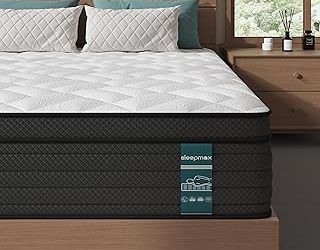
Sleepmax 14 Inch Hybrid Queen
The 14-inch build gives Sleepmax room for a thick pressure-relieving foam stack over pocketed coils, and that combination is close to ideal for side sleepers who still want structure under the lumbar. The 365-night trial and CertiPUR-US, fiberglass-free construction make it a low-risk pick if you’re buying without a showroom test.
Soft Plush 14 Inch Hybrid
This one is engineered specifically for side sleeping, pairing gel memory foam with pocketed springs at a genuinely plush surface feel. If your shoulder aches on medium-firm beds, this is the one I’d try first — just note that lighter, softer builds like this suit smaller frames better than heavy ones.
Nectar Premier 13″ Memory Foam
Nectar’s Premier is the polished all-foam option here, with slow-responding memory foam that cradles the hip and shoulder rather than pushing back. It runs medium-firm, so it’s a strong pick for combination sleepers who spend part of the night on their back, and the full-year trial removes most of the guesswork.
EGOHOME 14 Inch Copper Gel Memory Foam
Copper gel infusion plus a graphene-cool-tech cover gives this one better heat handling than most all-foam mattresses, and the ICA endorsement signals real attention to spinal alignment. It’s the pick for side sleepers whose main complaint is lower back pain rather than shoulder pressure.
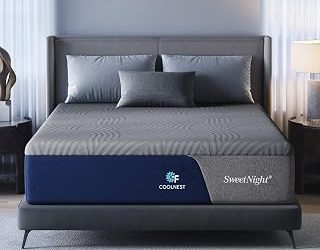
Sweetnight CoolNest 14 Inch King
The five-zone ergonomic layout is the standout feature: softer foam under the shoulders, firmer support beneath the hips, which is exactly the profile side sleeping asks for. In king size with strong breathability, it’s the best fit for couples who both sleep on their sides and run warm.
Frequently Asked Questions
How firm should a mattress be for side sleepers?
Most side sleepers land between medium-soft and medium on a 10-point scale, roughly a 4 to 6. The goal is a surface that lets the shoulder and hip sink about an inch further than the waist so your spine stays level from neck to tailbone.
Is a hybrid better than all-foam for side sleeping?
Usually, yes. Hybrids give you the deep contouring of foam on top with coil support underneath, so your hips don’t over-sink, and they sleep cooler. All-foam beds still win on motion isolation and price, so it’s a genuine trade-off rather than a clear rule.
How long before a new mattress feels right?
Give it 21 to 30 nights. Foam softens slightly with use and your body recalibrates after months on a different surface, so early-week discomfort is a poor predictor of long-term comfort. That’s why generous trial windows matter more than return-friendly marketing.
Do I need a new foundation or box spring?
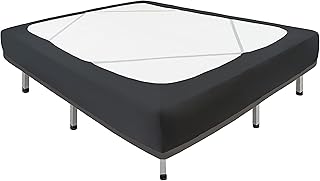
Boxed mattresses need a flat, rigid surface — a platform bed, a bunkie board, or a slatted frame with gaps under 3 inches. Old bouncy box springs let the foam flex unevenly, which creates soft spots and can void your warranty.
Final Thoughts
For most side sleepers, the Sleepmax 14 Inch Hybrid is the smartest starting point: a deep comfort layer over pocketed coils, backed by a full year to change your mind. If shoulder pressure is your specific problem, go with the Soft Plush 14 Inch Hybrid for its softer contouring, and if you sleep hot or share a king with another side sleeper, the Sweetnight CoolNest and its five-zone support layout is the one I’d put in my own guest room.