Key takeaways
- Tank size over everything: Plants need consistent humidity, which means long runtimes. A 2L tank in a dry room empties overnight. Look at 4L minimum for a plant corner, 6–8L if you’re humidifying a whole room or a large collection.
- Top-fill design: Hauling a full tank to the sink and wrestling it back upside-down gets old by week two. Top-fill lets you pour from a pitcher without moving anything. This single feature determines whether you’ll actually keep using the thing.
- Nozzle direction and height: Cool mist falls. If the outlet sits below your leaves, you’re humidifying the floor. A 360° rotating nozzle or an elevated placement gets moisture into the canopy where stomata actually are.
- Humidistat, not just timers: Auto humidity control shuts the unit off at your target instead of running blind. Without it you either underdeliver or soak the wall behind the shelf — I’ve done both.
- Cleanability: Ultrasonic units grow biofilm fast in a warm plant room. Wide tank openings you can reach into with a brush beat narrow-neck designs every time. Dishwasher-safe parts are a genuine bonus.
What's inside
Winter heating turns most living rooms into a desert. My hygrometer sat at 24% humidity last January, and the calathea I’d been babying since spring started curling its edges like old paper. Misting bottles are theater — the moisture evaporates in twenty minutes and does nothing for the air surrounding the leaves. What plants actually need is a sustained bump in ambient humidity, and that means a machine running most of the day, not a spritz when you remember.
I’ve had six units cycling through my plant shelf and workshop over the past year, tracking refill intervals, mineral dust, tank-cleaning hassle, and how far mist actually travels before it drops. This guide covers what matters when you’re buying for plants specifically — not for a nursery, not for sinus relief — plus honest notes on where each of these units earns its shelf space and where it falls short.
As an Amazon Associate we earn from qualifying purchases.




How to Choose a Plant Humidifier (2026)
- Tank size over everything: Plants need consistent humidity, which means long runtimes. A 2L tank in a dry room empties overnight. Look at 4L minimum for a plant corner, 6–8L if you’re humidifying a whole room or a large collection.
- Top-fill design: Hauling a full tank to the sink and wrestling it back upside-down gets old by week two. Top-fill lets you pour from a pitcher without moving anything. This single feature determines whether you’ll actually keep using the thing.
- Nozzle direction and height: Cool mist falls. If the outlet sits below your leaves, you’re humidifying the floor. A 360° rotating nozzle or an elevated placement gets moisture into the canopy where stomata actually are.
- Humidistat, not just timers: Auto humidity control shuts the unit off at your target instead of running blind. Without it you either underdeliver or soak the wall behind the shelf — I’ve done both.
- Cleanability: Ultrasonic units grow biofilm fast in a warm plant room. Wide tank openings you can reach into with a brush beat narrow-neck designs every time. Dishwasher-safe parts are a genuine bonus.
The Best Plant Humidifier (2026)s Reviewed
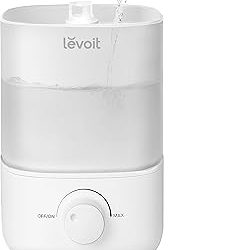
Levoit NeoClassic 450
The 4.2L top-fill tank plus dishwasher-safe components make this the easiest unit to actually maintain, which is why it stayed on my shelf longest. At 21dB it disappears into background noise, and the 42-hour runtime means a refill every other day rather than every morning.
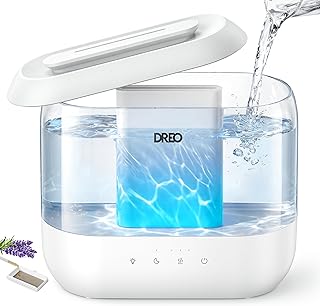
DREO HM311 4L
A near-identical spec sheet to the Levoit with a slightly wider tank mouth — I could get a whole hand inside to scrub, which matters more than the numbers suggest. The 36-hour runtime and genuinely quiet operation make it a strong pick if you want no-fuss output without app pairing.
VIVOSUN AeroStream H05
This is the grower’s tool: a remote humidity probe and VPD-based control mean it regulates based on actual plant transpiration conditions, not a guess from the unit’s own housing. Overkill for three pothos, exactly right for a grow tent or a serious collection where you’re chasing specific targets.
Coolfiqu 6L Warm & Cool Mist
The warm mist mode is the interesting part — heated output disperses further and doesn’t chill the leaf surface, which helps in cold rooms where cool mist can shock tropicals. Auto humidity control and a 360° nozzle round out a well-thought-out 6L package.
8L Large Room Humidifier with Night Light
At 2.1 gallons this is the one to buy if you’re humidifying an entire plant room and want to refill twice a week. Output is strong enough that I’d keep it three feet clear of walls and furniture to avoid condensation, but for sheer coverage nothing else here matches it.
Frequently Asked Questions
What humidity level do most houseplants want?
Tropicals like calathea, ferns, and anthurium prefer 55–70%. Most common houseplants do fine at 45–55%. Cheap hygrometers drift badly, so I’d cross-check with a second one before trusting a reading.
Should I use distilled water?
For ultrasonic units, yes — tap water leaves white mineral dust on leaves and furniture. If distilled isn’t practical, expect to wipe surfaces weekly and descale the tank with vinegar every couple of weeks.
Can I put the humidifier right next to my plants?
Keep it 12–24 inches away. Direct mist on foliage causes water to pool in leaf crowns, which invites rot on plants like African violets and some bromeliads.
Do essential oil diffuser features hurt plants?
Oils can leave residue on leaves and clog ultrasonic diaphragms. Use the feature if you want scent, but run plain water when the unit’s job is plant humidity.
Final Thoughts
For most plant collections the Levoit NeoClassic 450 is the pick — easiest to clean, quietest, and long enough runtime to stop thinking about it. Go with the VIVOSUN AeroStream H05 if you’re running a grow tent and want probe-based VPD control, or the Coolfiqu 6L if your plant room runs cold and warm mist would serve you better.