Key takeaways
- Measure your pocket depth first: Stack mattress plus any existing protector, then add an inch. A 12″ mattress in an 8″–21″ pocket sits fine; that same mattress in a snug 6″–18″ stretch pocket will grip better and shift less. Undersized skirts pop corners at 3 a.m.
- Match fill to your sleep temperature: Down alternative traps warmth and gives you the deepest plush. Cotton and rayon-from-bamboo shells move moisture instead. Hot sleepers should trade an inch of loft for a breathable face fabric every time.
- Check the quilt pattern, not the thickness claim: Box quilting locks fiber into cells so it can’t migrate to the foot of the bed. Wide channel stitching looks luxurious in photos and goes lumpy after a few washes.
- Confirm it fits your washer: A queen topper with heavy overfill can hit 12 pounds wet. If you’re on a compact machine, choose a lighter cotton pad or plan on a laundromat run twice a year.
- Be clear about what it can and can’t fix: A topper masks firmness and adds surface comfort. It won’t rescue a mattress with a broken coil or a visible trench. Press down on the sag: if your hand disappears, you need a new mattress, not a pad.
What's inside
Anyone who has flipped a sagging mattress and hoped for the best knows the fix rarely lasts. A topper pad is the cheapest structural upgrade you can make to a bed short of replacing it, but the aisle is a mess of overlapping labels: pillow top, mattress pad, protector, topper. Half of them promise cooling and back relief in the same breath, which should raise an eyebrow, since loft and airflow usually pull against each other.
I approached this the way I’d approach any bench test: strip the marketing, look at fill weight, shell fiber, pocket depth, and how the quilting is anchored. Below are six toppers worth your money in 2026, plus the specs that actually predict whether one will still feel good in month eight.
As an Amazon Associate we earn from qualifying purchases.


How to Choose a/an Mattress Topper Pad (2026)
- Measure your pocket depth first: Stack mattress plus any existing protector, then add an inch. A 12″ mattress in an 8″–21″ pocket sits fine; that same mattress in a snug 6″–18″ stretch pocket will grip better and shift less. Undersized skirts pop corners at 3 a.m.
- Match fill to your sleep temperature: Down alternative traps warmth and gives you the deepest plush. Cotton and rayon-from-bamboo shells move moisture instead. Hot sleepers should trade an inch of loft for a breathable face fabric every time.
- Check the quilt pattern, not the thickness claim: Box quilting locks fiber into cells so it can’t migrate to the foot of the bed. Wide channel stitching looks luxurious in photos and goes lumpy after a few washes.
- Confirm it fits your washer: A queen topper with heavy overfill can hit 12 pounds wet. If you’re on a compact machine, choose a lighter cotton pad or plan on a laundromat run twice a year.
- Be clear about what it can and can’t fix: A topper masks firmness and adds surface comfort. It won’t rescue a mattress with a broken coil or a visible trench. Press down on the sag: if your hand disappears, you need a new mattress, not a pad.
The Best Mattress Topper Pad (2026)s Reviewed
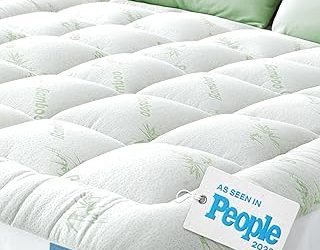
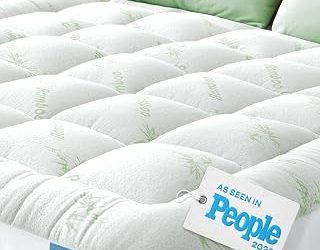
Niagara Sleep Solution Bamboo Cooling Topper (Full)
The rayon-from-bamboo face is the standout here, wicking sweat off skin fast enough that you notice the difference within a week. Its 20″ pocket swallows even a pillow-top mattress with a protector already on it, and the green colorway is a nice break from endless white.
EASELAND Cotton Pillow Top Pad (Queen)
This is the workhorse of the group: dense box quilting, a genuine cotton top, and an 8″–21″ skirt range that fits almost anything. It survives machine washing better than any pad here, which makes it the obvious pick for kids’ rooms and guest beds.
BEDLORE Viscose Bamboo Pillow Top (Queen)
Thick loft paired with a breathable viscose bamboo shell, so you get pressure relief without the heat penalty that usually comes with it. The stretch pockets are calibrated for 6″–18″ mattresses and hold corners tight, which matters if you’re a restless sleeper.
Extra Thick 100% Cotton Pillow Top Pad (Queen)
Straightforward construction done right: pure cotton on top, generous fill underneath, no synthetic slickness against your skin. Side sleepers who want cushioning at the hip and shoulder without a swampy microfiber surface should start here.
ELEMUSE Extra Thick Mattress Pad (Queen)
The plushest option in the roundup, with overfilled down-alternative fill that genuinely softens a too-firm mattress. Expect it to run warmer than the bamboo and cotton options, so pair it with breathable sheets if you sleep hot.
Frequently Asked Questions
What’s the actual difference between a mattress pad and a topper?
A pad is thinner and fitted, mainly there to protect and lightly cushion. A topper adds real loft and changes how firm the bed feels. The overfilled pillow-top models here blur that line, doing both jobs at once.
Can a topper fix lower back pain?
Sometimes. If your mattress is too firm and your lumbar curve isn’t supported, added cushioning helps. If the mattress sags in the middle, a topper follows that dip and you’ll wake up just as sore.
How often should I wash it?
Two to four times a year is reasonable if you use a sheet, more if you sleep hot or share the bed with pets. Cold wash, low tumble, and add clean tennis balls to break up clumped fill as it dries.
Will it slide around?
Not if the pocket depth is right. Most slippage traces back to an oversized skirt on a thin mattress. If yours is loose, add sheet suspenders at the corners rather than fighting it nightly.
Final Thoughts
For most beds, the EASELAND cotton pillow top is the safest buy: durable quilting, wide fit range, and it holds up in the wash. Hot sleepers should go with the BEDLORE viscose bamboo for its loft-plus-airflow balance, or the Niagara Sleep Solution bamboo topper if you need that deep 20″ pocket. Measure your mattress before you order, and you’ll get it right the first time.