Key takeaways
- Profile height: Measure from your floor to the top of your bed frame’s support rails, then add your mattress thickness. A 2-inch bunkie board keeps a platform bed low and modern; 8 to 9 inches restores the traditional bed height most people expect when sitting down.
- Frame material: Steel foundations resist sag over time and carry higher load ratings, while kiln-dried wood absorbs sound better and feels more solid underfoot. Both work — the difference shows up in weight capacity and how they behave on hardwood floors.
- Slat spacing: Anything over three inches between slats voids most memory foam warranties and lets the mattress dip between supports. Check the actual gap measurement, not just the slat count.
- Assembly reality: Tool-free designs with pre-attached hardware take about ten minutes. Fully assembled units skip that step entirely but need a clear path through your doorways and stair turns, so check the shipping dimensions before ordering.
- Weight rating with headroom: Add your mattress weight to combined sleeper weight, then look for a foundation rated well above that number. A 3,000-pound rating isn’t marketing fluff; it’s the margin that prevents joint creep after a few years of use.
What's inside
Box spring shopping has a way of turning into a research project you never signed up for. The old one under your mattress squeaks, sags in the middle, or simply doesn’t match the height you want anymore, and suddenly you’re deep in a spec sheet comparing slat spacing and weight ratings. Local furniture stores tend to push whatever foundation matches the mattress they’re selling you, and it’s rarely the one you actually need. Meanwhile, the box you have to haul up a stairwell is a real consideration — anyone who has wrestled a fully assembled queen foundation around a landing knows that dimension matters as much as the specs.
This guide takes the maker’s approach: what’s inside these things, how they go together, and which ones hold up once you’ve got weight on them. I’ve focused on foundations that ship flat, assemble with minimal tools, and give you honest structural support instead of a fabric-wrapped frame that flexes under load. Whether you need a low-profile bunkie board to salvage a platform bed or a full-height traditional foundation, here’s what’s worth your money in 2026.
As an Amazon Associate we earn from qualifying purchases.


How to Choose a Place To Buy A Box Spring (2026)
- Profile height: Measure from your floor to the top of your bed frame’s support rails, then add your mattress thickness. A 2-inch bunkie board keeps a platform bed low and modern; 8 to 9 inches restores the traditional bed height most people expect when sitting down.
- Frame material: Steel foundations resist sag over time and carry higher load ratings, while kiln-dried wood absorbs sound better and feels more solid underfoot. Both work — the difference shows up in weight capacity and how they behave on hardwood floors.
- Slat spacing: Anything over three inches between slats voids most memory foam warranties and lets the mattress dip between supports. Check the actual gap measurement, not just the slat count.
- Assembly reality: Tool-free designs with pre-attached hardware take about ten minutes. Fully assembled units skip that step entirely but need a clear path through your doorways and stair turns, so check the shipping dimensions before ordering.
- Weight rating with headroom: Add your mattress weight to combined sleeper weight, then look for a foundation rated well above that number. A 3,000-pound rating isn’t marketing fluff; it’s the margin that prevents joint creep after a few years of use.
The Best Place To Buy A Box Spring (2026)s Reviewed
MAF 2 Inch Queen Bunkie Board with Wood Slats
This is the fix for a platform bed with broken or badly spaced slats, and at 2 inches it adds support without raising your mattress noticeably. The 3,500-pound rating comes from properly spaced hardwood slats rather than a thin frame, and the rounded corners mean you stop bruising your shins on the bed edge.
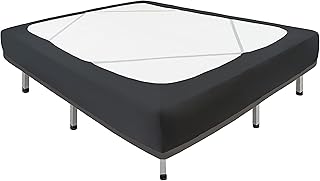
Amazon Basics Smart Box Spring Bed Base, 5-Inch, Full
A genuinely clever piece of engineering — it ships in a compact box and the steel frame snaps together without a single tool, then hides under a fabric cover that reads like a traditional foundation. The 5-inch height splits the difference nicely for anyone who finds a full-profile box spring too tall but wants more than a bunkie board.
9 Inch Queen Heavy Duty Metal Mattress Foundation
If you want that classic tall bed height back, this steel foundation delivers it with a 3,000-pound capacity and welded joints that stay silent under movement. The fabric cover is a nice finishing touch, though the real value is the rigid steel structure underneath it.
Greaton 8-Inch Wood Box Spring, Queen
Amish-built in the USA and shipped fully assembled in two pieces, which is the smart move for a queen — each half fits through a standard doorway and up most staircases. The kiln-dried wood frame is dead quiet and feels noticeably more substantial than imported alternatives at similar prices.
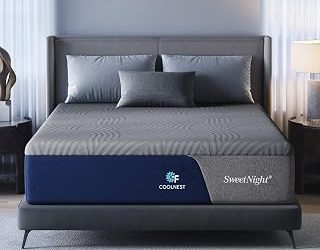
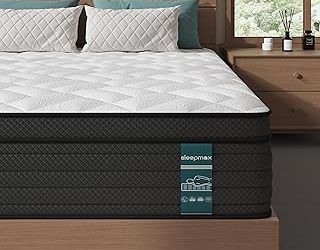
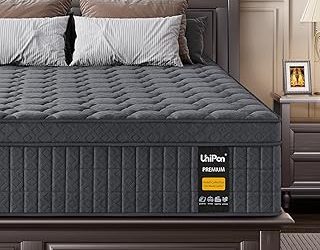
12 Inch Queen Hybrid Mattress in a Box
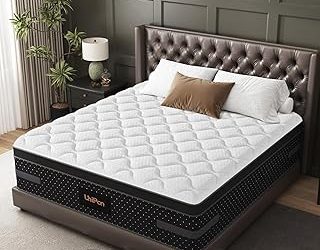
Worth pairing with any of the above foundations: pocket springs handle support, gel foam and a latex layer manage heat, and it’s fiberglass-free with CertiPUR-US certified foam. The 365-night trial gives you a full year of seasons to decide, which is more honest than the typical 100-night window.
Frequently Asked Questions
Do I actually need a box spring in 2026?
Not always. Modern platform beds with slats under three inches apart provide adequate support on their own. You need a foundation if your frame has wide slat gaps, uses a metal grid, or if you want to raise your bed height.
Can a bunkie board replace a full box spring?
For support, yes — a quality bunkie board distributes weight just as effectively. What it won’t do is add height, so only choose one if your frame is already at a comfortable elevation.
Why does my box spring squeak?
Usually it’s fasteners loosening at the frame joints or wood-on-wood contact where slats meet the rails. Tightening hardware fixes most cases; adding felt pads at contact points handles the rest.
How long should a box spring last?
Eight to ten years for a well-built one. Steel foundations generally outlast wood, but the honest indicator is sag — if you can feel a dip when pressing down between supports, it’s done.
Final Thoughts
For most buyers, the Greaton 8-Inch Wood Box Spring is the strongest all-around pick: fully assembled, quiet, and built to last with genuine domestic craftsmanship. If you’re rescuing a platform bed or need minimal added height, the MAF 2 Inch Bunkie Board does exactly one job and does it well, while the Amazon Basics Smart Box Spring Bed Base earns its spot for anyone dealing with tight stairwells and a tool-free setup requirement.