Key takeaways
- Measure first: Confirm the frame’s inside dimensions, not just the advertised twin size. Most twin mattresses are approximately 38 by 75 inches, but small variations can matter in a snug daybed or trundle.
- Match the thickness: Five- and six-inch models preserve more clearance and are often easier to use with a trundle. Eight-inch mattresses generally provide more cushioning but can make the seating surface taller.
- Choose the feel: Medium-firm foam is a versatile choice for sitting and sleeping. Side sleepers may appreciate more pressure relief, while back and stomach sleepers often prefer firmer, more even support.
- Check the platform: Foam mattresses need a properly supported, reasonably flat base. Measure slat spacing and inspect for sharp edges before unboxing a new mattress.
- Plan for expansion: Bed-in-a-box mattresses need time to regain their intended shape. Unbox the mattress in the room where it will be used, then follow the manufacturer’s expansion and care instructions.
What's inside
A daybed looks compact and uncomplicated—until you try to find a twin mattress that fits its frame, sits at the right height, and feels comfortable enough for both lounging and sleeping. A mattress that is too thick can make a daybed look bulky or interfere with a trundle, while one that is too thin may expose the frame’s support points.
This guide compares practical twin mattresses for daybeds, focusing on thickness, support, cooling, construction, certifications, and everyday setup. Whether you are refreshing a guest room, building a reading nook, or finishing a DIY daybed project, these picks cover several useful comfort levels and budgets.
As an Amazon Associate we earn from qualifying purchases.


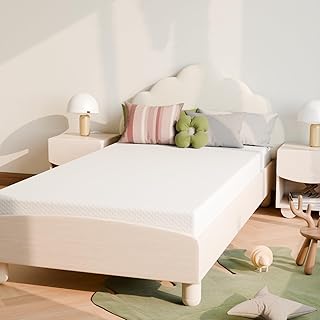


How to Choose a Twin Mattress For Daybed (2026)
- Measure first: Confirm the frame’s inside dimensions, not just the advertised twin size. Most twin mattresses are approximately 38 by 75 inches, but small variations can matter in a snug daybed or trundle.
- Match the thickness: Five- and six-inch models preserve more clearance and are often easier to use with a trundle. Eight-inch mattresses generally provide more cushioning but can make the seating surface taller.
- Choose the feel: Medium-firm foam is a versatile choice for sitting and sleeping. Side sleepers may appreciate more pressure relief, while back and stomach sleepers often prefer firmer, more even support.
- Check the platform: Foam mattresses need a properly supported, reasonably flat base. Measure slat spacing and inspect for sharp edges before unboxing a new mattress.
- Plan for expansion: Bed-in-a-box mattresses need time to regain their intended shape. Unbox the mattress in the room where it will be used, then follow the manufacturer’s expansion and care instructions.
The Best Twin Mattress For Daybed (2026)s Reviewed
EGOHOME 8-Inch Twin Mattress
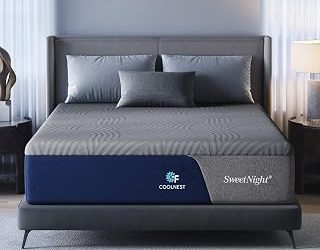
The EGOHOME is a strong all-purpose choice when your daybed can accommodate a thicker mattress. Its memory foam and cooling green tea gel construction aim to combine pressure relief with a medium-firm feel, making it suitable for a guest bed that also doubles as a comfortable sofa. The 8-inch profile adds cushioning, though it may be too tall for some trundles.
FDW 5-Inch Twin Mattress
For a low-profile daybed or pull-out setup, the FDW’s 5-inch design is refreshingly practical. Its dual-construction gel memory foam build targets pressure relief without taking up much vertical space, and the removable washable cover is a useful DIY-friendly feature for a guest room or children’s space.
MLILY 6-Inch Twin Mattress
The MLILY Twin Mattress lands in a useful middle ground: more cushioning than a five-inch model, but less bulk than an eight-inch mattress. Its medium-firm memory foam feel, green tea gel, and daybed- and bunk-friendly sizing make it a versatile pick for compact furniture projects and occasional sleepers.
5-Inch Medium-Firm Cooling Gel Twin Mattress
This fiberglass-free 5-inch mattress is designed with low-clearance furniture in mind, including daybeds, trundles, and bunk beds. Its medium-firm cooling gel memory foam profile should suit shoppers who want straightforward support while keeping the seating height manageable.
Neo Sleep 8-Inch Cool Hybrid Twin Mattress
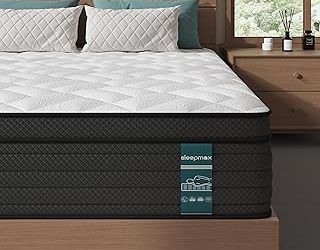
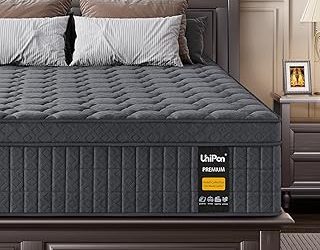
The Neo Sleep stands apart from the all-foam options with an innerspring coil support system. That hybrid structure can provide a more buoyant, even feel and may appeal to sleepers who dislike the deep “sinking” sensation of memory foam. Its 8-inch height and anti-slip bottom are worth considering when pairing it with a sturdy, fixed daybed frame.
Frequently Asked Questions
What mattress thickness is best for a daybed?
Five to eight inches works well for many daybeds, but the frame and any trundle should decide the final choice. A thinner mattress preserves clearance, while a thicker one generally offers more cushioning and a more conventional bed feel.
Can I use a regular twin mattress on a daybed?
Yes, provided the mattress fits the frame’s internal dimensions and the support system is suitable. Check the manufacturer’s guidance for slat spacing, weight limits, and required center support before installation.
Is memory foam or a hybrid mattress better for a daybed?
Memory foam is quiet, easy to handle, and often convenient for compact furniture. A hybrid can feel more responsive and supportive, but it may be heavier and slightly more difficult to maneuver during a DIY build or room rearrangement.
How long should a boxed mattress expand?
Expansion times vary by model and room conditions. Let the mattress rest on its intended foundation and follow the included instructions; avoid judging its final comfort immediately after opening the box.
Final Thoughts
For a low-profile daybed, the FDW 5-Inch Twin Mattress and the MLILY 6-Inch Twin Mattress are especially practical. If your frame has room for extra height and cushioning, the EGOHOME 8-Inch Twin Mattress is a compelling all-rounder, while the Neo Sleep hybrid is worth a look for shoppers who prefer springier support.