Key takeaways
- Measure the platform, not the old mattress: Old foam compresses and shrinks at the edges, so tracing it will leave you short. Measure the plywood or slat deck itself, note where walls bow inward, and record any cut corners with two edge lengths plus the angle.
- Match thickness to your entry clearance: A 10-inch mattress feels great until it blocks a slide-out or puts your shoulder against a window frame. Check the gap between platform and ceiling, and account for overhead cabinets you’ll be swinging past at 3 a.m.
- Choose a cover for your climate: Water-resistant covers are the smart default in vans and teardrops where condensation drips off cold metal. Organic cotton or quilted knit breathes better and feels less crinkly, but wants a rig with decent ventilation.
- Density over plushness: A high-density polyurethane core holds its shape over years of road vibration far better than a soft, low-density foam that will develop a body-shaped trough. If you want pressure relief, add a gel memory foam layer on top of a firm base rather than choosing a soft base.
- Confirm the tolerance and return policy: Custom-cut foam is usually non-returnable, and most makers work to a half-inch tolerance. Ask before ordering, and if you’re between sizes, size down slightly. A mattress that’s a hair small tucks in; one that’s a hair large bows in the middle.
What's inside
Anyone who has crawled into an RV bunk with a tape measure knows the problem: the bed platform is 73 inches on one side, 74 on the other, and the corner near the wheel well is rounded like a guitar pick. Factory RV mattresses are notoriously thin, often built to a size that exists nowhere else in the bedding world, and swapping in a standard queen usually means either a two-inch gap at the foot or a mattress you have to wrestle past a doorframe. For DIY van builders the situation is worse, since the sleeping platform is whatever the plywood and the wheel arches allowed.
This guide covers custom-cut RV and camper mattresses that ship to your exact measurements, including angled corners and odd depths. I’ve focused on foam construction quality, cover choice, how each one handles the humidity and condensation that come with living in a metal box, and whether the build is actually worth the price for a weekend rig versus a full-time setup. Below are the picks worth measuring twice for.
As an Amazon Associate we earn from qualifying purchases.


How to Choose a Custom Rv Mattress (2026)
- Measure the platform, not the old mattress: Old foam compresses and shrinks at the edges, so tracing it will leave you short. Measure the plywood or slat deck itself, note where walls bow inward, and record any cut corners with two edge lengths plus the angle.
- Match thickness to your entry clearance: A 10-inch mattress feels great until it blocks a slide-out or puts your shoulder against a window frame. Check the gap between platform and ceiling, and account for overhead cabinets you’ll be swinging past at 3 a.m.
- Choose a cover for your climate: Water-resistant covers are the smart default in vans and teardrops where condensation drips off cold metal. Organic cotton or quilted knit breathes better and feels less crinkly, but wants a rig with decent ventilation.
- Density over plushness: A high-density polyurethane core holds its shape over years of road vibration far better than a soft, low-density foam that will develop a body-shaped trough. If you want pressure relief, add a gel memory foam layer on top of a firm base rather than choosing a soft base.
- Confirm the tolerance and return policy: Custom-cut foam is usually non-returnable, and most makers work to a half-inch tolerance. Ask before ordering, and if you’re between sizes, size down slightly. A mattress that’s a hair small tucks in; one that’s a hair large bows in the middle.
The Best Custom Rv Mattress (2026)s Reviewed
Sydney Custom RV and Van Mattress
Built to order in the USA and clearly aimed at the DIY crowd, this one handles the awkward shapes that stop other makers cold, including angled cuts for wheel wells and narrow gaucho beds. The support feel is honest and firm rather than luxurious, which is exactly what you want when the mattress is doubling as a bench seat during the day.
Roam-M2 RV 10″ Gel Memory Foam
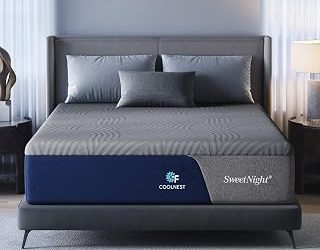
The most residential-feeling pick here, with a medium gel memory foam build that comes closest to your bed at home. Ten inches is a lot of mattress for an RV, so verify your headroom and door clearance first, but for full-timers who sleep in one rig year-round it’s the comfort upgrade worth the extra height.
Matini Home Custom Foam Mattress & Topper
The most configurable option on the list: pick firm, medium, or plush, add gel memory foam, and choose between a 100% organic or water-resistant cover. That cover choice matters more than people expect, and being able to order a matching topper in the same odd dimensions is genuinely useful for bunks.
High Density Foam Custom Size Mattress
A straightforward, well-priced high-density foam slab in medium firm or firm, with the practical advantage of a machine-washable zippered cover. That makes it a strong choice for bunks, daybeds, and any sleeping surface that hosts kids, dogs, or muddy campground weekends.
Kogler 7″ Gel-Infused Memory Foam RV Mattress
Seven inches is the sweet spot for RV bunks and narrow berths, and gel infusion helps with the heat that builds up in a tight, poorly ventilated bunk. It arrives compressed in a box, which is a real advantage when you’re carrying it through a 24-inch RV door.
Frequently Asked Questions
How do I measure for a cut corner or rounded edge?
Measure the full rectangle first, then measure inward from each corner along both edges to where the cut begins. Sketch it with those two numbers labeled and note whether the cut is straight or radiused. Most makers ask for exactly this, and a photo of your sketch on the platform prevents costly guesswork.
Will a foam mattress mold against a cold RV wall?
It can if air never reaches the underside. Add a ventilated mat or drill a few discreet holes in the platform, keep a small gap between the mattress and exterior walls, and stand the mattress up occasionally during storage. A water-resistant cover protects the foam but doesn’t solve trapped moisture on its own.
Can I cut a standard mattress down myself instead?
You can slice foam with an electric carving knife, but you’ll be left with a raw edge and a cover that no longer fits or seals. Between the wasted material and a sagging perimeter, ordering to size usually costs about the same and lasts considerably longer.
Is memory foam a good idea in cold weather camping?
Traditional memory foam stiffens below roughly 60 degrees. Gel-infused formulations handle temperature swings better, which is why they dominate this category. If you camp in genuine cold, put the memory foam layer above a supportive polyurethane core rather than relying on it alone.
Final Thoughts
For most builders, the Matini Home custom mattress offers the best balance of configurability and value, particularly the water-resistant cover option for van interiors. Full-time RVers who have the headroom should look hard at the Roam-M2 10-inch gel memory foam for near-residential comfort, while bunk and berth replacements are best served by the compressed-shipping convenience of the Kogler 7-inch. Whichever you choose, measure the platform twice before you order.