Key takeaways
- Connection hardware: Look for push-to-connect fittings and an included tee adapter for a standard 3/8″ cold supply. Avoid anything that expects a saddle valve — those pierce-and-pray taps are a slow leak waiting for a vacation week.
- Filtration you can verify: Stage counts are marketing; certification is data. WQA or NSF listing against specific contaminants (chlorine, lead, PFAS) tells you what the cartridge was actually tested to reduce.
- Cartridge access: Twist-off cartridges reachable from the front or a side door beat units that need to be pulled off the counter and unplugged every six months. Check the swap procedure before you buy, not after.
- Sanitizing cycle: Self-cleaning ozone or UV cycles keep the cold tank from growing a biofilm. It’s the one automated feature here that genuinely saves you a maintenance task rather than adding one.
- Countertop clearance: Measure from your counter to the upper cabinet, then add two inches for the fill height of a travel mug. Most of these run 16–18″ tall and will not fit under a low cabinet run.
What's inside
Anyone who has hauled a five-gallon jug up a flight of stairs knows the math stops working pretty fast. A cooler that needs refilling is a subscription to a chore, and the crate of empties in the garage has a way of becoming furniture. Bottleless units solve that by tapping the line you already pay for, but the category is crowded with lookalike stainless boxes that hide very different filtration stacks and very different installation demands underneath.
I’ve plumbed several of these into kitchens and shop spaces, which means I’ve also crawled behind cabinets with a flashlight, cut my share of 1/4″ tubing, and learned which models actually ship with usable hardware versus which ones send you back to the hardware store. This guide covers what matters when you’re doing the install yourself: fitting types, filter architecture, drip tray drainage, and how each of these six dispensers behaves once it’s actually running on your counter.
As an Amazon Associate we earn from qualifying purchases.


How to Choose a Bottleless Water Dispenser (2026)
- Connection hardware: Look for push-to-connect fittings and an included tee adapter for a standard 3/8″ cold supply. Avoid anything that expects a saddle valve — those pierce-and-pray taps are a slow leak waiting for a vacation week.
- Filtration you can verify: Stage counts are marketing; certification is data. WQA or NSF listing against specific contaminants (chlorine, lead, PFAS) tells you what the cartridge was actually tested to reduce.
- Cartridge access: Twist-off cartridges reachable from the front or a side door beat units that need to be pulled off the counter and unplugged every six months. Check the swap procedure before you buy, not after.
- Sanitizing cycle: Self-cleaning ozone or UV cycles keep the cold tank from growing a biofilm. It’s the one automated feature here that genuinely saves you a maintenance task rather than adding one.
- Countertop clearance: Measure from your counter to the upper cabinet, then add two inches for the fill height of a travel mug. Most of these run 16–18″ tall and will not fit under a low cabinet run.
The Best Bottleless Water Dispensers (2026) Reviewed
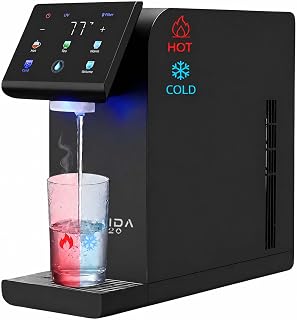
Ultra Instant Hot & Cold Dispenser
The multi-stage cartridge plus UV sterilization is the most complete treatment train in this lineup, and the WQA certification backs it up rather than implying it. It’s also genuinely quiet — the compressor cycles without the sharp click most countertop coolers make, which matters if your kitchen opens onto a living space.
iSpring DS4S
iSpring builds under-sink RO systems, and that engineering shows in the DS4S: the four-stage stack targets PFAS and heavy metals, not just taste, and the fittings are the same quality you’d find in their plumbed systems. The child safety lock on the hot tap is stiff enough to actually work, and the brushed stainless holds up to fingerprints better than the gloss finishes.
Avalon A12BLK
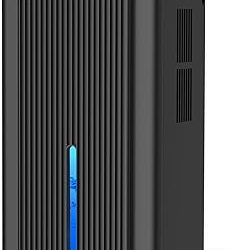
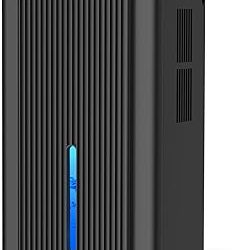
Dual filtration in a black stainless cabinet, with a nightlight that’s more useful than it sounds when you’re filling a glass at 2 a.m. Installation is about as forgiving as this category gets — the supply line seats with a firm push and holds pressure without teflon tape or wrenching.
Euhomy Bottleless Cooler
NSF-certified dual filters and three temperature settings at a price that undercuts most of the field, with a clear LED that tells you when the cartridge is due rather than leaving you guessing. The cabinet is lighter-gauge than the Avalon units, so give it a level, stable spot and it’ll run for years.
Avalon A12 Stainless
Same proven chassis as the A12BLK in standard stainless, and the self-cleaning cycle is the reason I keep recommending this platform for shared spaces. Parts availability is excellent, which is worth real money on an appliance you intend to keep past its warranty.
Frequently Asked Questions
Can I install one without a plumber?
Yes, if you can shut off a cold supply valve and thread on a tee adapter. Budget an hour, keep a towel and a bucket handy, and pressure-test the joint before you push the unit back against the wall.
What if my kitchen has no nearby water line?
Run 1/4″ tubing from the sink cabinet along the toe kick or through a cabinet back with a grommeted hole. Tubing is cheap; drill undersized and file to fit so the grommet seats tightly.
How often do filters need replacing?
Every six months for a household of two to four, sooner if you’re on well water or your municipal supply runs sediment-heavy. Flow rate dropping off is your real-world signal regardless of what the indicator says.
Do these need a drain line?
Countertop models don’t — the drip tray is manual-empty. Get in the habit of dumping it weekly or you’ll find a ring on your counter.
Final Thoughts
For the most thorough treatment and the quietest operation, the Ultra Instant Hot & Cold is the one I’d put in my own kitchen, with the iSpring DS4S a close second if PFAS reduction and a solid child lock top your list. If you want a proven, easily serviced workhorse at a friendlier price, the Avalon A12 remains the safe pick.