Key takeaways
- 2 inches: light comfort adjustment and easier movement.
- 3 inches: a balanced choice for pronounced pressure relief.
- 4 to 5 inches: maximum plushness, with more sink and added bed height.
What's inside
A side sleeper needs more than a soft surface. Your shoulder and hip carry most of your weight, so a mattress that feels comfortable on your back can create pressure points when you turn onto your side. A well-chosen topper can soften a firm bed, improve spinal alignment, and extend the useful life of a mattress without the cost or hassle of replacing it.
This guide takes a practical, hands-on approach to choosing a topper in 2026. We’ll look at thickness, material, cooling, pocket depth, firmness, and everyday maintenance, then compare the main topper styles so you can match the upgrade to your sleep position and existing mattress.
As an Amazon Associate we earn from qualifying purchases.



Start With Your Existing Mattress
Before buying anything, spend a few minutes diagnosing the bed you already have. Lie on your side and ask whether your shoulder and hip feel compressed, whether your waist is unsupported, or whether your spine slopes noticeably toward the mattress. A topper can correct a surface that is too firm, but it cannot fully repair a mattress with deep sagging or broken support.
If the mattress is already soft and you feel as though your hips sink too far, choose a thinner, more supportive topper rather than adding another plush layer. If the bed feels hard and pressure builds at the shoulder, a thicker foam or pillow-top design is usually the better fix.
Choose the Right Thickness
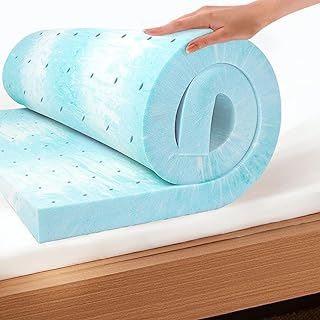
For most side sleepers, 2 to 4 inches is the useful range. A 2-inch topper adds cushioning while preserving much of the mattress’s original feel. The 2-inch Linenspa gel memory foam topper is a straightforward example for someone who wants modest pressure relief without dramatically changing bed height.
A 3-inch model offers a more noticeable adjustment. The EGO 3 Inch Queen Gel Memory Foam Topper is worth considering when a firm mattress needs substantial shoulder and hip cushioning. Very thick toppers, such as the 5-inch WhatsBedding Queen Bamboo Viscose Air Layer topper, can create a deeply cushioned feel, but they also raise the sleeping surface and may make it harder to move around.
- 2 inches: light comfort adjustment and easier movement.
- 3 inches: a balanced choice for pronounced pressure relief.
- 4 to 5 inches: maximum plushness, with more sink and added bed height.
Memory Foam or Pillow Top?
Memory foam contours closely around the body, making it particularly effective for side sleepers with sensitive shoulders or hips. Gel-infused and ventilated versions, including the EGO and Linenspa toppers, are designed to improve airflow or reduce heat buildup, though no foam topper can guarantee a cool night if the bedroom, sheets, or mattress beneath it run warm.
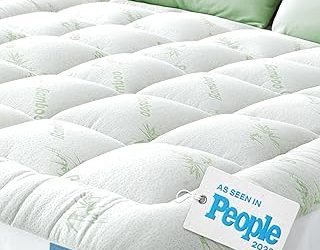
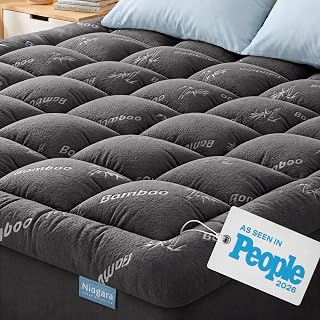
Pillow-top and fiber-filled toppers feel springier and less enclosing. They are often easier to wash and may suit sleepers who dislike the slow, sinking sensation of foam. The Niagara Sleep Solution Ultra Soft & Cooling topper and BEDLORE Queen Viscose Bamboo topper emphasize a soft, breathable pillow-top feel. They can be useful for surface cushioning, but fiber fill may compress over time and usually offers less precise body contouring than foam.
Check Cooling and Breathability
Heat management depends on the entire sleep setup. Dense foam can restrict airflow around the body, while cotton, bamboo-derived rayon, and viscose covers often feel less clammy against the skin. The EASELAND Cotton Pillow Top Mattress Topper uses a cotton top and quilted construction, making it a sensible option for shoppers who prioritize a familiar, washable surface.
Look for removable or machine-washable covers where available, and avoid covering a topper with a thick waterproof protector unless necessary; some protectors trap heat and mute the topper’s feel. A breathable fitted sheet, a lower tog duvet, and room ventilation can make as much difference as the topper itself.
Measure the Fit Before Ordering
A topper that shifts or bunches is a comfort problem, not a minor inconvenience. Measure the mattress width and length, then measure its height from the foundation to the top surface. Check the topper’s stated pocket range carefully. The Niagara model lists 20-inch deep pockets, BEDLORE fits mattresses in the 6-to-18-inch range, and EASELAND accommodates mattresses from 8 to 21 inches.
Deep-pocket skirts are useful for thick mattresses, but they do not necessarily stop the topper from moving across the surface. Foam toppers generally need a snug fitted sheet to hold them in place. After unboxing a compressed foam product, allow it to expand and air out according to the manufacturer’s instructions before judging its final feel.
Tips
- Give your body several nights to adjust; a new topper can feel different after the first hour than it does after a full night.
- Rotate a fiber-filled topper periodically to distribute compression, unless the care label says otherwise.
- Use a washable cover or protector, but choose a thin, breathable one so it does not defeat the topper’s comfort benefits.
- If your shoulder still hurts, check pillow height. A pillow that is too low can pull your neck and upper spine out of alignment.
Frequently Asked Questions
Is a soft topper always best for side sleepers?
No. Side sleepers need pressure relief, but excessive softness can let the pelvis sink too deeply. The best choice cushions the shoulder and hip while keeping the spine reasonably straight. Your body weight, mattress firmness, and personal preference all affect the ideal feel.
How thick should a topper be for shoulder pain?
Two to four inches is a practical starting point. A 2-inch topper may be enough for mild pressure, while a 3-inch foam topper gives the shoulder more room to settle. If pain continues despite a suitable topper and pillow, the mattress may have a support problem that a topper cannot solve.
Are bamboo or viscose toppers cooler than memory foam?
They may feel cooler because their fabric covers and fiber construction allow more surface airflow, but “bamboo” or “viscose” is not a guarantee of temperature control. Bedroom temperature, bedding, humidity, and the mattress underneath remain important factors.
Can a topper fix a sagging mattress?
It can disguise minor unevenness temporarily, but it cannot restore failed springs or a deeply compressed comfort layer. If you can see or feel a pronounced valley, replacing the mattress is usually a more durable solution than stacking on thicker cushioning.
Conclusion
The best mattress topper for a side sleeper is the one that solves your specific problem without creating another. Choose foam when you need close pressure relief, a pillow-top when you want airy surface softness, and enough thickness to cushion your shoulder and hip without letting your midsection collapse. Measure the bed carefully, account for heat and maintenance, and treat the topper as part of the whole sleep system rather than a standalone cure-all.