Key takeaways
- Measure your frame and your loft together: A 16-inch mattress on a platform bed with a low rail can leave the sheet fighting to stay tucked, and deep-pocket bedding becomes mandatory above roughly 14 inches. Check your frame’s clearance and your headboard height before you commit to the tallest option.
- Look for zoned coils, not just a coil count: Marketing loves a big number, but placement beats quantity. Seven-zone pocketed coil units firm up under the lumbar region and soften at the shoulders, which is what keeps a plush pillow top from letting your hips sink out of alignment.
- Treat edge support as structural: On a king, you and your partner both sleep closer to the perimeter than you would on a queen. Reinforced side coils or a foam encasement keep the usable sleep surface from shrinking and stop the edge from collapsing when you sit down to lace your boots.
- Separate cooling cover from cooling construction: A phase-change or knit cover feels cool to the touch for the first few minutes. Actual overnight temperature control comes from open coil airflow, gel-infused or perforated foam, and breathable quilting. Hot sleepers should prioritize hybrids over all-foam builds.
- Read the trial period as your real test bench: Pillow tops need two to four weeks to break in and for your body to adapt. A 100-night trial gives you room to judge properly; anything shorter puts pressure on a decision you can’t fairly make in a week.
What's inside
Buying a king mattress is one of those projects where you can’t test-fit anything before it lands on your doorstep. A pillow top adds another variable: that plush upper layer is what makes the bed feel forgiving, but it’s also the first thing to pack down if the build quality isn’t there. I’ve dismantled enough beds to know the difference between a genuine quilted comfort layer stitched into a solid coil unit and a thin sheet of foam glued to a panel — and from the outside of the box, they can look identical.
This guide breaks down six king pillow tops worth considering in 2026, with attention to the stuff that actually matters once the bed is set up in your room: how the coil unit is zoned, whether the edges hold up when you sit on them, how the cover handles heat, and how much loft you’re really getting for the stated height. I’ve also flagged which models suit heavier sleepers, side sleepers, and couples who wake each other up rolling over.
As an Amazon Associate we earn from qualifying purchases.


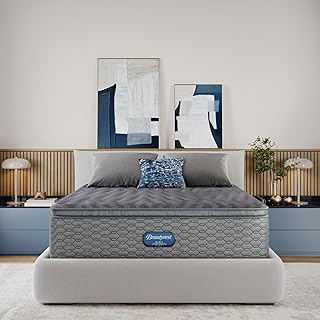

How to Choose a King Size Pillow Top Mattress (2026)
- Measure your frame and your loft together: A 16-inch mattress on a platform bed with a low rail can leave the sheet fighting to stay tucked, and deep-pocket bedding becomes mandatory above roughly 14 inches. Check your frame’s clearance and your headboard height before you commit to the tallest option.
- Look for zoned coils, not just a coil count: Marketing loves a big number, but placement beats quantity. Seven-zone pocketed coil units firm up under the lumbar region and soften at the shoulders, which is what keeps a plush pillow top from letting your hips sink out of alignment.
- Treat edge support as structural: On a king, you and your partner both sleep closer to the perimeter than you would on a queen. Reinforced side coils or a foam encasement keep the usable sleep surface from shrinking and stop the edge from collapsing when you sit down to lace your boots.
- Separate cooling cover from cooling construction: A phase-change or knit cover feels cool to the touch for the first few minutes. Actual overnight temperature control comes from open coil airflow, gel-infused or perforated foam, and breathable quilting. Hot sleepers should prioritize hybrids over all-foam builds.
- Read the trial period as your real test bench: Pillow tops need two to four weeks to break in and for your body to adapt. A 100-night trial gives you room to judge properly; anything shorter puts pressure on a decision you can’t fairly make in a week.
The Best King Size Pillow Top Mattress (2026)s Reviewed
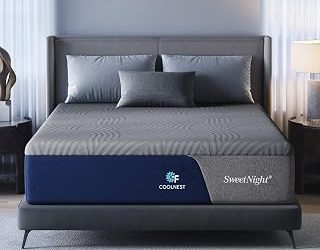
Sweetnight CoolNest Hybrid 14-Inch King
The four-stage breathability approach here is more than a spec sheet flourish — the pillow top quilting, perforated comfort foam, and open pocketed coil layer genuinely move air rather than trapping it. At medium firm with seven-zone support, it’s the most versatile pick for couples who sleep in different positions and don’t want to compromise.
Signature Design by Ashley 13-Inch Pillow Top Hybrid
A clean, no-nonsense hybrid build: gel memory foam over pocketed coils with a reinforced perimeter, and fiberglass-free, which matters if you ever need to remove the cover for cleaning. The 13-inch profile plays nicely with standard sheets and lower platform frames, making it the easiest install of the group.
Beautyrest Black Series One 14.5-Inch Plush
This is the premium tier, and the difference shows in the density of the comfort layers and the refinement of the coil system — deep plush at the surface without the floaty feeling cheaper plush beds have. Worth the spend if you’re a side sleeper carrying shoulder or hip pressure and want the pillow top to hold its loft for years, not seasons.
Signature Design by Ashley Destin Cove 16-Inch Plush
At 16 inches, this is the tallest option and the plushest sink-in feel, with layered memory foam over pocketed coils under a cooling cover. Budget for deep-pocket sheets and check your frame height first, because this one changes the whole geometry of your bed.
Beautyrest Days End Plush 14.75-Inch
Motion separation is the headline strength — the pocketed coil unit isolates movement well enough that a restless partner or a dog jumping up stops being an event. Plush at the surface with dependable underlying support, and the 100-night trial and 10-year warranty back it properly.
Frequently Asked Questions
Do I need a box spring, or will a platform frame work?
Modern hybrids are built for solid or slatted support, not box springs. If you’re using slats, keep the gaps under about three inches — wider spacing lets the coil unit flex unevenly and can void the warranty. A king also needs a sturdy center support leg, which many frames skip.
How long does a bed-in-a-box pillow top take to fully expand?
Most reach usable shape within a few hours and full loft in 24 to 72 hours. Unroll it in the room where it’ll live, cut the plastic carefully with a utility knife held flat against the surface, and give it airflow. Cold rooms slow expansion noticeably.
Will the pillow top develop a body impression?
Some surface settling is normal and expected; most warranties define a defect as an impression deeper than about 1.5 inches measured without weight on the bed. Rotating the mattress head-to-foot every three to six months spreads the wear evenly. Do not flip a pillow top — the comfort layer is one-sided.
Is plush or medium firm better for a heavier sleeper?
Medium firm generally holds up better above roughly 230 pounds per side, since a plush comfort layer compresses further and puts you closer to the coil unit. If you want a plush feel at higher weight, prioritize the taller builds with denser foam layers rather than the thinnest option.
Final Thoughts
For most buyers, the Sweetnight CoolNest Hybrid is the smartest all-around pick — cooling that works, zoned support, and a 14-inch height that doesn’t force new bedding. If you sleep hot and want real longevity from the comfort layer, the Beautyrest Black Series One earns its price, while the Beautyrest Days End is the one to choose if a restless partner is the actual problem you’re solving.