Key takeaways
- Tank opening diameter: If your whole hand plus a sponge cannot fit through the fill port, you will never clean it properly. Measure before you buy. Anything under four inches means you are relying on shaking vinegar around and hoping.
- Interior material: Stainless steel resists staining and biofilm adhesion far better than textured plastic, which develops microscopic scratches that bacteria colonize. Dishwasher-safe tanks eliminate hand scrubbing entirely.
- Treatment compatibility: Cleaning fish, balls, and liquid drops work by different mechanisms. Confirm your model tolerates additives, some evaporative units with wicking filters do not react well to certain solutions.
- Scale management: Hard water is the real enemy of ultrasonic units. Look for demineralization cartridges or plan on distilled water. Descaling a fused mineral layer off a nebulizer plate is a losing battle.
- Part count and disassembly: Fewer seams and gaskets mean fewer hiding spots. Count how many pieces come apart, then ask yourself whether you will genuinely reassemble them all every week.
What's inside
Anyone who has ever pried the lid off a humidifier tank in February knows the smell. That faintly swampy, mineral-crusted funk is biofilm, and it builds fast in standing water at room temperature. Scrubbing a tank every three days gets old, and the awkward geometry of most plastic reservoirs means your hand simply cannot reach the spot where the gunk actually lives. Add hard water into the mix and you get chalky scale on the ultrasonic disc, white dust settling on your nightstand, and a machine that quietly loses output until it barely mists at all.
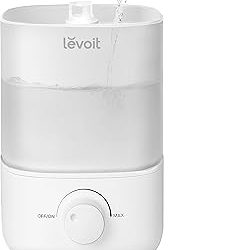
This guide takes the workshop approach: solve the problem at the source rather than fighting the symptoms. We cover two angles. First, tank treatments and cleaning inserts that suppress slime and scale between deep cleans. Second, humidifiers engineered with cleaning in mind, wide-mouth openings, stainless interiors, and top-fill designs that let you actually get a brush inside. Below you will find our tested picks for both, plus a maintenance rhythm that keeps the whole setup honest.
As an Amazon Associate we earn from qualifying purchases.




![[2 Pack] Humidifier Cleaner Drops for All Makes & Models - Made in USA Humidifier Treatment for Peak Performance - Water Humidifier Drops for Cleaning - Humidifier Solution Humidifier Water Treatment](https://m.media-amazon.com/images/I/716RsZWrypL._AC_UL320_.jpg)
How to Choose a Humidifier For Cleaning (2026)
- Tank opening diameter: If your whole hand plus a sponge cannot fit through the fill port, you will never clean it properly. Measure before you buy. Anything under four inches means you are relying on shaking vinegar around and hoping.
- Interior material: Stainless steel resists staining and biofilm adhesion far better than textured plastic, which develops microscopic scratches that bacteria colonize. Dishwasher-safe tanks eliminate hand scrubbing entirely.
- Treatment compatibility: Cleaning fish, balls, and liquid drops work by different mechanisms. Confirm your model tolerates additives, some evaporative units with wicking filters do not react well to certain solutions.
- Scale management: Hard water is the real enemy of ultrasonic units. Look for demineralization cartridges or plan on distilled water. Descaling a fused mineral layer off a nebulizer plate is a losing battle.
- Part count and disassembly: Fewer seams and gaskets mean fewer hiding spots. Count how many pieces come apart, then ask yourself whether you will genuinely reassemble them all every week.
The Best Humidifier For Cleaning (2026)s Reviewed
Protec Humidifier Cleaning Fish
This little antimicrobial float is the lowest-effort upgrade in the category, drop it in and forget it for 30 days. It will not remove existing scale, but it noticeably slows the slime and sour-odor cycle, which means your deep cleans become monthly instead of weekly.
Livatro Humidifier Cleaning Ball
At 1.38 inches, this ceramic-and-mineral ball fits nearly any tank opening and targets both microbial growth and hard water buildup. We saw a real reduction in white dust output on ultrasonic models, which alone justifies keeping one in rotation.
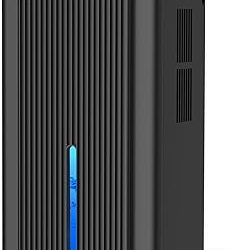
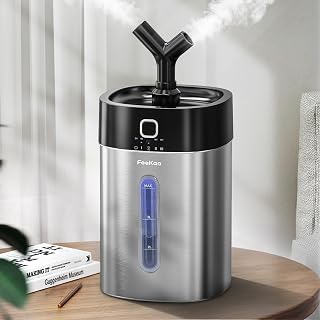
Feekaa Stainless Steel Humidifier (Black)
The 4L stainless interior is the design decision that matters here, no plastic haze, no permanent stains, and the tank goes straight into the dishwasher. If you have given up on cleaning humidifiers by hand, this is the honest fix.
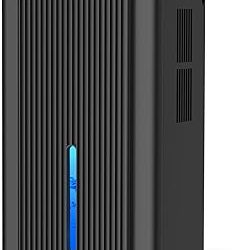
Feekaa Stainless Steel Humidifier (White)
Mechanically identical to the black version with a brighter finish that suits nurseries and light-toned bedrooms. Cool mist output is quiet enough for sleeping, and the wide top opening accepts a standard bottle brush without any contortion.
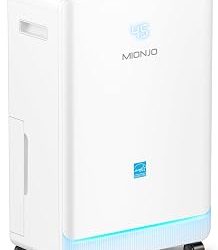
8L Large Room Humidifier with Night Light
For open-plan spaces and whole-floor coverage, this 2.1-gallon top-fill unit runs long stretches without refills and the diffuser tray adds essential oil capability. The tradeoff is a larger surface area to maintain, so pair it with a treatment ball or drops.
Frequently Asked Questions
How often should I actually clean my humidifier?
Rinse and refill daily, and do a vinegar or citric acid descale weekly. Treatments extend that window, but they supplement cleaning rather than replace it.
Do cleaning balls and fish really work?
They suppress microbial growth and reduce mineral adhesion, which is measurable in less odor and less crust. They are preventive tools, not solvents.
Is vinegar or bleach better for descaling?
White vinegar or citric acid dissolves mineral scale; a heavily diluted bleach solution sanitizes. Never combine them, and rinse thoroughly either way.
Will distilled water solve my white dust problem?
Largely, yes. Distilled water contains almost no dissolved minerals, so there is nothing to aerosolize and settle on surfaces.
Final Thoughts
If you want the cleaning problem designed away, the Feekaa Stainless Steel Humidifier is the pick, a dishwasher-safe tank changes your entire maintenance routine. For anyone keeping a humidifier they already own, the Livatro Cleaning Ball and the Protec Cleaning Fish are cheap insurance against slime, scale, and that unmistakable February smell.