Key takeaways
- Thickness: Choose 2–3 inches for noticeable contouring while preserving some mattress support; 5-inch models create a much plusher, deeper feel and may require fitted sheets with extra room.
- Firmness balance: A topper should let shoulders and hips settle slightly while keeping your midsection from dropping sharply. Side sleepers often prefer softer cushioning, while stomach and combination sleepers usually need more resistance.
- Cooling: Gel infusions, ventilated foam, mesh panels, and bamboo-viscose layers can improve airflow, but no foam topper is completely temperature-neutral. Breathable bedding still matters.
- Attachment: Straps, elastic edging, or a deep-pocket skirt help prevent shifting when you turn at night. Measure your mattress and topper together before relying on the listed sheet depth.
- Care and certification: Look for a removable, washable cover and established foam certifications such as CertiPUR-US. Allow compressed foam to expand fully and air out before use.
What's inside
A mattress that feels fine in the showroom can become a nightly source of pressure once your hips sink too far or your lower back loses support. The challenge is finding a topper that softens a hard sleep surface without turning it into a hammock—and that also fits securely, stays reasonably cool, and survives regular washing.
This guide compares practical memory foam options for back pain, focusing on thickness, contouring, ventilation, cover design, pocket depth, and the sort of fit details that matter when you are setting up a real bedroom rather than styling a catalog. Treat a topper as a comfort adjustment, not a substitute for a sagging mattress or medical advice.
As an Amazon Associate we earn from qualifying purchases.


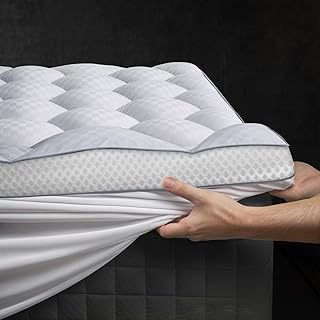


How to Choose a/an Memory Foam Mattress Toppers For Back Pain (2026)
- Thickness: Choose 2–3 inches for noticeable contouring while preserving some mattress support; 5-inch models create a much plusher, deeper feel and may require fitted sheets with extra room.
- Firmness balance: A topper should let shoulders and hips settle slightly while keeping your midsection from dropping sharply. Side sleepers often prefer softer cushioning, while stomach and combination sleepers usually need more resistance.
- Cooling: Gel infusions, ventilated foam, mesh panels, and bamboo-viscose layers can improve airflow, but no foam topper is completely temperature-neutral. Breathable bedding still matters.
- Attachment: Straps, elastic edging, or a deep-pocket skirt help prevent shifting when you turn at night. Measure your mattress and topper together before relying on the listed sheet depth.
- Care and certification: Look for a removable, washable cover and established foam certifications such as CertiPUR-US. Allow compressed foam to expand fully and air out before use.
The Best Memory Foam Mattress Toppers For Back Pain (2026)s Reviewed
WhatsBedding 5-Inch Queen Pillow Top
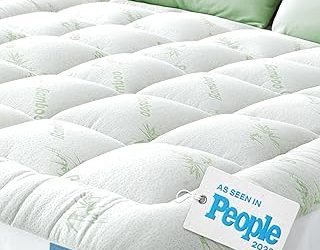
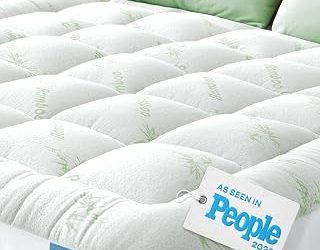
The WhatsBedding 5 Inch Memory Foam Mattress Topper Queen combines a thick memory-foam core with fluffy, breathable stuffing for a distinctly cushioned pillow-top feel. It is a good hands-on fix for an overly firm mattress, though the generous height means you should check fitted-sheet depth before installation.
SHOUREN 5-Inch Gel Foam Topper
SHOUREN’s 5 Inch Extra Thick Gel Memory Foam Topper leans into pressure relief and body-contouring support, while four-way straps help keep the deep layer aligned. Its plush profile suits sleepers who want substantial cushioning around the hips and shoulders, but it may feel too yielding for anyone who prefers a firm, responsive surface.
3-Inch Ultra-Fluffy Pillow Top
This 3 Inch Ultra-Fluffy Memory Foam Mattress Topper adds a softer pillow-top surface without the full bulk of a five-inch model. Breathable air-mesh sides and a 6–21-inch deep-pocket fit make it a particularly practical choice for a taller mattress setup or a bed that needs a comfort refresh without a major height increase.
SINWEEK 3-Inch Gel Memory Foam Topper
The SINWEEK 3 Inch Gel Memory Foam Mattress Topper is the straightforward, workshop-friendly option: a ventilated high-density foam layer, a removable soft cover, and CertiPUR-US certification. Its moderate thickness offers pressure relief while leaving more of the original mattress’s firmness and support noticeable.
WhatsBedding 5-Inch Full Cooling Topper
Designed for full-size beds, this WhatsBedding 5 Inch Memory Foam Mattress Topper pairs deep cushioning with a cooling bamboo-viscose air layer. It is worth considering for sleepers who want a softer, more enveloping surface but still want a breathable layer between the foam and bedding.
Frequently Asked Questions
Can a mattress topper fix back pain?
A topper can reduce pressure and improve spinal comfort when the mattress is too firm or lacks cushioning. It cannot reliably correct a badly sagging mattress, and persistent or worsening pain deserves guidance from a qualified healthcare professional.
Is a 3-inch or 5-inch topper better for back pain?
Three inches is the more balanced starting point for most beds because it changes the feel without adding excessive sink. Five inches can be more comfortable on a very firm surface, but it also increases the risk of a softer, less stable feel and complicates sheet fit.
How long should memory foam expand before sleeping on it?
Follow the manufacturer’s instructions, but many compressed toppers benefit from 24–72 hours in a ventilated room. Keep the topper flat, avoid folding it during expansion, and wait until odors have dissipated and the foam has regained its intended shape.
How do I stop a topper from sliding?
Start with a clean, dry mattress surface and use a fitted sheet that encloses both layers. Straps, elastic skirts, non-slip material, or a snug mattress protector can provide extra grip; also confirm that the topper is centered before making the bed.
Final Thoughts
For maximum plushness, the WhatsBedding 5-Inch Queen and SHOUREN 5-Inch Gel Topper are the most substantial choices. The SINWEEK 3-Inch model is the better all-around starting point when you want pressure relief, easier sheet fitting, and a more controlled change in firmness.