Key takeaways
- Match the split type, not just the size: A split king uses two 39×80 halves that separate completely, while a split-top king stays joined below a 30–34 inch head split. Buying the wrong one leaves you with either a gap at the foot or a protector that fights the hinge.
- Measure your mattress depth with the topper on: Deep pocket claims run from 14 inches to 18 inches. Stack a two-inch topper on a twelve-inch mattress and you are already at the limit of a 14-inch pocket, which is where corner slippage starts.
- Choose the membrane by tolerance, not marketing: Thin polyurethane film laminated to a knit backing breathes better and stays quieter than vinyl. If crinkle is a dealbreaker, prioritize protectors described as noiseless and skip anything with a plastic-backed feel.
- Decide between fitted and encased: Fitted skirts are faster to strip and wash. Six-sided zippered encasements seal the mattress against dust mites and bed bugs but need to be unzipped and worked off the mattress, which is more of a project on a split base.
- Check the fiber surface for heat: Bamboo viscose and cotton terry pull moisture off the skin better than plain polyester jersey. On an adjustable bed where airflow underneath is already restricted by the frame, that surface layer does real work.
What's inside
Anyone who has crawled around the base of an adjustable bed with a fitted protector in hand knows the frustration. The mattress articulates, the corners lift, and a protector built for a static platform bed slides off within a week. Split configurations make it worse, since two independent halves need coverage that flexes at the hinge without bunching into the gap. Add the usual concerns of spills, sweat, and allergens, and the problem becomes less about waterproofing and more about whether the thing stays put through a few thousand cycles of the motor.
This guide approaches the problem the way you would size any component in a build: measure first, then match the spec. Below are six protectors that actually accommodate adjustable and split platforms, covering split king pads, split-top designs for beds that separate only at the head, zippered full encasements, and a couple of solid single-piece options for standard king and queen frames. Each pick is evaluated on fit geometry, membrane construction, noise, and how it holds up in the wash.
As an Amazon Associate we earn from qualifying purchases.


How to Choose a Mattress Protector For Adjustable Bed (2026)
- Match the split type, not just the size: A split king uses two 39×80 halves that separate completely, while a split-top king stays joined below a 30–34 inch head split. Buying the wrong one leaves you with either a gap at the foot or a protector that fights the hinge.
- Measure your mattress depth with the topper on: Deep pocket claims run from 14 inches to 18 inches. Stack a two-inch topper on a twelve-inch mattress and you are already at the limit of a 14-inch pocket, which is where corner slippage starts.
- Choose the membrane by tolerance, not marketing: Thin polyurethane film laminated to a knit backing breathes better and stays quieter than vinyl. If crinkle is a dealbreaker, prioritize protectors described as noiseless and skip anything with a plastic-backed feel.
- Decide between fitted and encased: Fitted skirts are faster to strip and wash. Six-sided zippered encasements seal the mattress against dust mites and bed bugs but need to be unzipped and worked off the mattress, which is more of a project on a split base.
- Check the fiber surface for heat: Bamboo viscose and cotton terry pull moisture off the skin better than plain polyester jersey. On an adjustable bed where airflow underneath is already restricted by the frame, that surface layer does real work.
The Best Mattress Protector For Adjustable Bed (2026)s Reviewed
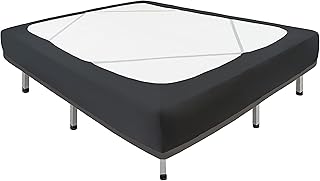
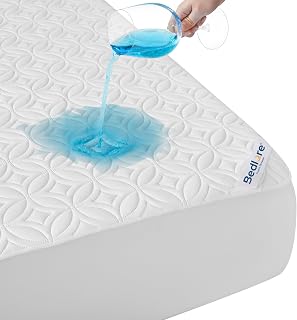
Split King Waterproof Quilted Protector Pad
The quilted face gives this one a bit of loft that a bare membrane protector cannot match, so it reads more like a thin mattress pad than a plastic barrier. The 14-inch deep pocket is the constraint to watch, but on a standard split king without a thick topper the elastic grips well enough to survive nightly articulation.
Waterproof Split Top King Pad Protector
Built specifically for the 34-inch head split geometry, which is the configuration most people get wrong when ordering. The soft padded surface and genuinely quiet backing make it a good fit for light sleepers who want independent head adjustment without two separate protectors sliding around.
Kingnex Split King Protector, Bamboo Jersey
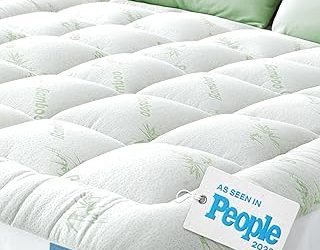
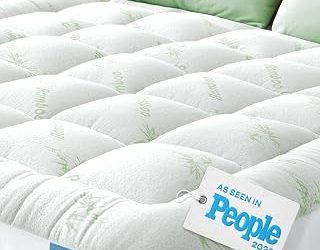
Two 39×80 protectors in one package with a bamboo viscose jersey face that sleeps noticeably cooler than standard polyester knit. The fitted sheet construction makes laundry day straightforward, and the stretch in the jersey helps the corners hold their grip as the base flexes.
Kingnex Zippered Split King Encasement
The choice when you want complete coverage rather than a surface barrier. Six-sided zippered enclosure on both 39×80 halves seals out allergens, dust mites, and liquid from every angle, which matters if you are protecting a warranty on an expensive mattress.
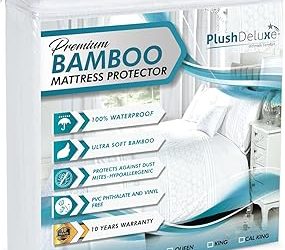
PlushDeluxe Bamboo Waterproof Protector, King
An 18-inch pocket handles thick mattresses and toppers with room to spare, and the bamboo-derived viscose surface is one of the softer options here. Best suited to a single-piece king mattress on an adjustable base rather than a split configuration.
Frequently Asked Questions
Will a regular king protector work on a split king adjustable bed?
No. A single-piece king protector bridges both halves and prevents them from articulating independently, and the tension will eventually tear the seams or pull the corners loose. Use two 39×80 protectors instead.
How do I tell a split king from a split-top king?
Look at the foot of the bed. If the two halves separate all the way down, it is a split king. If they are sewn together below the head section, it is a split-top and needs a protector with a matching split length.
Do waterproof protectors trap heat?
Older vinyl-backed designs did. Current thin polyurethane laminates paired with bamboo viscose or cotton knit surfaces move moisture vapor reasonably well, though any waterproof layer runs warmer than an unprotected mattress.
Can I put these in a standard dryer?
Low heat only. High dryer temperatures degrade the polyurethane membrane and cause it to crack or delaminate, which is the most common cause of premature failure in these products.
Final Thoughts
For most split king adjustable beds, the Kingnex bamboo jersey protector hits the best balance of cooling surface, reliable fit, and easy laundering. Step up to the Kingnex zippered encasement if allergen control or full mattress warranty protection is the priority, and choose the PlushDeluxe bamboo protector if you are working with a single-piece king mattress and need the extra 18-inch pocket depth.