Key takeaways
- Cabinet vs. insert: A mantel package sits on the floor and needs zero carpentry — good for renters and rooms with plaster or masonry walls. A recessed insert gives you the flush, built-in look but requires a framed pocket, which in a corner means building a short angled wall out of 2x4s and drywall.
- Rough-in depth and clearances: Measure before you buy, not after. Most recessed units want 6 to 8 inches of depth plus manufacturer-specified clearance above the top vent. Standard 2×4 framing gives you about 3.5 inches, so a corner chase usually gets built with 2×6 plates or furred out.
- Circuit capacity: A 1,500W heater draws roughly 12.5 amps. On a shared 15-amp circuit with a TV and lamps, you’ll trip the breaker. Plan a dedicated 15- or 20-amp receptacle inside the framed cavity, and never run one of these on an extension cord.
- Flame realism and media options: Ember bed material changes the look more than flame color does. Logs read traditional, crystals read modern, driftwood splits the difference. Units that ship with multiple media sets let you change the vibe later without swapping hardware.
- Smart control: WiFi and Alexa integration sound like a gimmick until the unit is recessed eight feet up a corner wall and you’ve lost the remote. Scheduling and voice control are genuinely useful on high or awkward installs.
What's inside
Corners are where floor plans go to die. You’ve got a triangle of dead space behind the sectional, a run of baseboard nobody looks at, and no obvious way to make it earn its keep. A corner electric fireplace fixes that geometry problem, but shopping for one is a mess: half the listings labeled “corner” are just freestanding boxes with a mantel wide enough to jam into a 45-degree gap, and the other half are recessed linear units that only read as corner units if you’re willing to frame a false wall yourself.
I’ve built out a few of these — some drop-in mantel packages that took twenty minutes and a stud finder, some recessed installs that meant cutting drywall, sistering blocking between studs, and pulling a new 12-gauge run. This guide sorts the true corner-ready cabinets from the linear inserts worth building a chase for, covers the framing and power details the product pages skip, and lands on the units I’d actually put in my own living room.
As an Amazon Associate we earn from qualifying purchases.


How to Choose a Corner Electric Fireplace (2026)
- Cabinet vs. insert: A mantel package sits on the floor and needs zero carpentry — good for renters and rooms with plaster or masonry walls. A recessed insert gives you the flush, built-in look but requires a framed pocket, which in a corner means building a short angled wall out of 2x4s and drywall.
- Rough-in depth and clearances: Measure before you buy, not after. Most recessed units want 6 to 8 inches of depth plus manufacturer-specified clearance above the top vent. Standard 2×4 framing gives you about 3.5 inches, so a corner chase usually gets built with 2×6 plates or furred out.
- Circuit capacity: A 1,500W heater draws roughly 12.5 amps. On a shared 15-amp circuit with a TV and lamps, you’ll trip the breaker. Plan a dedicated 15- or 20-amp receptacle inside the framed cavity, and never run one of these on an extension cord.
- Flame realism and media options: Ember bed material changes the look more than flame color does. Logs read traditional, crystals read modern, driftwood splits the difference. Units that ship with multiple media sets let you change the vibe later without swapping hardware.
- Smart control: WiFi and Alexa integration sound like a gimmick until the unit is recessed eight feet up a corner wall and you’ve lost the remote. Scheduling and voice control are genuinely useful on high or awkward installs.
The Best Corner Electric Fireplaces of 2026, Reviewed
Real Flame Kennedy Grand Corner Electric Fireplace
This is the one I recommend to anyone who wants the job done in an afternoon: a proper corner-cut cabinet with a real mantel shelf, a replaceable insert, and a footprint designed for a 45-degree wall meeting. The insert being serviceable matters more than people realize — when the LED module eventually dims, you swap the firebox instead of the furniture.
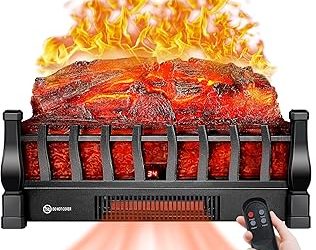
44″ Corner Electric Fireplace with Mantel Package
A leaner, lower-cost corner cabinet in white that still gets you a usable mantel surface, log set, and 750/1500W dual heat settings. Assembly is cam-lock and screw hardware, so budget an hour and check your floor for level before you tighten everything down.
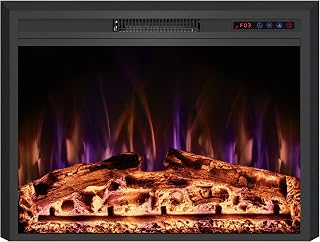
Touchstone Sideline Elite 42″
My pick for a built-in corner feature wall. At 42 inches it fits a framed angled chase without dominating the room, and 60 color combinations across flame and ember means you can dial it from campfire orange to cool blue. Alexa and WiFi control earn their keep once it’s flush-mounted.
Touchstone Sideline 50″
Same recessed platform with more presence, 30 ember and flame combinations, and a choice of log or crystal hearth. The built-in thermostat is the underrated feature here — it cycles the 1,500W element instead of running it flat out, which makes it viable as actual supplemental heat.
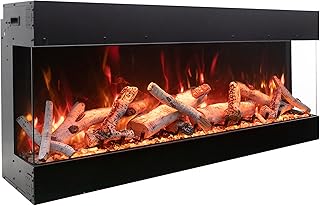
Tru View Bespoke 65″ 3-Sided
If your “corner” is really a peninsula or a partition wall between two rooms, this three-sided unit is the answer — indoor/outdoor rated, with WiFi, Bluetooth, and an integrated speaker. It’s the most demanding install on this list, so plan the framing and power before you order.
Frequently Asked Questions
Can I recess a linear fireplace into an actual corner?
Not directly into the intersection of two walls. You frame a short angled wall across the corner, which creates a flat surface plus a hollow cavity behind it — ideal for hiding the unit’s depth and the new receptacle.
Do these need venting or a chimney?
No. Electric fireplaces produce no combustion byproducts, so there’s no flue, no gas line, and no permit for venting. Electrical work may still require one depending on your jurisdiction.
How much heat do they actually put out?
A 1,500W unit covers roughly 400 square feet as supplemental heat. It won’t replace your furnace, but it will make one corner of an open-plan room noticeably warmer.
Should the TV go above it?
It can, if you respect the clearance spec and mount above the top-vent airflow. Recessed models with front or top venting are safer bets than units that dump heat straight up a wall.
Final Thoughts
For a no-carpentry install that still looks intentional, the Real Flame Kennedy Grand Corner is the strongest all-rounder. If you’re willing to frame an angled chase, the Touchstone Sideline Elite 42″ gives you the cleanest built-in result with the best control options, and the 44″ corner mantel package remains the sensible budget route for filling dead space this weekend.