Key takeaways
- Match the wattage: A 600W heater is often suitable for targeted freeze protection, while 1,500W models produce more heat but demand a properly rated circuit and more clearance.
- Check thermostat behavior: Look for adjustable temperature control or an automatic thermostat that cycles the heater instead of running continuously.
- Prioritize safety hardware: Overheat protection, tip-over shutoff, grounded plugs, and durable metal housings are valuable safeguards in a dusty utility space.
- Plan the placement: Set the heater on a stable, noncombustible surface with generous clearance from insulation, stored items, vapor barriers, and plumbing.
- Inspect the electrical setup: Use a correctly sized outlet and avoid extension cords unless the manufacturer specifically permits one. Have questionable wiring checked by a qualified electrician.
What's inside
A cold, damp crawl space can turn a minor freeze into a burst pipe, damaged insulation, or an expensive cleanup. The challenge is finding a heater that provides steady protection without creating a fire, moisture, or electrical hazard in a cramped utility area.
This guide compares thermostat-controlled options from compact 600-watt freeze-protection units to more powerful utility heaters. I’m focusing on practical DIY concerns: wattage, housing, safety shutoffs, placement, controls, and whether each model makes sense for a crawl space rather than a living room.
As an Amazon Associate we earn from qualifying purchases.


How to Choose a Crawl Space Heater With Thermostat (2026)
- Match the wattage: A 600W heater is often suitable for targeted freeze protection, while 1,500W models produce more heat but demand a properly rated circuit and more clearance.
- Check thermostat behavior: Look for adjustable temperature control or an automatic thermostat that cycles the heater instead of running continuously.
- Prioritize safety hardware: Overheat protection, tip-over shutoff, grounded plugs, and durable metal housings are valuable safeguards in a dusty utility space.
- Plan the placement: Set the heater on a stable, noncombustible surface with generous clearance from insulation, stored items, vapor barriers, and plumbing.
- Inspect the electrical setup: Use a correctly sized outlet and avoid extension cords unless the manufacturer specifically permits one. Have questionable wiring checked by a qualified electrician.
The Best Crawl Space Heater With Thermostat (2026)s Reviewed
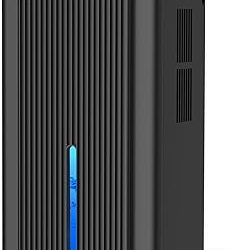
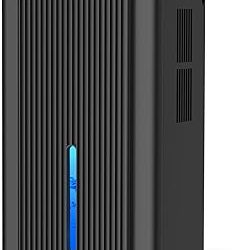
600W Utility Heater With Thermostat
This compact pump-house-style heater is one of the most practical choices for a crawl space where the goal is freeze protection rather than rapid heating. Its lower power draw and dual-screen display make it easier to monitor conditions, but it should still be positioned well away from insulation and checked periodically for dust buildup.
Shinic 1500W Milkhouse Heater
The Shinic combines a durable metal housing with adjustable heat and a thermostat, making it a flexible option for a larger, well-ventilated utility area. Overheat protection, a three-prong plug, and tip-over shutoff are reassuring features; however, its 1,500 watts are better suited to a suitable dedicated circuit than a questionable crawl-space outlet.
Dura Heat EUH1465 Forced Air Heater
With a pivoting base, steel body, ceramic heating element, and output rated at 5,120 BTU, the Dura Heat is the heavy-duty pick in this group. It can move warmth across a broader area, but the fan and higher output make careful placement essential, especially around loose insulation, plastic sheeting, and accumulated dust.
Comfort Zone 1500W Milkhouse Heater
This all-metal utility heater offers two heat settings, an adjustable thermostat, fan operation, and a tip-over switch. It is a sensible workshop-style choice when you need more output than a compact freeze-protection heater, though its size and power consumption call for extra attention to clearance and circuit capacity.
DREO 1500W Ceramic Space Heater
The DREO is designed more like an indoor room heater, with quiet operation, multiple modes, a timer, remote control, and PTC ceramic heating. Those controls are convenient, but in a crawl space I would use it only in a clean, dry, accessible area where its indoor-oriented design can be monitored safely.
Frequently Asked Questions
Can I leave a crawl space heater running unattended?
It is safer not to treat any portable heater as completely unattended. Use a thermostat-controlled model with overheat protection, inspect it regularly, and follow the manufacturer’s clearance and operating instructions. A permanently installed, code-compliant heating solution may be preferable for long-term protection.
Is 600 watts enough to prevent freezing?
It can be enough for a small, enclosed pump house or an insulated section of crawl space, particularly when the heater is protecting a specific vulnerable area. The required output depends on outdoor temperature, air leakage, insulation, and the amount of exposed plumbing.
Should I use an extension cord?
Usually, no. Extension cords can overheat or create voltage-drop problems, especially with 1,500-watt heaters. Connect the heater directly to a properly grounded, correctly rated outlet unless the manual explicitly approves a particular cord specification.
Where should the heater sit?
Place it upright on a firm, level, noncombustible surface with clear space around the intake and outlet. Keep it away from insulation, cardboard, plastic, water leaks, and combustible debris. Never cover the heater or aim it directly at plumbing insulation or a vapor barrier.
Final Thoughts
For targeted freeze protection, the 600W Utility Heater With Thermostat is the most practical starting point. The Shinic and Comfort Zone models offer stronger utility-room performance, while the Dura Heat EUH1465 is the better high-output choice when the space and electrical system can support it. Whichever model you choose, safe placement and a sound electrical connection matter as much as the thermostat.