Key takeaways
- Mineral content: Distilled is the gold standard because steam purification leaves the calcium and magnesium behind. Reverse osmosis is a solid second. Filtered pitcher water is not distilled, it removes taste and chlorine, not dissolved solids.
- Humidifier type: Ultrasonic and warm-mist units aerosolize whatever is dissolved in the water, so they demand distilled. Evaporative wick models leave minerals in the pad, which means tap water is genuinely fine.
- Bottle size and format: Gallon jugs win on cost per ounce for a bedroom unit that drinks 4L a night. Twelve and twenty ounce travel bottles earn their premium for CPAP chambers, small desk units, and hotel nights.
- Packaging integrity: Look for BPA-free bottles with a proper leakproof seal, particularly if the pack lives in a suitcase. TSA-compliant sizing matters if you fly with therapy equipment.
- Refill cadence: Match pack size to how you actually use it. A 6-pack of 20 oz covers roughly twelve nights of CPAP humidification; a 12-pack of 12 oz stretches to two weeks. Bedroom humidifiers burn through far more.
What's inside
Anyone who has wiped a fine grey film off a nightstand knows the frustration: you bought a humidifier to make the air kinder, and instead you inherited a dusting chore. That powder is dissolved minerals from your tap water, flung into the room by an ultrasonic nebulizer and settling on every flat surface within a few feet. Worse, the same minerals scale up inside the tank and around the transducer, where they trap biofilm and slowly choke output until the unit hums along producing almost nothing.
The fix is mostly about what you pour in, and partly about the machine doing the pouring. This guide breaks down which water actually belongs in a humidifier, when bottled distilled is worth the money versus overkill, and which units sidestep the mineral problem entirely through evaporative design. Below you will find travel-friendly distilled water multipacks that double as CPAP supply, plus two humidifiers worth pairing them with.
As an Amazon Associate we earn from qualifying purchases.




How to Choose a Water To Use In Humidifier (2026)
- Mineral content: Distilled is the gold standard because steam purification leaves the calcium and magnesium behind. Reverse osmosis is a solid second. Filtered pitcher water is not distilled, it removes taste and chlorine, not dissolved solids.
- Humidifier type: Ultrasonic and warm-mist units aerosolize whatever is dissolved in the water, so they demand distilled. Evaporative wick models leave minerals in the pad, which means tap water is genuinely fine.
- Bottle size and format: Gallon jugs win on cost per ounce for a bedroom unit that drinks 4L a night. Twelve and twenty ounce travel bottles earn their premium for CPAP chambers, small desk units, and hotel nights.
- Packaging integrity: Look for BPA-free bottles with a proper leakproof seal, particularly if the pack lives in a suitcase. TSA-compliant sizing matters if you fly with therapy equipment.
- Refill cadence: Match pack size to how you actually use it. A 6-pack of 20 oz covers roughly twelve nights of CPAP humidification; a 12-pack of 12 oz stretches to two weeks. Bedroom humidifiers burn through far more.
The Best Water To Use In Humidifier (2026)s Reviewed
Distilled Water 6-Pack, 20 oz Travel Bottles
Steam purified and filtered in the USA, these hold enough for about twelve nights of chamber duty and the wider mouth makes pouring into a narrow CPAP reservoir far less of a wrist exercise. The 20 oz size is the sweet spot if you want fewer bottles rattling around a drawer.
Dura Cleanse Distilled Water, 6 Pack
Same twelve-day math, but the standout here is the seal. I have tossed these in a duffel with no zip bag and pulled them out dry, which is more than I can say for several house-brand alternatives. Rated for ResMed and Philips chambers as well as small humidifiers.
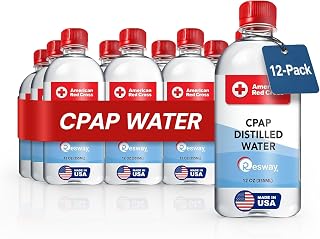
American Red Cross CPAP Distilled Water, 12-Pack
Twelve smaller bottles instead of six larger ones, which suits anyone who prefers a fresh seal every night rather than recapping a partial. Good value per pack and the 12 oz format slots neatly into a bedside caddy.
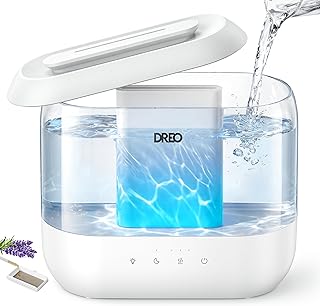
DREO HM311 4L Humidifier
A 36-hour runtime at 28 dB from a top-fill 4L tank, with an opening wide enough to get a hand inside for a proper scrub, which is the single feature that determines whether you will actually clean it. Ultrasonic, so keep it fed with distilled if you care about your furniture.
LAVIEAIR 5L Evaporative Humidifier
This is the one that solves the water question by design. Evaporative wicking means no white dust regardless of what you pour in, so tap water is acceptable and you are only buying replacement wicks instead of endless jugs. Covers up to 300 sq ft with a 48-hour maximum runtime.
Frequently Asked Questions
Can I use tap water in my humidifier?
In an evaporative wick model, yes. In an ultrasonic or warm-mist unit, it will produce white dust and mineral scale. If you do use tap in an ultrasonic, expect to descale weekly with vinegar.
Is boiled water the same as distilled?
No. Boiling kills organisms but concentrates minerals as water evaporates. Distillation captures the steam and leaves the minerals behind, which is the entire point.
Does distilled water prevent mold?
It slows scale buildup that mold colonizes, but it does not sterilize anything. Empty and dry the tank daily and scrub weekly regardless of water type.
Can I use humidifier water in my CPAP, and vice versa?
Bottled distilled works for both, which is why these packs list dual compatibility. Never reuse water that has been sitting in either reservoir.
Final Thoughts
For pure water supply, the Dura Cleanse 6-pack is the one I keep in a travel bag thanks to that reliable seal, while the American Red Cross 12-pack offers better per-pack value for nightly home use. If you would rather stop buying water altogether, the LAVIEAIR evaporative unit removes the problem at the source, and the DREO HM311 is the pick for anyone who wants visible mist and easy cleaning access.