Key takeaways
- Capacity: Match the unit to the attic’s square footage and moisture load, not just its advertised maximum area. Damp, poorly sealed, or unfinished spaces need more headroom.
- Drainage: A built-in pump and hose connection are major advantages when the attic has no convenient floor drain. Gravity drainage works only when the hose can maintain a continuous downhill path.
- Temperature range: Attics can become cold in winter and extremely hot in summer. Look for auto-defrost protection and verify the manufacturer’s operating range before installation.
- Controls: Adjustable humidity targets, automatic restart, and continuous operation make a unit easier to leave running safely. A humidistat is more useful than simply choosing the largest model.
- Installation: Set the dehumidifier on a stable, level surface with clearance around the air intake and exhaust. Seal obvious roof leaks and improve ventilation first; a dehumidifier is not a substitute for repairs.
What's inside
An attic can look dry while trapped moisture quietly damages roof sheathing, insulation, wiring, and stored furniture. Summer heat makes the problem worse: warm air holds more moisture, then condensation forms when damp air meets cooler surfaces. The right dehumidifier can help, but only if its capacity, drainage, and operating temperature match the space.
This guide takes a practical DIY approach to choosing the best dehumidifier for an attic in 2026. I’m focusing on extraction capacity, automatic drainage, serviceability, noise, and whether each unit makes sense for a finished attic, storage space, or larger whole-home moisture problem.
As an Amazon Associate we earn from qualifying purchases.



How to Choose a Dehumidifier For Attic (2026)
- Capacity: Match the unit to the attic’s square footage and moisture load, not just its advertised maximum area. Damp, poorly sealed, or unfinished spaces need more headroom.
- Drainage: A built-in pump and hose connection are major advantages when the attic has no convenient floor drain. Gravity drainage works only when the hose can maintain a continuous downhill path.
- Temperature range: Attics can become cold in winter and extremely hot in summer. Look for auto-defrost protection and verify the manufacturer’s operating range before installation.
- Controls: Adjustable humidity targets, automatic restart, and continuous operation make a unit easier to leave running safely. A humidistat is more useful than simply choosing the largest model.
- Installation: Set the dehumidifier on a stable, level surface with clearance around the air intake and exhaust. Seal obvious roof leaks and improve ventilation first; a dehumidifier is not a substitute for repairs.
The Best Dehumidifier For Attic (2026)s Reviewed
155 Pint Commercial Dehumidifier with Pump
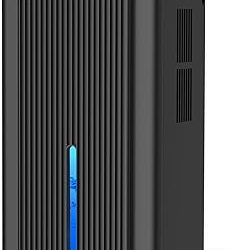
This high-capacity commercial unit is the heavy-duty choice for a very damp attic, unfinished upper floor, or whole-home moisture issue. Its integrated pump, drain connection, auto-defrost function, and Energy Star positioning make it particularly practical when emptying a bucket is unrealistic, although its size and airflow are excessive for a small finished attic.
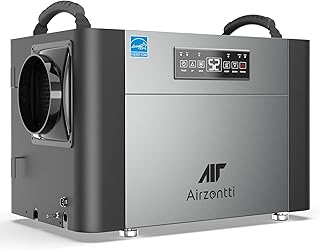
75-Pint Crawl Space Dehumidifier
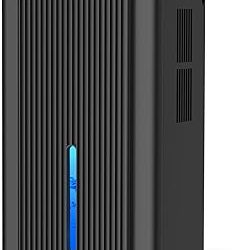
Designed for crawl spaces but well suited to large attics, this model offers a useful balance between commercial output and manageable installation. The pump, drain hose, 200-CFM airflow, and humidity control are valuable for spaces where moisture is persistent and gravity drainage is inconvenient.
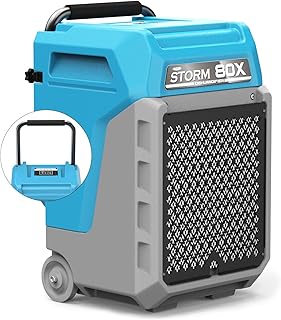
ALORAIR Storm 80X 170 PPD Dehumidifier
The ALORAIR Storm 80X is aimed at demanding restoration and industrial work, with LGR technology, wheels, a pump, and a long limited warranty. It is a strong pick for severe moisture or a large unconditioned attic, but DIY users should plan for substantial electrical demand, airflow, and noise compared with residential equipment.
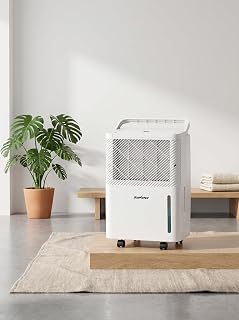
KNKA Energy Star 4500-Sq.-Ft. Dehumidifier
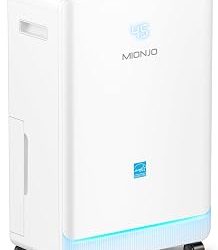
This KNKA model is a more approachable option for a finished attic or connected upper level where commercial equipment would be overkill. Its smart humidity control, sleep mode, drain-hose support, and advertised 80-pint maximum make it convenient, though the actual collection rate will vary with temperature and humidity.
Hisense 50-Pint Portable Dehumidifier
Hisense offers a familiar residential format for homeowners who need attic moisture control without moving into industrial equipment. The 50-pint capacity, quiet operation, energy-efficient design, and continuous-drain capability suit a moderately damp attic, garage, or large home; use a condensate pump if the drain point is above the appliance.
Frequently Asked Questions
What size dehumidifier is best for an attic?
There is no reliable answer based on square footage alone. A small, sealed finished attic may need a residential unit, while a leaky, uninsulated, or very damp space may require a commercial model with considerably more extraction capacity.
Should an attic dehumidifier drain continuously?
Yes, whenever possible. Continuous drainage prevents the collection bucket from filling and stopping the machine. Use the supplied hose with a downhill route, or add a condensate pump when the drain is higher than the unit.
Can a dehumidifier fix attic condensation?
It can reduce indoor moisture, but it cannot correct roof leaks, missing insulation, blocked soffit vents, or warm air leaking through the ceiling. Inspect and repair those causes before relying on mechanical drying.
What humidity should I set in an attic?
A target around 45% to 55% relative humidity is a sensible starting point. Use a separate hygrometer to check readings in several locations, then adjust the setting while watching for condensation, musty odors, or overly dry wood.
Final Thoughts
For serious moisture, the 75-pint crawl-space model is a practical commercial choice, while the ALORAIR Storm 80X is better suited to severe or restoration-level conditions. For a finished or moderately damp attic, the KNKA or Hisense offers a simpler residential setup; choose the largest capacity only when the space, drainage, and electrical supply can support it.